
Volan Fiberglass Surfboard Fins Explained — Why Classic Fins Still Use It

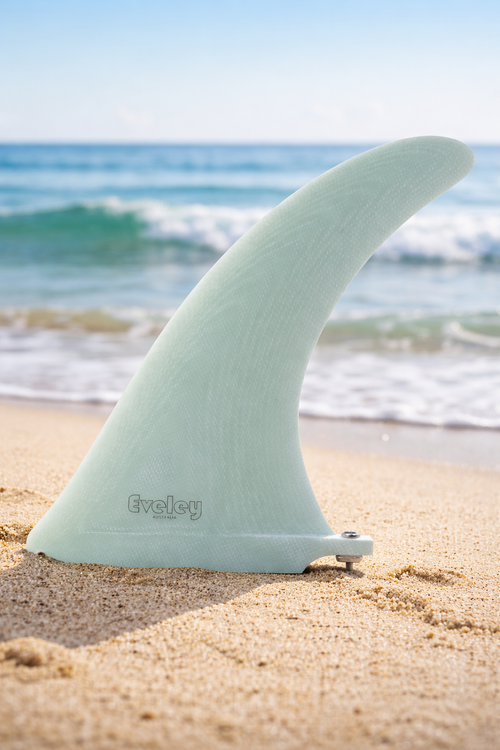

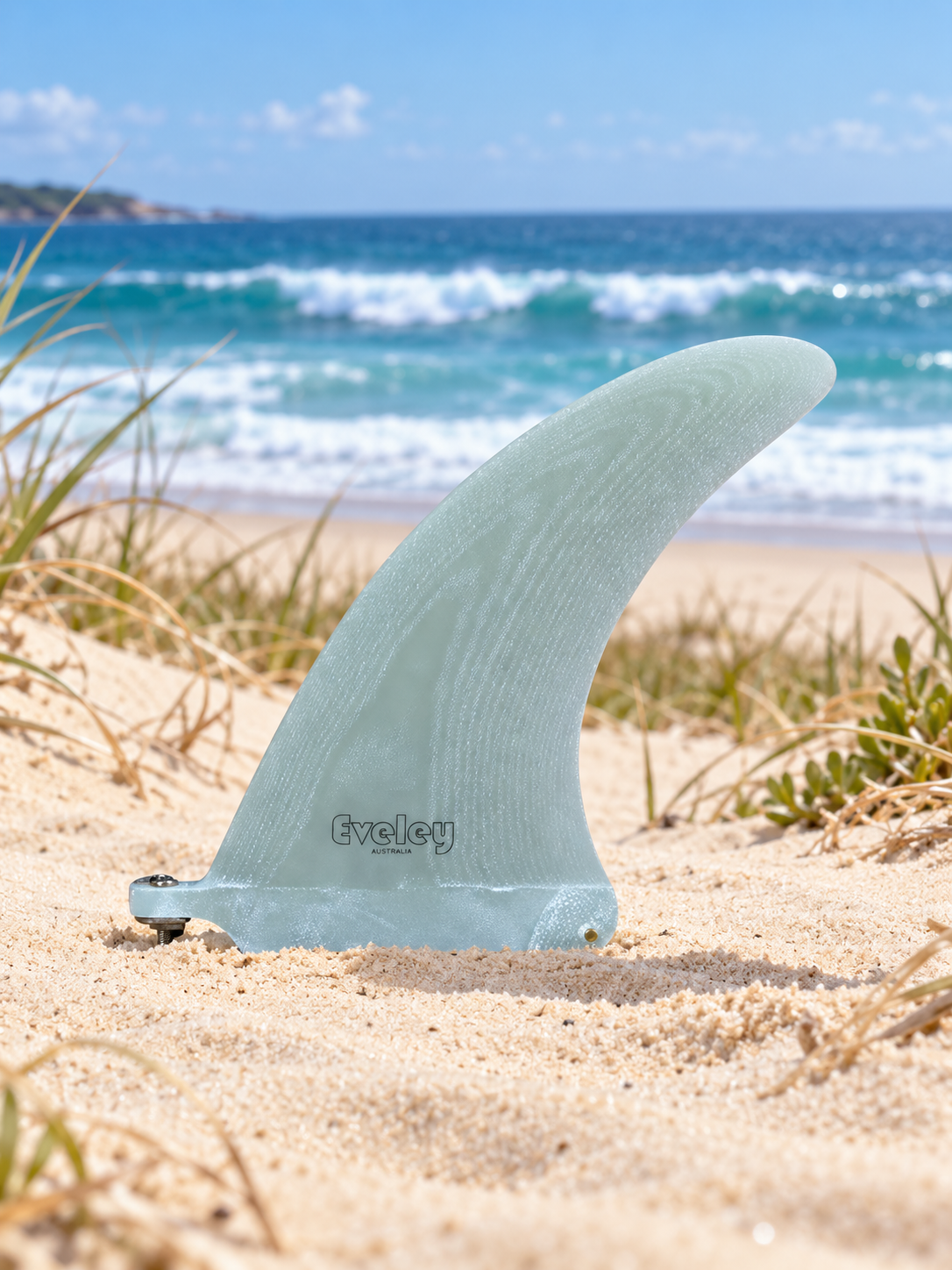
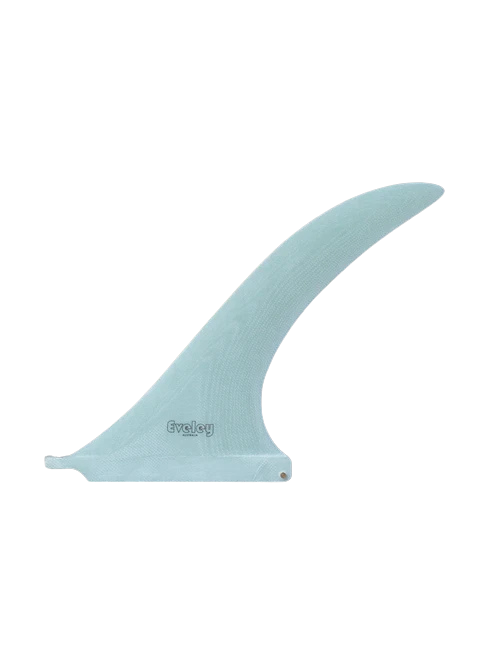
If you’ve ever seen a surfboard fin with a subtle green tint, you’ve probably seen Volan fiberglass.
Volan has been used in surfboard construction since the early fiberglass boards of the 1950s and 60s. Despite modern materials like honeycomb and carbon composites, Volan remains popular for classic longboard fins and traditional surfboard builds.
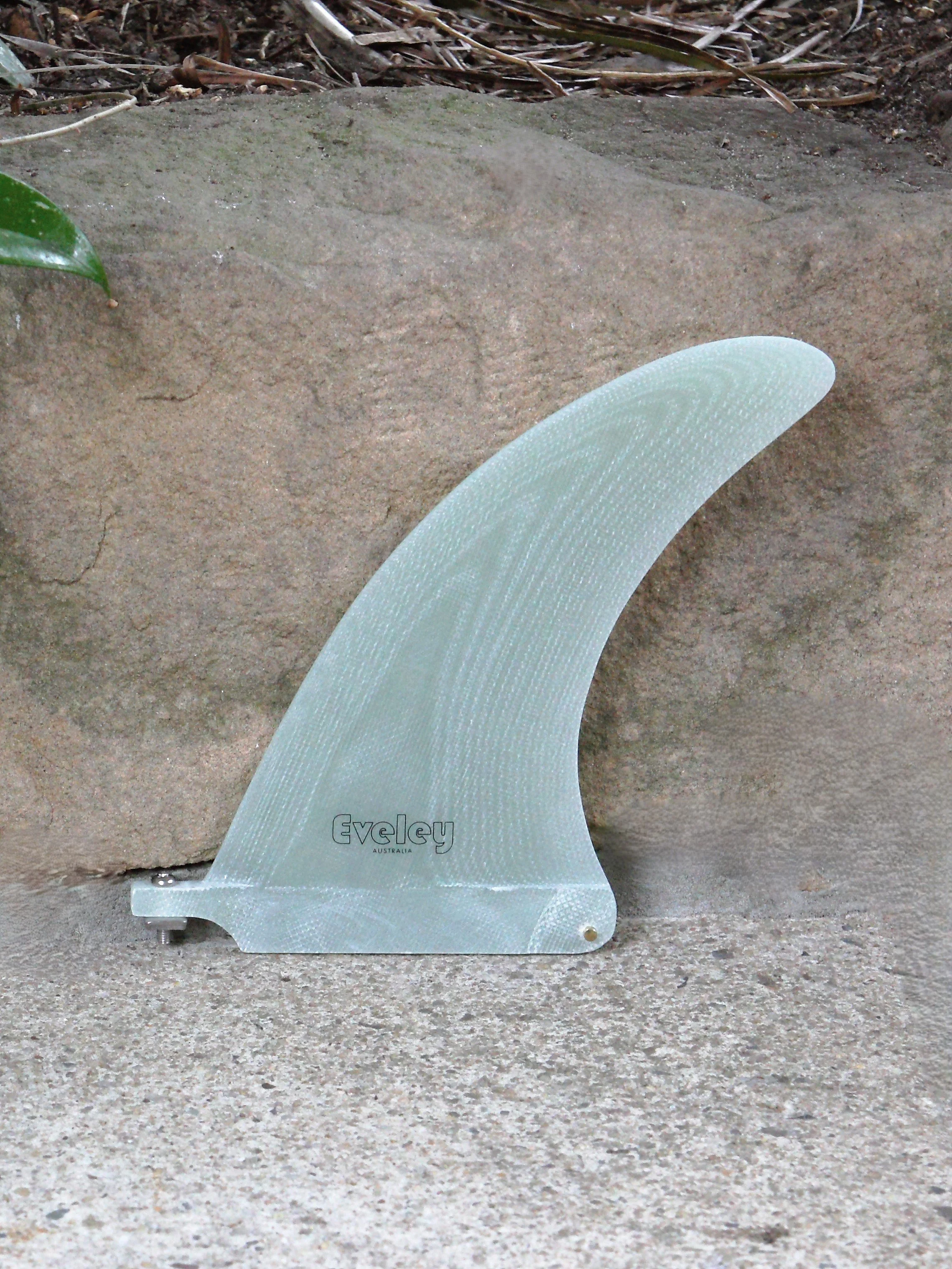
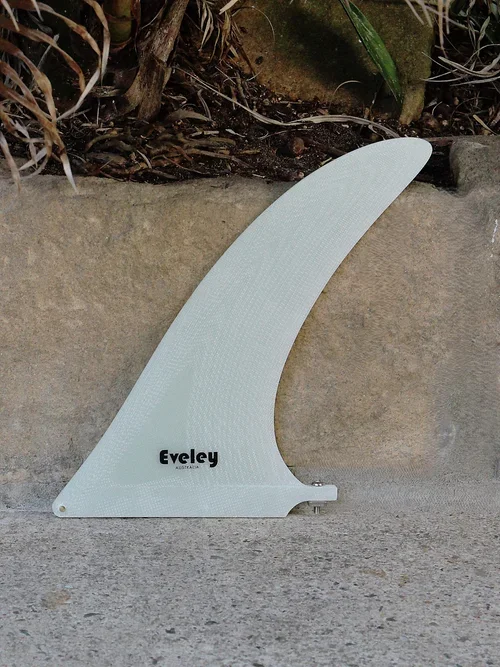
7.25" Classic Center Fin, volan Pro Glass.
Why?
Because Volan produces a strong, smooth-flexing laminate that many surfers believe delivers the most authentic feel in the water.
This guide explains:
what Volan fiberglass actually is
why it creates a green tint in fins
how it differs from modern Pro Glass construction
when Volan fins are the best choice
What Is Volan Fiberglass?
Volan is fiberglass cloth treated with a special chemical finish that improves bonding with polyester resin.
This treatment increases lamination strength and durability, making Volan ideal for applications where structural reliability matters.
Compared to standard fiberglass cloth, Volan:
absorbs more resin
produces a slightly heavier laminate
creates a smoother flex pattern
results in the classic green tint
Because of these properties, Volan was widely used during the early fiberglass surfboard era.
Today it is still used for traditional surfboard fins and classic longboard laminations.
Why Volan Fins Look Green
The distinctive green colour of Volan fins comes from the chemical finish applied to the fiberglass cloth.
When laminated with polyester resin, the cloth produces a natural green tint.
This is not added pigment.
It is simply the visual effect of the Volan treatment interacting with resin.
That’s why classic surfboards from the 1960s often have a greenish fibreglass appearance.
Volan Pro Glass vs Regular Pro Glass Surfboard Fins
Modern performance fins typically use Pro Glass fiberglass construction, which offers lighter weight and faster response.
Volan behaves differently.
Volan Fiberglass vs Regular Fiberglass Fins — What’s the Difference?
Weight
Volan Fiberglass is slightly heavier.
Regular Fiberglass is lighter.Flex Feel
VolanFiberglass has a smooth, dampened flex that feels stable through turns.
Regular Fiberglass feels faster and more responsive.Strength
VolanFiberglass is extremely durable and long-lasting.
Regular Fiberglass is also very strong and designed for performance surfing.Appearance
Volan Fiberglass has a distinctive green tint.
Regular Fiberglass is often clearer or tinted.Best Surfing Style
VolanFiberglass suits classic trimming and traditional longboard surfing.
Regular Fiberglass suits modern performance surfing where speed and quick response matter.
Because Regular Fiberglass Pro Glass is lighter and more responsive, it is widely used in thruster and quad performance fins.
Modern performance fins typically use Pro Glass fiberglass construction, which offers lighter weight and faster response.
To understand the differences between fin materials, read our guide:
→ Fiberglass vs Honeycomb Fins — Real Performance Differences
Why Longboard Fins Often Use Volan
Volan fiberglass is especially suited to longboard fins.
The heavier laminate produces a smooth flex pattern that suits traditional surfing styles, where stability and trim are more important than rapid response.
Many classic longboard templates are commonly produced in Volan, including:
pivot fins
D fins
4A-style fins
These designs emphasise:
smooth rail-to-rail flow
predictable trim speed
stable noseriding
For a deeper look at longboard fin setups, read:
Does Volan Improve Fin Performance?
Volan does not necessarily make a fin faster.
Instead, it changes how the fin flexes under load.
Volan fins typically feel:
smoother through turns
more stable at speed
less twitchy than lightweight fins
This is why surfers often describe Volan fins as having a “classic feel”.
Modern Pro Glass fins respond more quickly and feel more reactive under the feet.
When Volan Fins Are the Best Choice
Volan fins are ideal for:
traditional longboards
classic single-fin surfboards
log-style noseriders
surfers who prefer smooth carving turns
If you're setting up a classic single-fin board, templates like the 4A design remain extremely popular.
For example:
→ 10" International 4A Center Fin – Volan Pro Glass
This template delivers the balanced drive and pivot some longboard surfers prefer.
When Pro Glass Fins Are Better
Most modern surfboards benefit from Pro Glass construction.
Pro Glass fins provide:
faster flex response
lighter weight
stronger projection through turns
These characteristics suit performance surfing and shortboard designs.
If you ride thrusters or quads, see:
→ Thruster Fin Size Guide
→ Best Fins for Small Waves
These guides explain how fin size and templates affect speed, control and manoeuvrability.
Why Volan Is Still Popular
Despite advances in composite materials, Volan remains widely respected for three reasons:
Durability
Volan laminates are extremely robust and resist long-term fatigue.
Smooth Flex
The heavier cloth produces a stable, predictable flex pattern.
Classic Aesthetic
Many surfers love the traditional green tint associated with classic fiberglass boards.
For traditional longboard surfing, Volan continues to be one of the most trusted materials in surfboard fins.
Frequently Asked Questions
What is Volan fiberglass?
Volan fiberglass is fiberglass cloth treated with a special finish that improves bonding with polyester resin. It has been used in surfboard construction since the early fiberglass era.
Why are Volan fins green?
The green tint comes from the Volan treatment reacting with polyester resin during lamination. It is not added pigment.
Are Volan fins stronger than normal fiberglass?
Volan laminates are very durable, though they are slightly heavier than standard fiberglass constructions.
Are Volan fins better for longboards?
Yes. Many longboard surfers prefer Volan fins because they produce smooth, stable flex characteristics that suit traditional surfing styles.
Related Eveley Fin Guides
For more surfboard fin knowledge, explore:
→ Surfboard Fin Compatibility Explained
→ Complete Surfboard Fin Buyer’s Guide
→ Twin Fin vs Thruster — Speed vs Control
Delve deeper: Sliding Center Fin Box (US / Bahne Box) Guide Understand fin installation, adjustment, and how fin position changes surfboard performance.
Learn how twin keel surfboard fins work, why they generate incredible speed, and how to choose the right keel fins for fish boards and twin fin setups: Twin Keel Surfboard Fins Guide – Speed, Design & Fish Board Performance
These guides explain how fin templates, materials and sizes affect surfboard performance.
Eveley Volan Fins are supplied with a machined finish which allows the layers of fiberglass material to remain evident in the finished surfboard fin.