Futures Compatible Surfboard Fins Explained
Not sure which fins fit your board? Start with the Surfboard Fin Compatibility Explained guide to understand how different fin systems work.
The Tab is the part of the fin that goes in the fin box.
Futures fins tab depth: (Important)
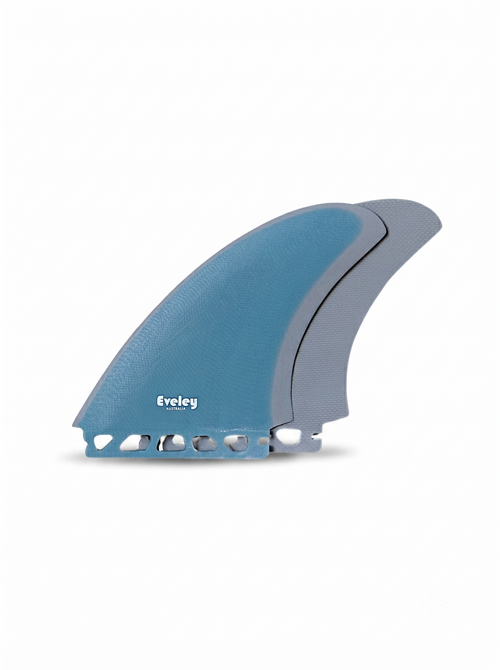
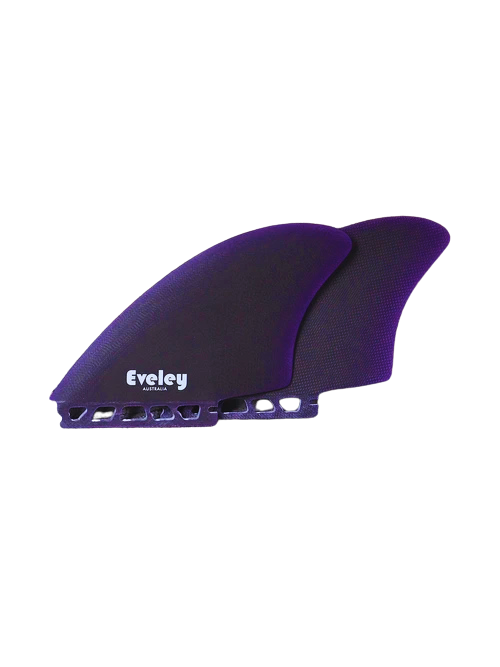
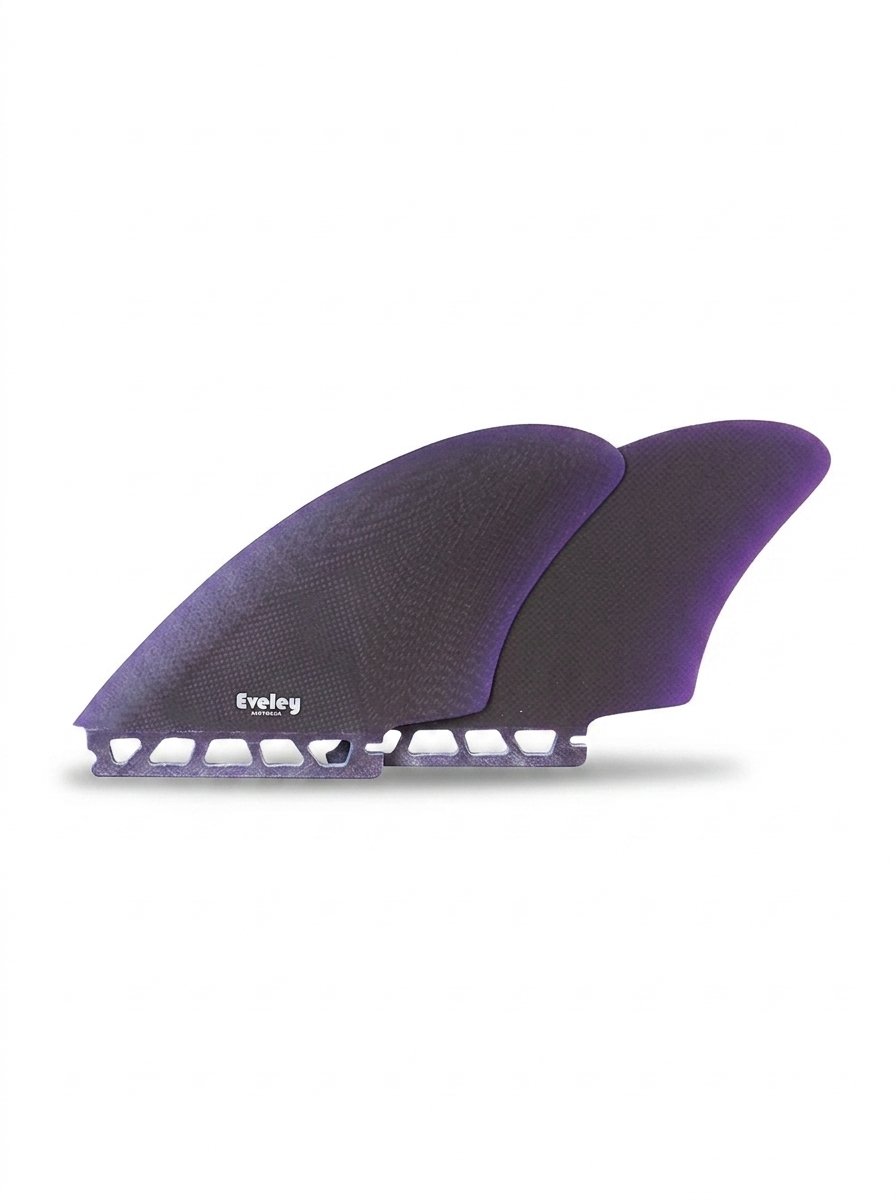
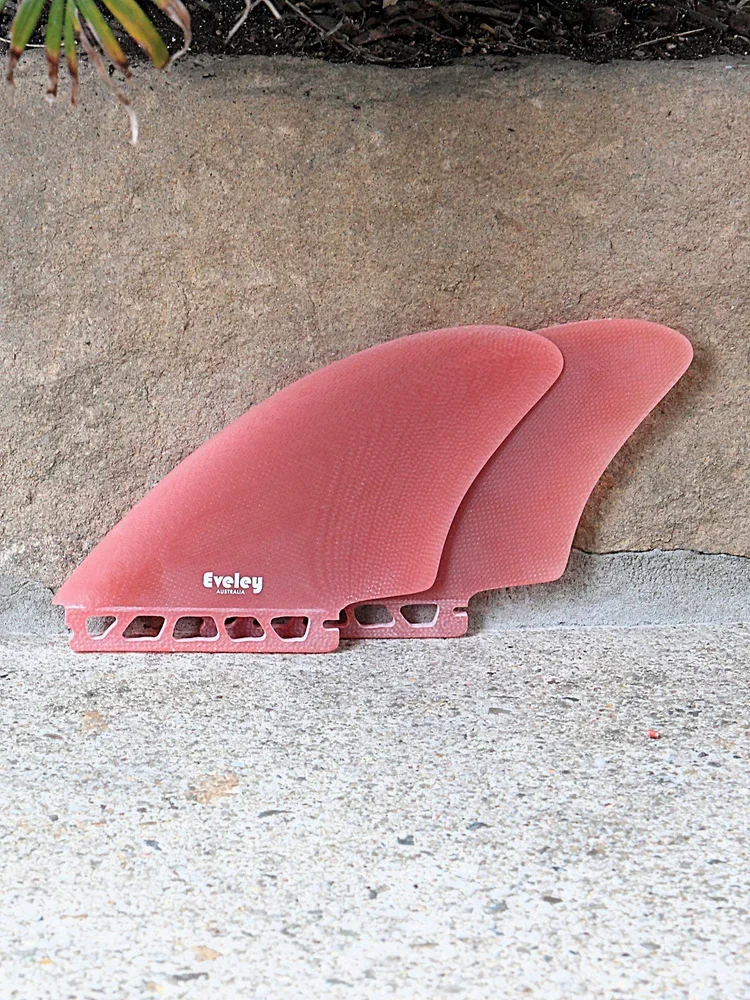
Futures compatible twin fins have 3/4” deep tabs.
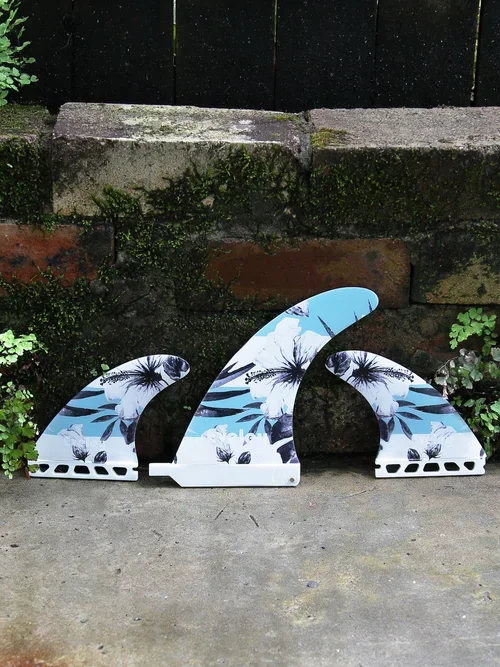
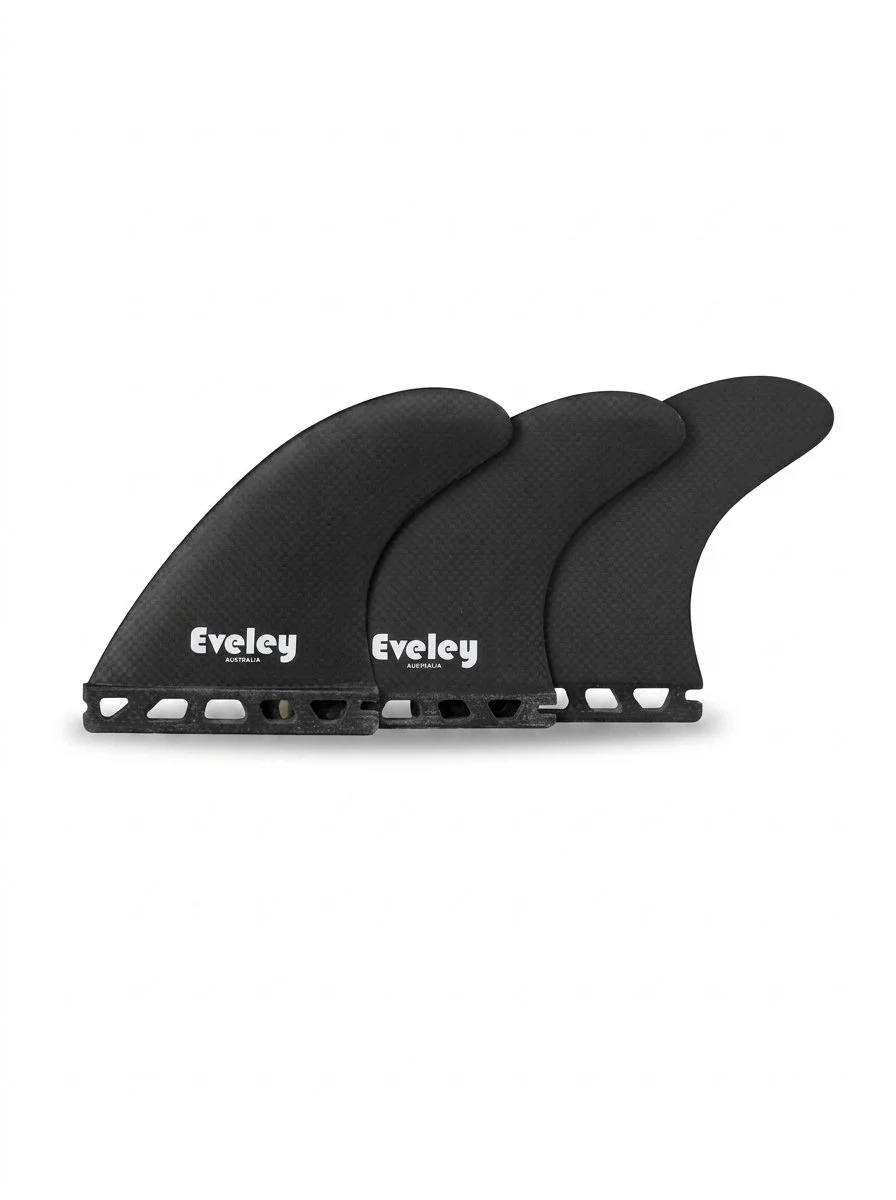
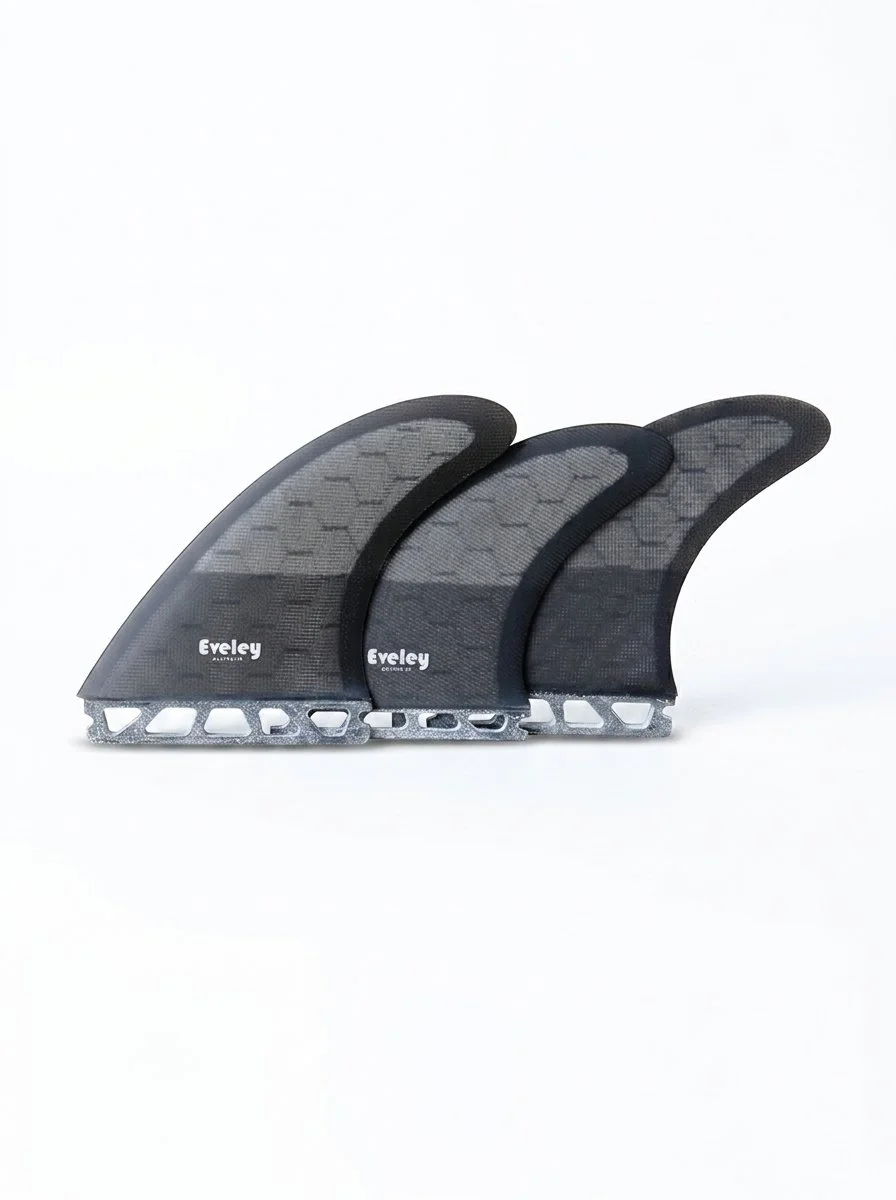
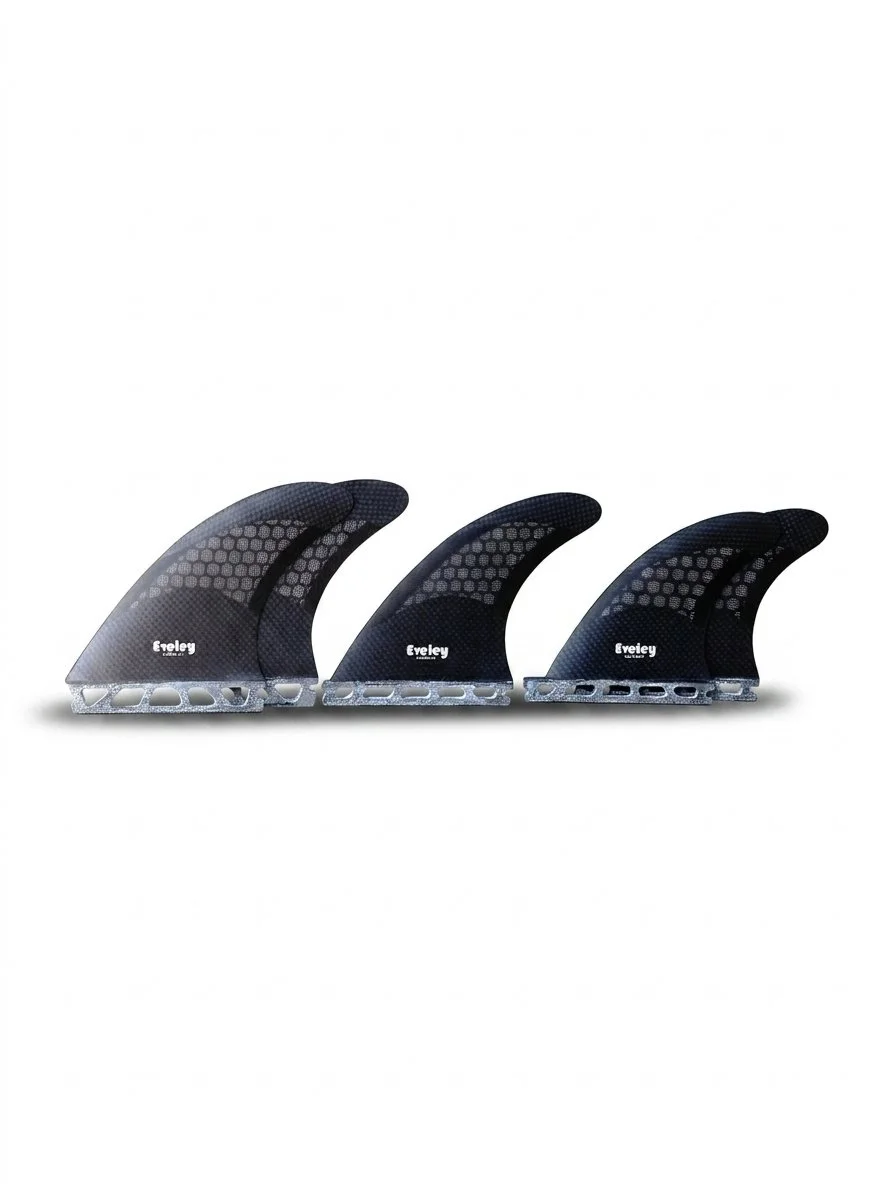
Futures compatible thruster fin sets have 3/4” deep tabs on side fins and 1/2” deep tabs on the centre fin.
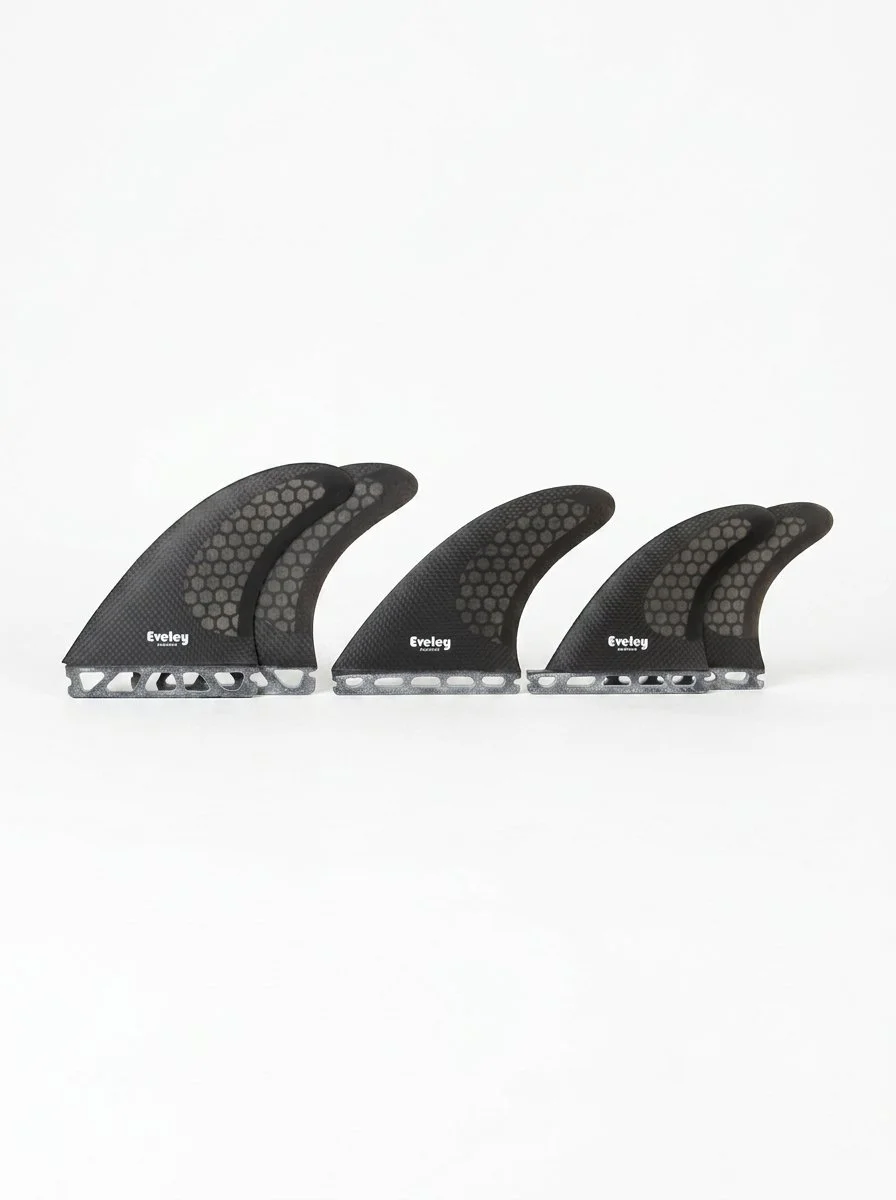
Futures compatible quad sets have 3/4” deep tabs on the front fins and 1/2" deep tabs on the rear fins.
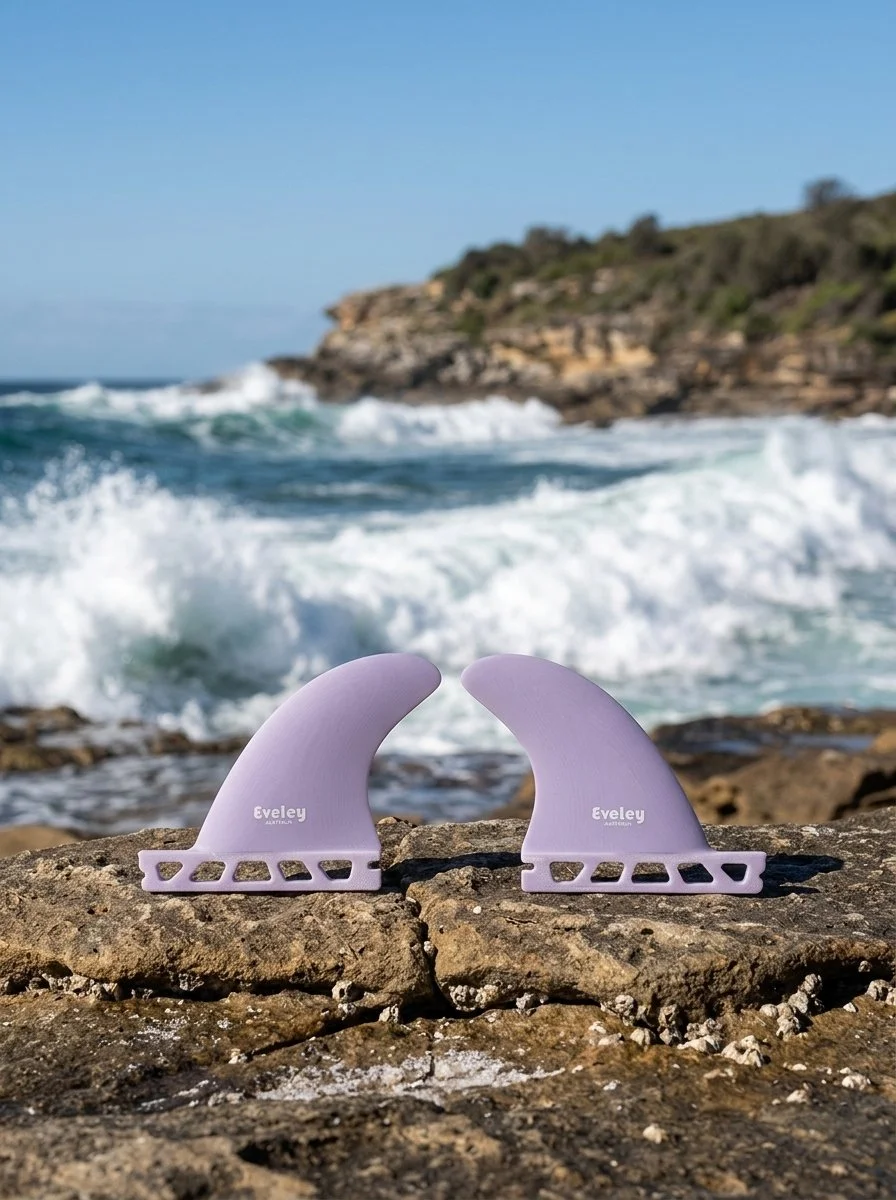
Futures compatible side fins (side bites) have 3/4” deep tabs.
Futures compatible center stabilizer fins have 1/2” deep tabs.
There are two different depth boxes which cover these options. The board builder will always use fin boxes which meet this criteria when making a board.
And now Futures have introduced a third box specifically for their Twinzer Canard fins. This box has a slot specification which will not accept other Futures fins.
Important take away: You often cannot mix and match Futures Compatible Fins into different positions in your board’s set up.
New to surfboard fins? Start with the complete Surfboard Fin Guides overview
The Cant of a fin is the outward angle of the fin in relation to the bottom of the board. A fin set up with zero cant (straight up and down) is faster in a straight line, but not very responsive through turns. The more cant the fin has (to a degree) the more responsive through turns. This helps keep drive up when the board is tilted and on rail. Greater cant angle helps generate lift making the board livelier.
0–3° cant angle: a smaller cant angle provides more speed and drive, making for a more controlled ride. This is good for navigating through larger waves.
5–9° cant angle: a greater cant angle allows for more responsive turns, making it good for dynamic surfing styles. This is good for smaller, crisper waves.
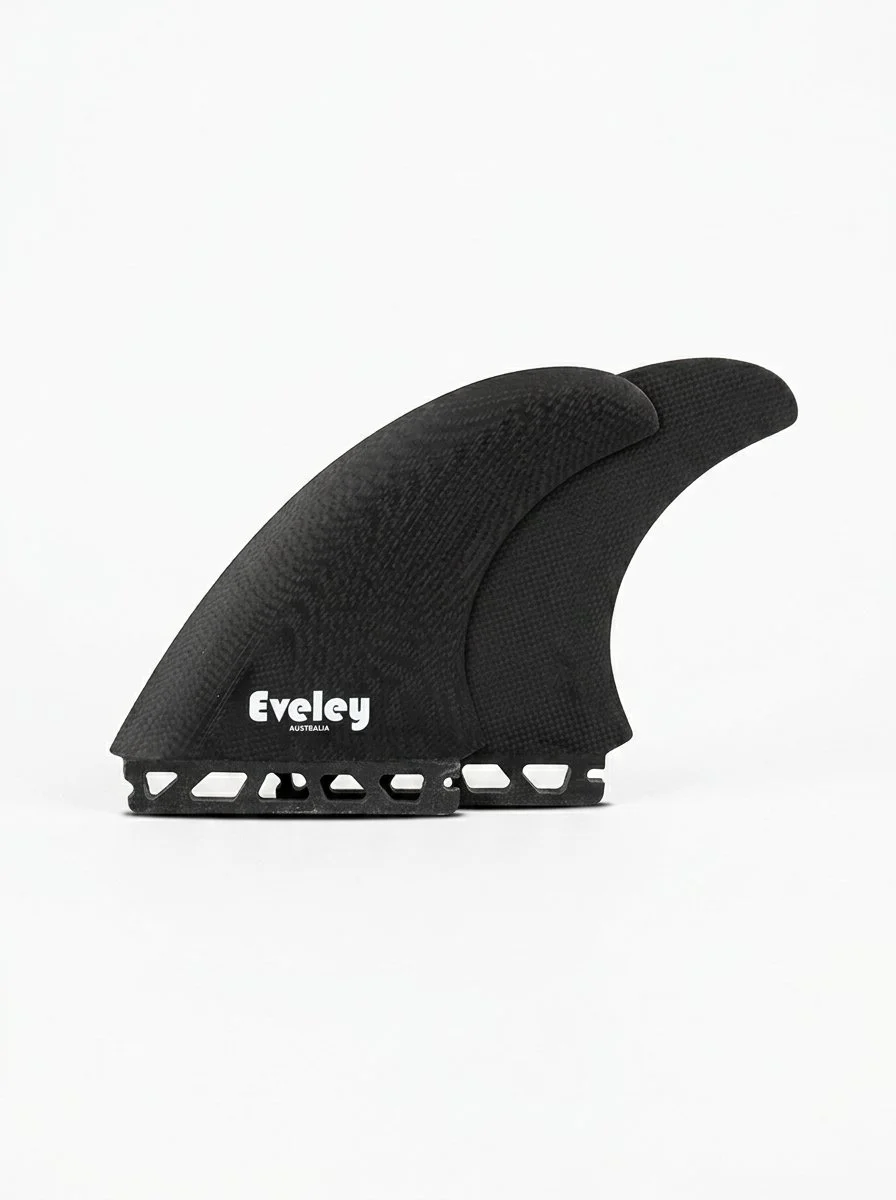
Futures compatible fin boxes have no cant angle built in, so it is built into the fins instead.
All that being said about the cant angle of the fin boxes, it is really determined by the board builder in how the boxes are set into the board. If it has concaves or channels the builder may offset the box to the bottom of the board to achieve a desired result. The only real way of knowing the cant angle on any given board is to fit the fins and measure the angle with the appropriate tool.
Fin boxes are bonded into surfboards by routing precise cavities into the surfboard foam, filling them with a specialized resin mixture, and setting the boxes in place, usually before the fiberglass lamination process. The process involves strong structural adhesives—typically polyester or epoxy resin mixed with fillers like Cabosil or microspheres to create a "thickened" peanut butter consistency—to ensure the box becomes an integrated, permanent part of the board.

The polyester or epoxy adhesive resin is mixed with a catalyst which makes the resin harden. This chemical reaction produces a lot of heat and often softens the plastic the fin boxes are made of.
Board builders are meant to fit dummy fins in the boxes at this stage to ensure the box does not distort so much that the fin’s tab cannot fit in the box properly, and also to check the correct cant angle.
However, some board builders rush through this stage and either skip it entirely, or use any fins available, rather than the correctly specified Futures product.
Unfortunately we have encountered new boards which have distorted fin boxes.
All Eveley Futures Compatible fins are tested for fit prior to dispatch, but we cannot control the methods used by other board makers.
Delve deeper with these Eveley Knowledge Hub Guides
How Small Stabiliser Fins Change Surfboard Performance | Twin vs Twin + Trailer Surfboard Fins Guide
Popular Futures Compatible Eveley Surfboard Fins
1.5" Mini Center Stabilizer Fin – Black Pro Glass | Futures Compatible
Futures™ is a registered trademark of Futures Fins. Eveley Surf is not affiliated with or endorsed by Futures Fins. All compatibility references are for descriptive purposes only.