
Twin Fin vs Thruster — Speed vs Control
New to surfboard fins? Start with the Beginner’s Guide to Surfboard Fins – Types, Sizes & Setups Explained for a simple introduction to fin types and sizing.
Which Setup Actually Suits Your Surfing?
Every surfer eventually asks it:
Should I ride a twin fin… or stick with a thruster?
The short answer?
Twin = speed, glide, flow
Thruster = control, predictability, vertical attack
But that’s only half the story.
The real difference lies in how water exits the tail — and how you generate drive.
New to surfboard fins? Start with the complete Surfboard Fin Guides overview.
Let’s break it down properly.
What Is a Twin Fin?
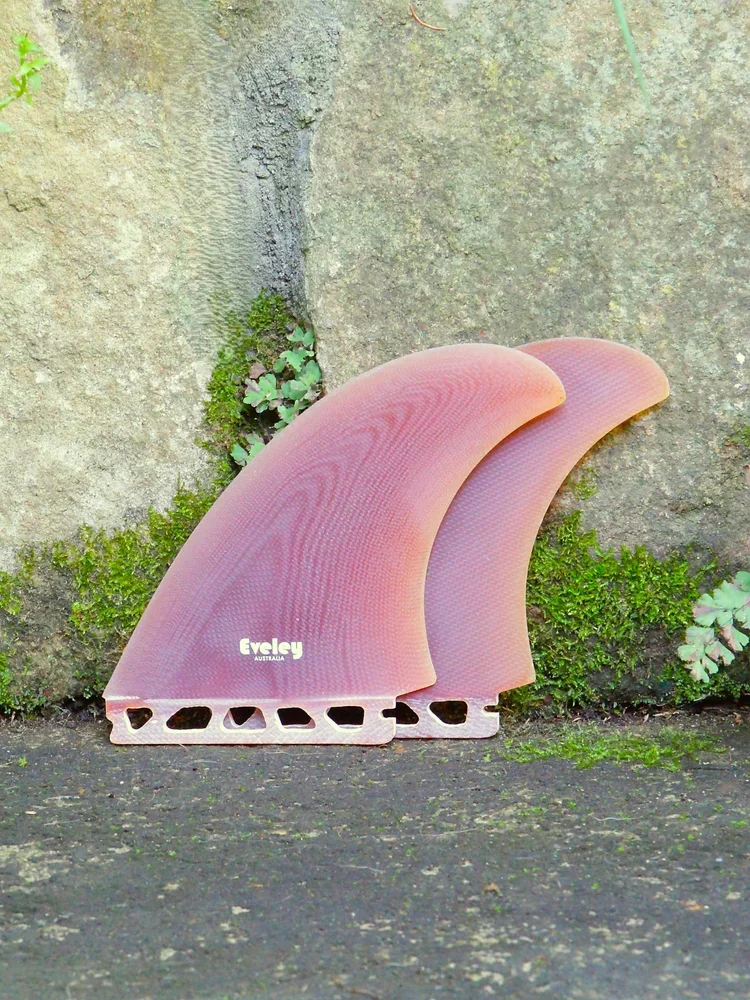
A twin fin setup uses:
• Two side fins
• No center fin
That missing center fin changes everything.
Without it:
Drag is reduced
Water exits cleaner
The tail releases faster
Speed builds earlier
If you want maximum glide, start with a performance-balanced twin like:
👉5.5" Power Twin Fins – Pro Glass
Or for classic fish drive:
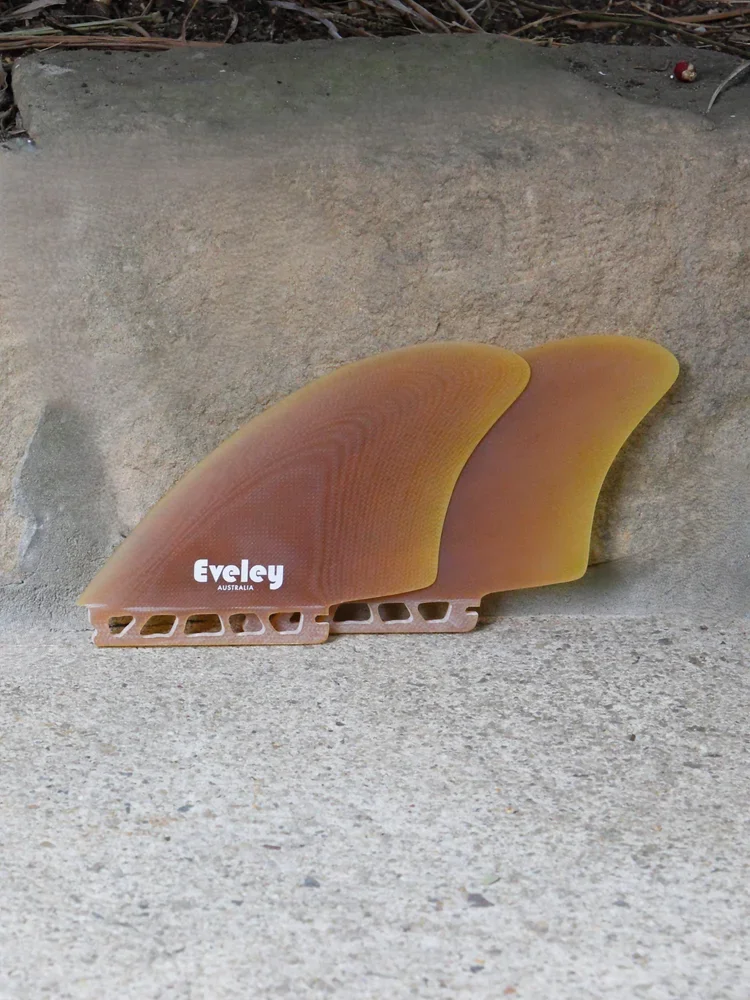
Twins reward smooth rail surfing.
They don’t like hesitation.
What Is a Thruster?
A thruster uses:
• Two side fins
• One centre fin
The centre fin acts as a pivot point.
It stabilises the tail.
It adds control.
It makes vertical surfing easier.
A balanced template like:
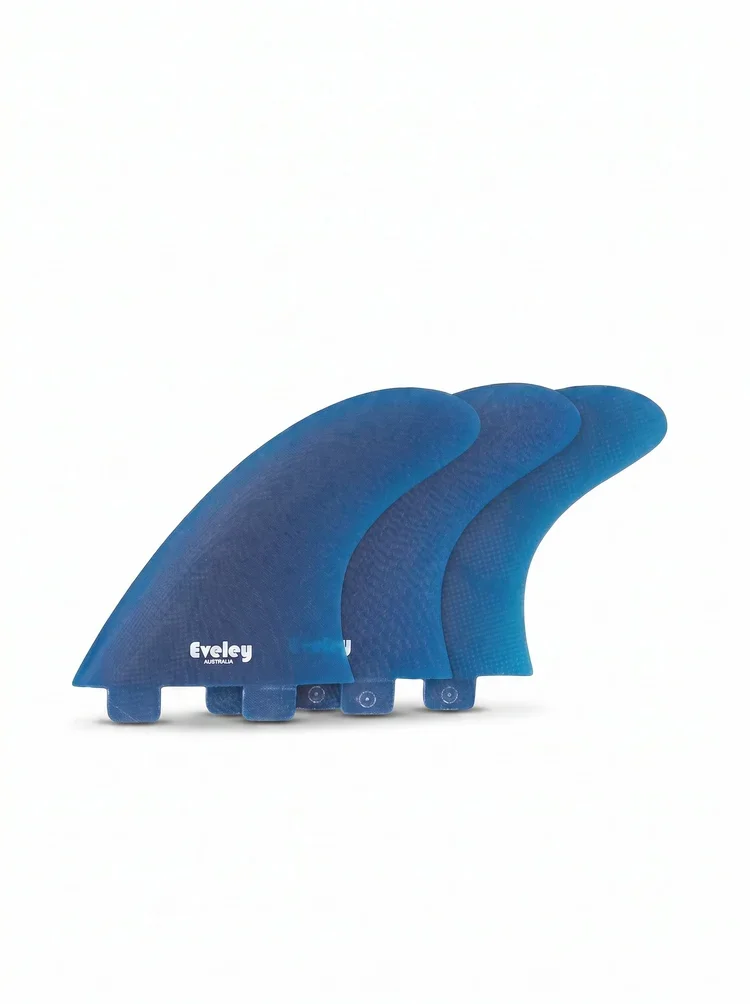
is designed for predictability in pocket surfing and punchy beach breaks.
Why Twin Fins Feel Faster
Three reasons:
1️⃣ Reduced Drag
No center fin = less turbulence.
2️⃣ Earlier Acceleration
Twins generate speed high on the face quickly.
3️⃣ Rail-Based Drive
Speed comes from engaged rail, not tail pivot.
Twins feel alive.
They encourage flow.
Why Thrusters Feel More Controlled
The centre fin:
Prevents over-rotation
Adds hold at high load
Stabilises tight pocket turns
Makes recovery easier
If your style is vertical, tight, and aggressive — thrusters offer forgiveness.
Speed vs Control in Real Waves
Small, Clean Waves
Twin advantage.
They generate speed where thrusters feel sticky.
Punchy Beach Breaks
Thruster advantage.
Control matters in shifting peaks.
Long Point Break Walls
Twin advantage.
Drawn-out arcs feel effortless.
Heavy Hollow Surf
Thruster advantage.
Centre fin adds stability under pressure.
Twin vs Thruster Turning Feel
TwinThrusterDrawn-out arcsTight pivot turnsRail-drivenTail pivot-drivenFlow surfingAttack surfingGlide focusControl focus
If you like carving lines → twin.
If you like hitting lips vertically → thruster.
The Hidden Middle Ground: Twinzer
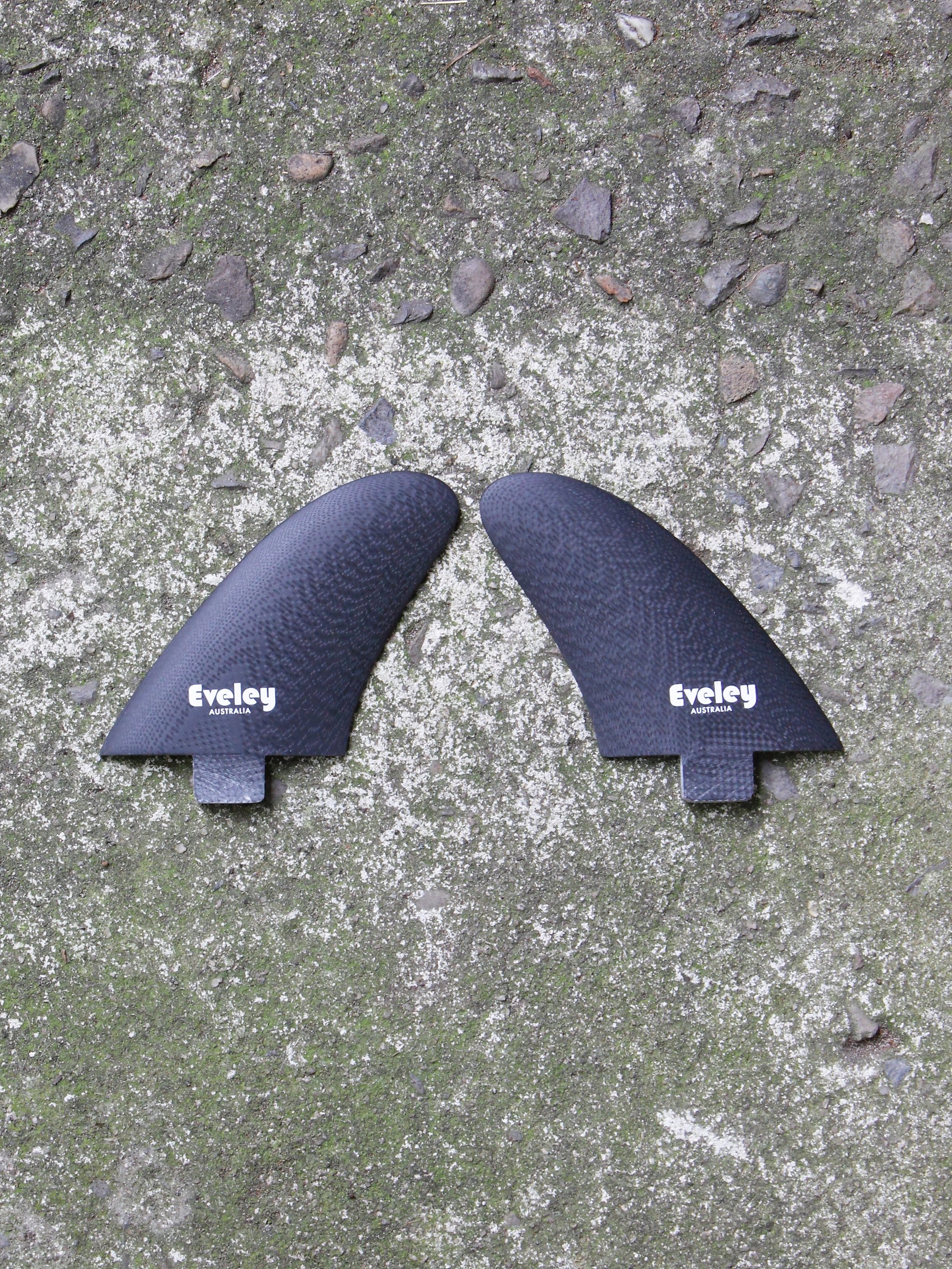
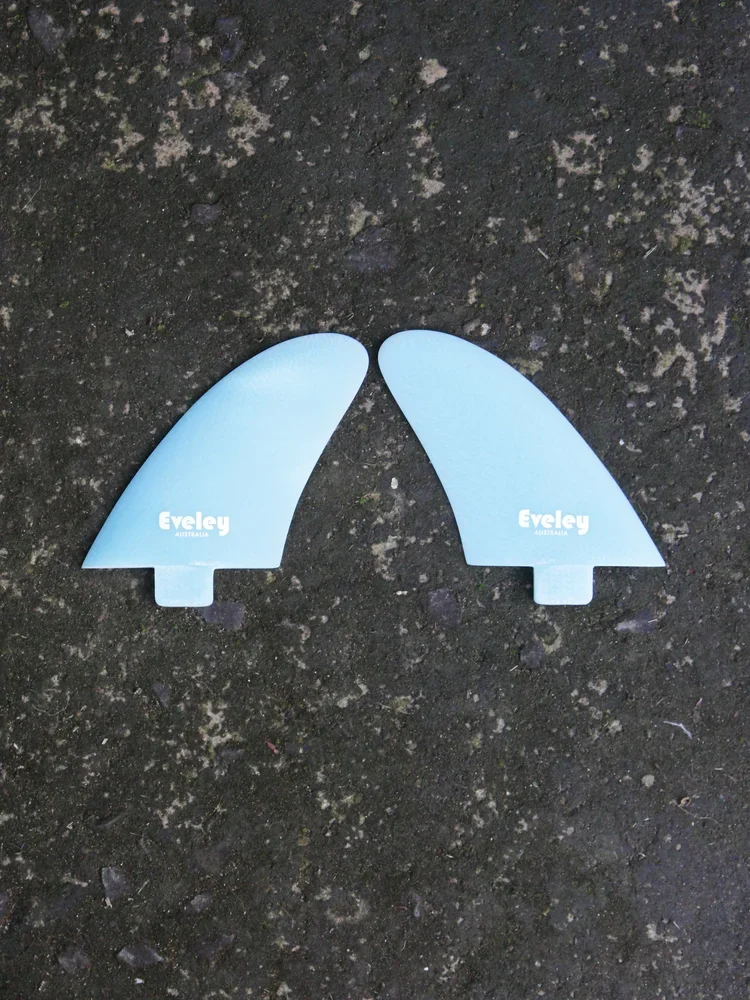
Love twin speed but want more hold?
A Twinzer setup adds small forward canards to improve water flow and control.
Start with:
👉 3.25" Twinzer Canard Fins – Natural Pro Glass (FCS Compatible)
Twinzer gives you twin freedom with added projection.
It sits between twin and quad in feel.
Who Should Ride a Twin?
✔ Surfers prioritising speed
✔ Flow-style riders
✔ Fish board owners
✔ Intermediate surfers building rail control
✔ Clean point break surfers
Who Should Ride a Thruster?
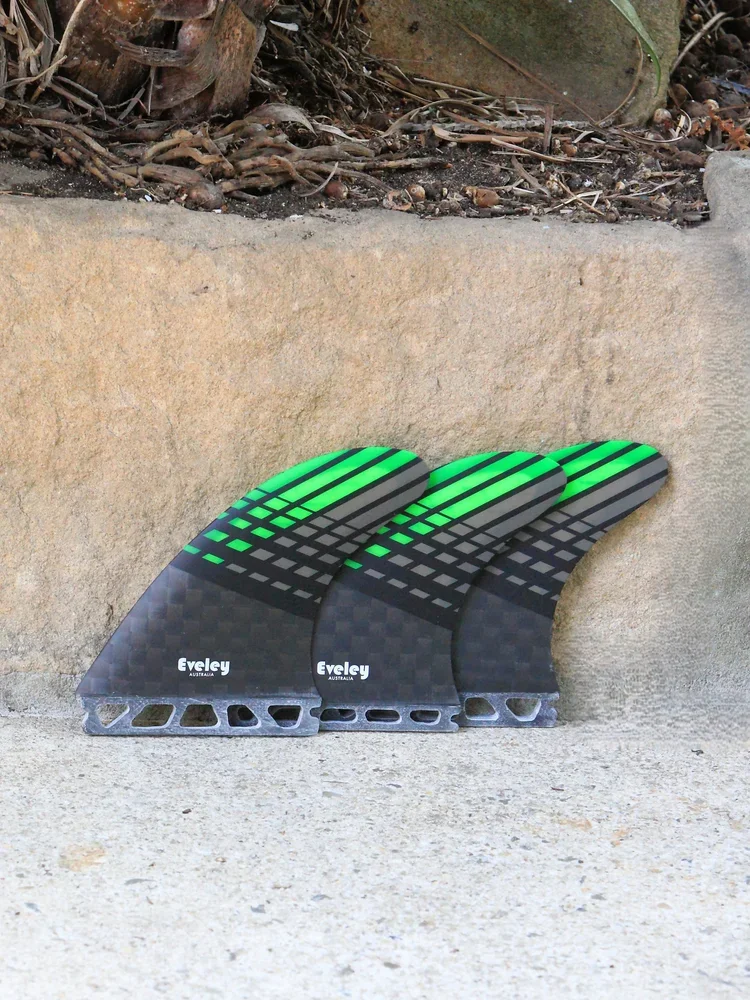
✔ Vertical pocket surfers
✔ Competition-style riders
✔ Heavy beach break regulars
✔ Surfers wanting predictability
Designed for Australian Conditions
Australian waves demand adaptability.
Beach breaks require control.
Points reward speed.
That’s why many surfers own both.
Twins for clean days.
Thrusters for power days.
Common Myths
Myth: Twins can’t turn vertically.
→ Incorrect. Template and technique matter.
Myth: Thrusters are slower.
→ Not necessarily — they just generate speed differently.
Myth: Twins are only for retro boards.
→ Modern performance twins are highly refined.
How to Choose
Ask yourself:
Do I want:
Immediate speed and glide? → Twin
Predictable control under pressure? → Thruster
If unsure, start with:
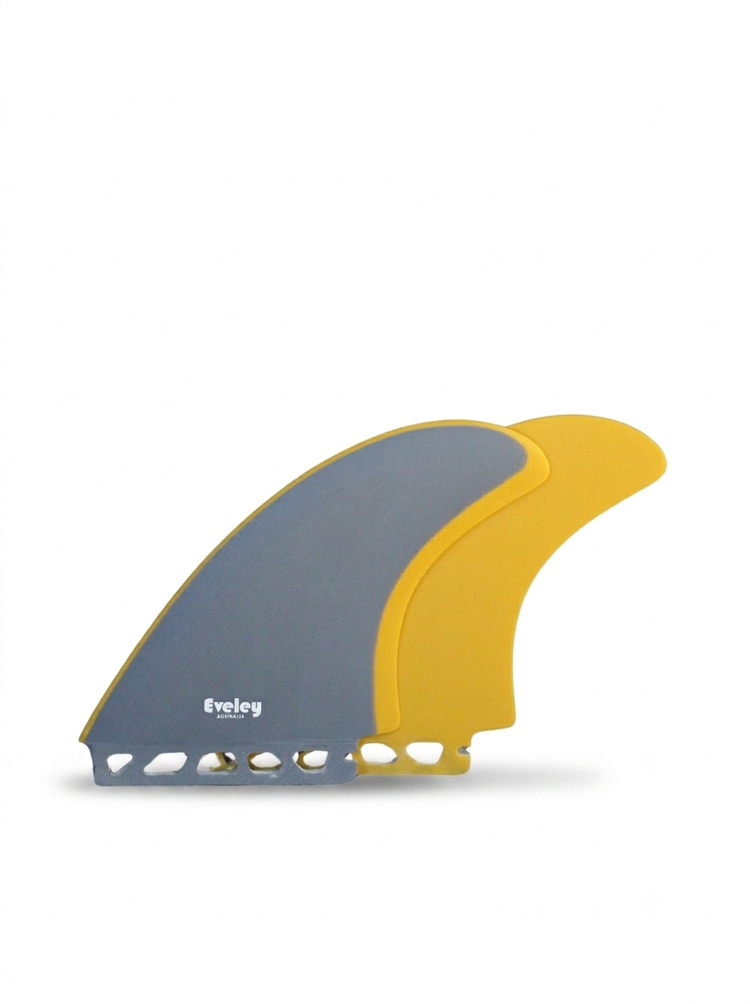
👉 5.5" EN Twin Fins – Futures compatible grey on mustard Pro Glass (2 fins)
or
👉 4.5" Classic Thruster Fins
Test both.
Your style will decide.
Final Takeaway
This isn’t about which setup is “better.”
It’s about which suits:
Your waves
Your board
Your approach
Twin = freedom and flow.
Thruster = structure and control.
Choose the tool that amplifies your style.
Futures™ is a registered trademark of Futures Fins. Eveley Surf is not affiliated with or endorsed by Futures Fins. All compatibility references to Futures Fins are for descriptive purposes only.
FCS™ and FCSII™ are registered trademarks of Surf Hardware International Pty Ltd. Eveley Surf is not affiliated with or endorsed by Surf Hardware International Pty Ltd. All compatibility references to FCS and FCSII are for descriptive purposes only.