
Dynamic Center Fins: Choose the Right Size for Drive and Control
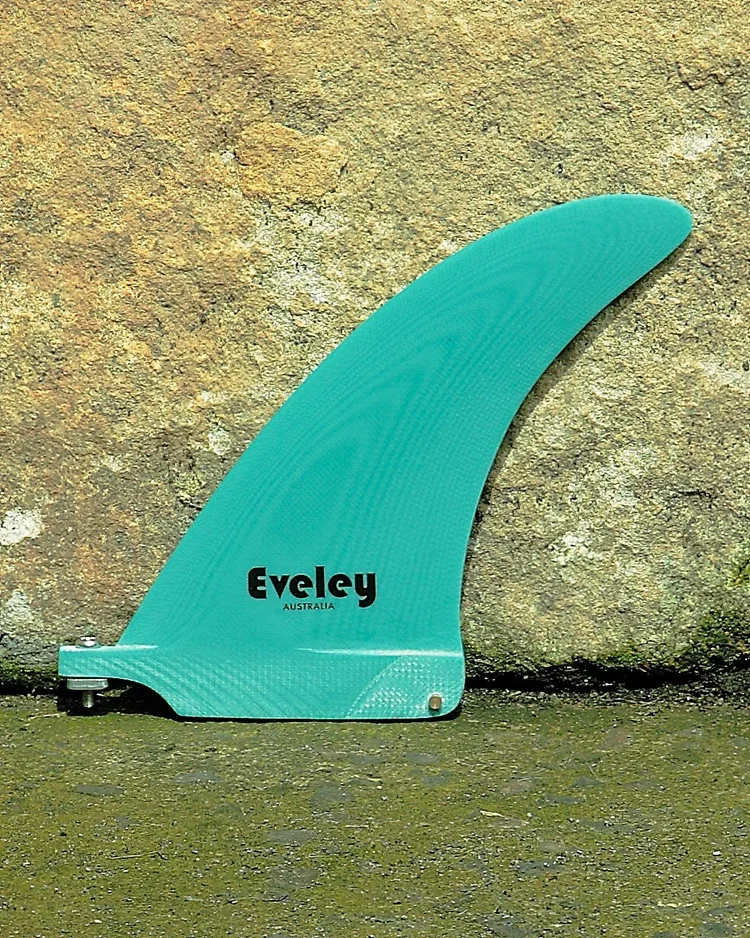
Dynamic center fins are Eveley surfboard fins designed around generous surface area for drive and hold, with an upright template that supports manoeuvrability. Choose the size to suit your board and complete fin setup, then fine-tune placement to balance turning freedom with control.
Dynamic center fins offer a practical way to tune how your board holds a line and responds through turns. For surfers comparing surfboard fins, the important decision is how the template, size and construction work together on the board being ridden.
A compact center fin supporting side fins has a different job from a larger fin carrying more of the setup’s directional control. Understanding that difference helps you choose a Dynamic fin with a clear purpose.
Who Are Dynamic Center Fins For?
Dynamic center fins are worth considering when you want a combination of hold, drive and responsive turning from a compatible mid-length or longboard setup.

For a compact center option: consider a 4-inch Dynamic where the board is designed to use a small center fin alongside appropriately sized side fins.
For a larger Dynamic option: compare the 6-inch model against your existing fin and the board maker’s recommended setup.
For a traditional single-fin longboard or dedicated noserider: establish the required depth and area first. A compact Dynamic is not a direct substitute for a full-size logging fin.
Start with the complete fin arrangement, then choose the center fin.
What Are Dynamic Center Fins?
Dynamic is an Eveley fin template family. The name describes the design; it does not mean the fin moves or adjusts automatically while surfing.
Eveley describes the Dynamic template as combining substantial surface area for drive and control with an upright rake that retains manoeuvrability. The featured Pro Glass models use solid fibreglass construction and a machined finish.
Three details deserve attention when comparing these center fins:
Design featureWhat it means for selectionSurface areaHelps determine how much support the fin contributes when the board is loaded through a turn. Depth alone does not describe this.Upright rakePlaces less of the outline behind the base than a heavily swept template, generally supporting a more pivot-oriented response when other factors are comparable.Fin depthChanges how far the fin extends below the board and must suit the board, rider and other fins in the setup.
The result depends on the whole combination. A broad 4-inch fin and a deeper 6-inch fin should not be treated as interchangeable simply because both carry the Dynamic name.
How Dynamic Surfboard Fins Influence Performance
Drive and hold through turns
A fin provides resistance against sideways movement as the board changes direction. Dynamic’s generous area is intended to give the surfer support when applying pressure through the tail.
That support can help a suitable setup feel more connected through a bottom turn or cutback. Adding area does not automatically increase speed, however. Too much fin for the board or conditions can make turning feel restricted.
Manoeuvrability and direction changes
An upright template is useful to compare when turning response is a priority. Against a similarly sized, more swept outline, it may encourage a tighter, more pivoting feel.
Rake is only one influence. Base length, depth, foil, flex, placement and the board’s rails all contribute to how a turn develops.
Control without unnecessary fin area
The aim is enough support for confident surfing while preserving the board’s ability to change direction. If the tail releases too easily under pressure, review the total setup. If the board feels reluctant to turn, check placement before making a large change in size.
Choosing Between 4-Inch and 6-Inch Dynamic Center Fins
The following products illustrate two different sizing choices in the Dynamic range.
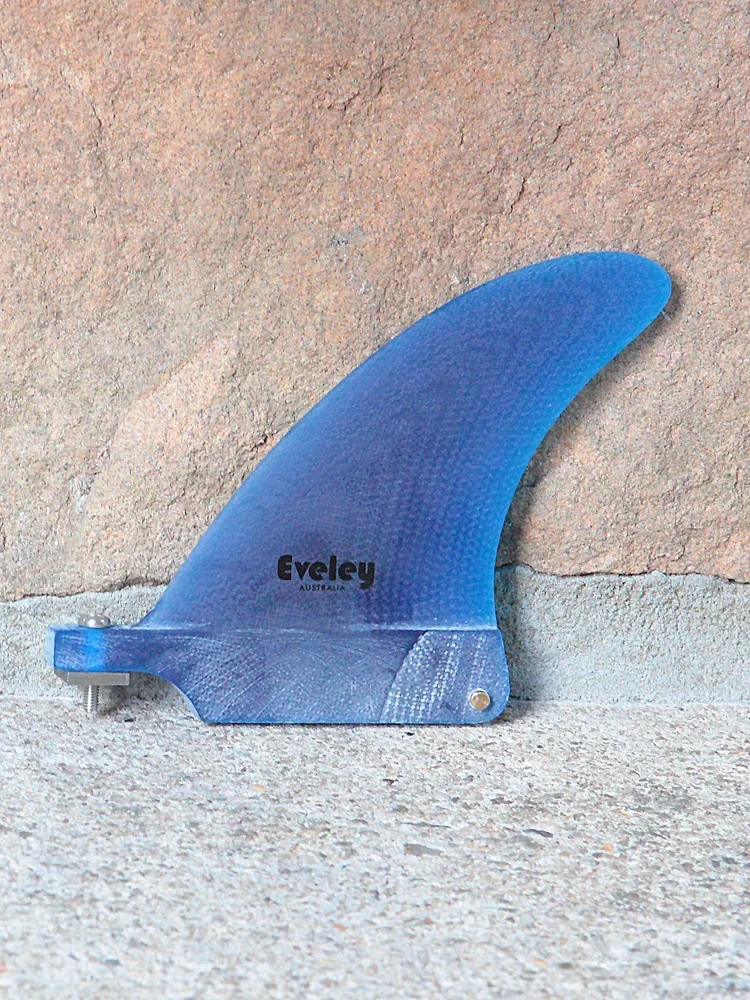
4-inch Dynamic Center Fin — Creamy Green Pro Glass
Size: 4 inches deep with a 4-inch base.
Material: Solid Pro Glass fibreglass with a machined finish.
Included: Fin screw and plate.
Use: A small center fin for boards designed to use side fins alongside it. Check your board’s recommended fin size before choosing.
6-inch Dynamic Center Fin — Solid Teal Pro Glass
Size: 6 inches deep with a 4.45-inch base.
Material: Pro Glass fibreglass with a machined finish.
Included: Fin screw and plate.
Use: A larger option for suitable mid-lengths and longboards. Check your board’s recommended fin size and whether the setup requires side fins.
These dimensions describe individual products. They do not establish a universal rider-weight or board-length prescription.
Before choosing, compare your current fin’s depth and outline, the board’s tail width, your preferred surfing style and any side fins. For a broader sizing framework, read how to choose the right longboard center fin size.
Single Fin or Side-Fin-Supported Setup?
Using a Dynamic as the only fin
In a single-fin arrangement, the center fin carries the fin system’s entire contribution to directional control. Choose sufficient depth and area for the board and the way it will be surfed.
The 6-inch Dynamic may be a candidate where the board maker recommends that size and style of fin. Its listing for mid-lengths and longboards should not be read as a guarantee that it suits every board in those categories.
Using a Dynamic with side fins
Side fins share the work of providing hold and turning support. This can allow a smaller center fin, but the balance depends on the size, placement and design of all three fins.
A 4-inch Dynamic belongs in this decision as a compact option for an appropriate board. Check whether the board is designed around a dominant center fin with small side bites or a smaller center with more substantial side fins. Those arrangements can feel quite different.
For help choosing the overall configuration, see single fin vs 2+1 longboard setups.
Dynamic vs Other Center Fin Templates
Use this comparison to narrow the style of fin worth testing. These are general design tendencies; individual dimensions and construction still matter.
Template approachTypical reason to consider itWhat to compare carefullyDynamic’s upright, generous-area approachSupport through turns with a responsive change of directionDepth, area and balance with any side finsMore swept templateA preference for flowing, drawn-out arcsActual rake, base length and overall sizeLarger noserider-oriented templateGreater emphasis on stability while trimming and cross-steppingBoard design, depth, area and intended noseriding useSlender flex-oriented templateA preference for a more flexible fin responseMaterial, thickness, tip shape and flex distribution
Choose the template around the movement you want from the board, then choose the size that supports it.
Why Pro Glass Construction Matters
Eveley Pro Glass fins use laminated fibreglass and resin. The featured Dynamic products pair that construction with a machined finish.
Construction affects how a fin responds under load, but “fibreglass” alone does not specify an exact flex rating. Thickness, foil, outline and laminate design also contribute. Compare the complete fin rather than assuming that every Pro Glass model feels identical.
Explore the material in more detail in what Pro Glass is and why surfers prefer it.
Compatibility and Center Fin Placement
The featured Dynamic products include a screw and plate. Check your board’s center box and the product’s fitting details before ordering. Center-box compatibility must be assessed separately from the fittings used by any side fins.
The sliding center fin box guide explains the system and how adjustment works.
Once the correct fin is fitted securely, start near the middle of the available adjustment range, unless the board maker recommends otherwise.
Move the center fin slightly forward: The board will generally turn more easily, but may feel less steady when holding a straight line.
Move the center fin slightly back: The board will generally feel more stable, but require more effort to turn.
Start with the fin near the middle: This gives you a starting point. Make small adjustments forward or back to find the feel you prefer.
Test adjustments in small steps of around 5–10 mm. Keep the other fins unchanged and compare several waves in similar conditions. Secure the fin again after each adjustment.
For the complete tuning process, read longboard fin placement explained.
Which Boards and Waves Suit Dynamic Center Fins?
The Dynamic design is worth evaluating on compatible mid-lengths and longboards when active turning is part of the goal. Its appeal is the combination of area for support and an upright outline for manoeuvrability.
In everyday beach breaks, consider how readily the board changes direction without losing hold through a loaded turn. On longer-running waves, assess whether the setup preserves the flow you want between manoeuvres.
For traditional logging and extended noseriding, give greater priority to the depth, area and stability required by that board. For powerful surf, base the decision on a proven setup rather than assuming that a smaller fin will be faster or easier to control.
Common Mistakes When Choosing Center Fins
Choosing by depth alone. Compare the outline and base as well as the size printed on the fin.
Treating a compact center as a full-size longboard single fin. Establish its role within the complete setup.
Ignoring side-fin size. The center and side fins must work as a combination.
Changing several variables at once. Test placement before replacing multiple surfboard fins.
Choosing colour before fit. Confirm compatibility and dimensions, then select the finish.
Dynamic Center Fins: Frequently Asked Questions
What makes Dynamic center fins different?
Eveley describes the Dynamic template as combining generous surface area for drive and control with an upright rake for maneuverability. The selected size and complete fin arrangement determine how those design features feel underfoot.
Is a 4-inch Dynamic suitable as a longboard single fin?
A 4-inch fin should not be the default choice for a conventional single-fin longboard. Assess it as a compact center option for a board designed around side-fin support, and follow the board maker’s sizing guidance.
Is the 6-inch Dynamic suitable for a mid-length?
Eveley lists the 6-inch Dynamic for mid-lengths and longboards. Suitability still depends on the board’s design, rider, conditions and whether side fins are fitted. Compare it with the board’s recommended setup before selecting it.
Do Dynamic center fins fit every surfboard?
No. Check the board’s center-box system, available adjustment space and required fin size. The two featured products include screw-and-plate hardware; side-fin box fittings are a separate compatibility question.
Will a smaller center fin make a board faster?
Not necessarily. A smaller fin changes the balance of resistance and hold. If the setup loses support or becomes harder to control, reducing size may not improve usable speed.
Should the center fin sit forward or back?
Start from a sensible middle position or the board maker’s recommendation. Move slightly forward to assess a looser feel, or slightly back to assess greater stability. Make one change at a time.
Eveley Knowledge Hub
For the broader relationship between fin types, sizing, materials and compatibility, explore the Eveley surfboard fins buyer’s guide. Use the linked setup and sizing guides above to refine the choice for your board.
Final Takeaway: Match the Dynamic to the Job
Dynamic center fins offer an upright, generous-area design for surfers seeking support through turns and responsive direction changes. The strongest starting point is a clear understanding of the board and the role of its center fin.
Compare the compact 4-inch and larger 6-inch options, confirm compatibility, then use placement to fine-tune the result.
Explore Eveley center fins and compare the right size for your setup.