
Single Fin vs 2+1 Longboard Setup — Which Should You Choose?
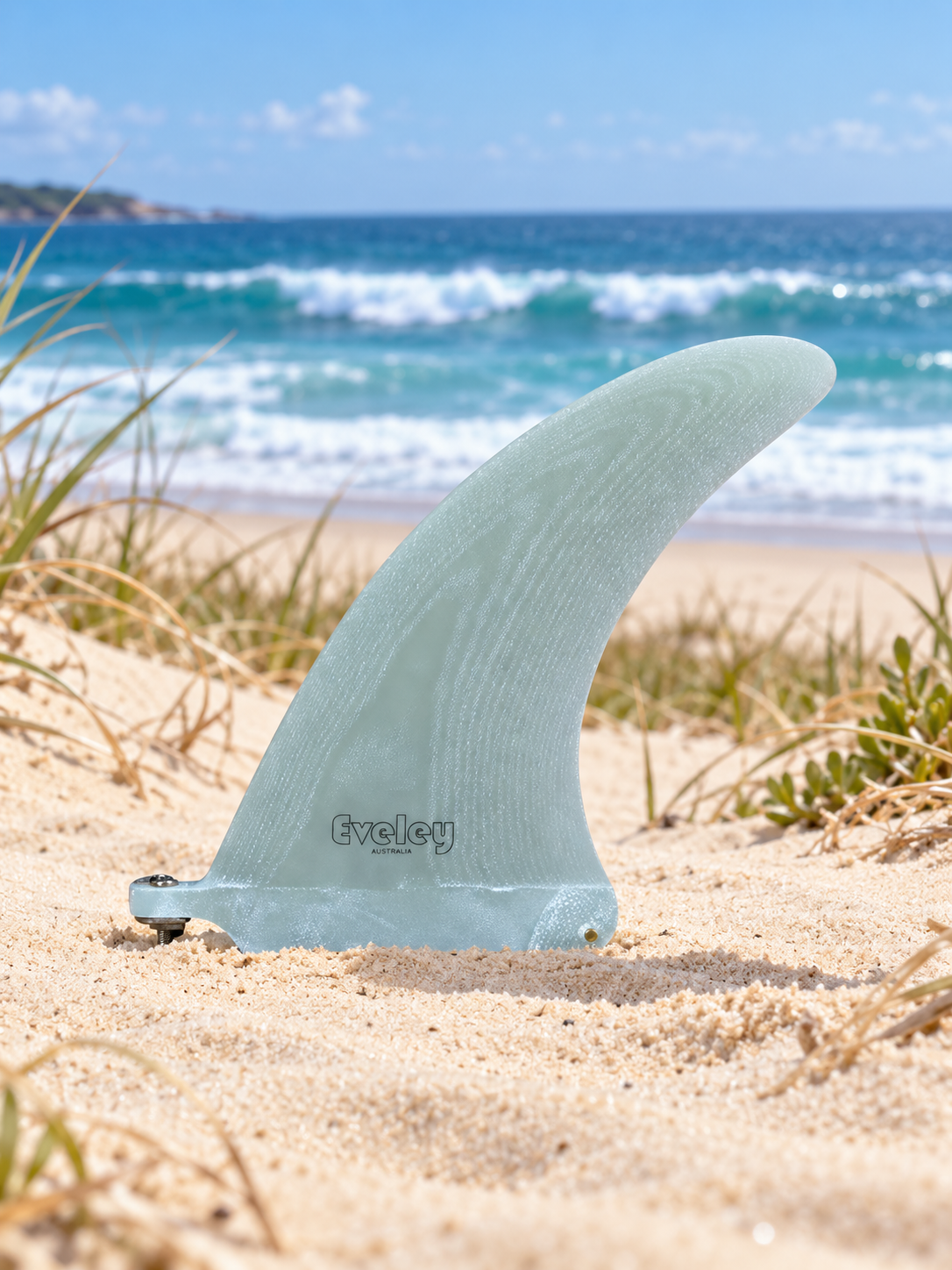
Few equipment choices influence longboard performance more than fin configuration.
While board design, rocker, and rails shape the overall character of a longboard, the decision between a single fin and a 2+1 setup ultimately determines how the board trims, turns, holds the pocket, and responds to changing wave energy.
Both configurations are deeply rooted in longboard history and remain widely used today—but they serve different surfing styles, wave types, and performance goals.
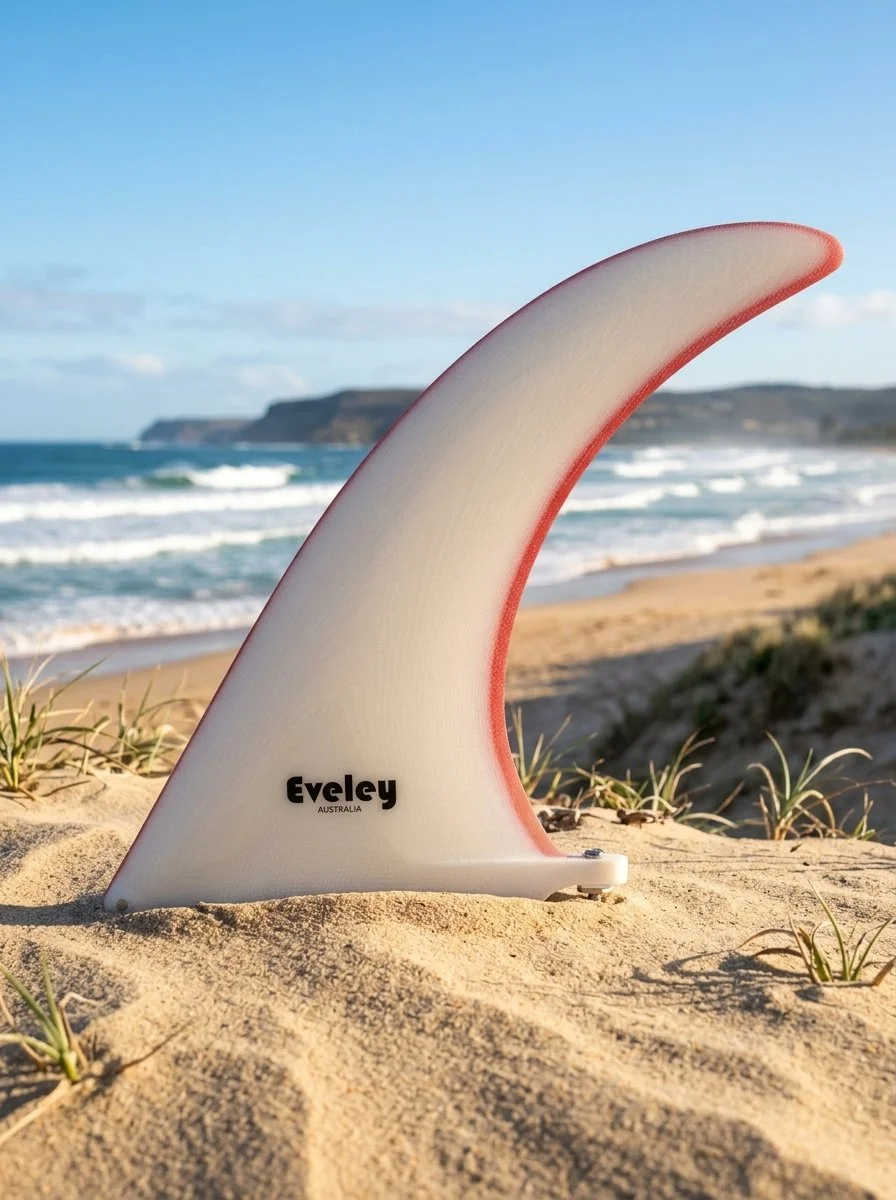
This guide explains the real-world differences between single fin and 2+1 longboard setups so you can choose the configuration that best matches your surfing.
New to surfboard fins? Start with the complete Surfboard Fin Guides overview.
What Is a Single Fin Longboard Setup?
A single fin configuration uses one center fin mounted in a sliding center fin box, with no side fins installed.
This is the traditional longboard arrangement that defined classic surfing through the 1960s and remains the benchmark for:
trim speed
glide
smooth, flowing turns
stable noseriding
Because water flows cleanly along the rail line without interruption from side fins, the board feels:
fluid, predictable, and timeless underfoot.
Performance Characteristics of a Single Fin
Strengths
Maximum trim speed and glide
Smooth, drawn-out turning arcs
Strong hold during noserides
Clean, uninterrupted rail engagement
These qualities make the single fin ideal for surfers seeking:
traditional style
cross-stepping flow
extended tip time
Limitations
Compared with multi-fin setups, single fins provide:
slower turning response
less drive through steep sections
reduced control in powerful surf
This does not make them worse—only different in purpose.
What Is a 2+1 Longboard Setup?
A 2+1 configuration combines:
one center fin in the sliding box
two smaller side fins near the rails
This hybrid design blends traditional longboard glide with modern responsiveness and control.
Today, the 2+1 is the most common all-round longboard setup.
Example: 3.7" + 7" 2+1 Fin Set – Black Pro Glass | FCSII Compatible Side Fins
Performance Characteristics of a 2+1
Strengths
Faster turn initiation
Increased drive through bottom turns
Greater hold in steeper waves
Improved control in varied conditions
These traits allow longboards to surf:
more vertically, more dynamically, and across a wider range of waves.
Trade-offs
Adding side fins slightly reduces:
pure trim glide
smoothness of drawn-out turns
maximum noseride stability
The feel becomes more responsive, less purely classic.
How Wave Type Influences the Best Choice
Small, clean point waves
Best suited to:
Single fin or loose 2+1
Why:
prioritises glide and trim
supports traditional style
enhances noseriding control
Everyday beach breaks
Best suited to:
2+1 setup
Why:
added drive in weak sections
better control on steeper drops
more forgiving across conditions
Powerful or fast waves
Best suited to:
Responsive 2+1
Why:
stronger hold at speed
tighter turning radius
improved stability in critical sections
How Surfing Style Affects the Decision
Traditional longboard style
Choose:
Single fin
Because it delivers:
smooth trim lines
flowing rail turns
classic noseride stability
Progressive longboard style
Choose:
2+1
Because it enables:
sharper top turns
quicker redirection
performance-oriented manoeuvres
Can One Board Do Both?
Yes.
Many longboards include:
a sliding center fin box
removable side fin boxes
This allows surfers to switch between:
pure single fin feel
versatile 2+1 performance
Simply changing fins can transform the board’s behaviour without replacing the board itself.
Fin Size Still Matters
Regardless of configuration:
larger center fins increase hold and stability
smaller center fins increase turning freedom
Correct sizing ensures the chosen setup performs as intended, rather than feeling stiff or unstable.
Why Fiberglass Construction Remains the Standard
Serious longboard surfers consistently prefer solid fiberglass (Pro Glass) fins because they provide:
predictable flex
smooth energy release
long-term durability
This consistency is especially important when comparing:
single fin glide
2+1 responsiveness
Material stability ensures the differences you feel are true performance changes, not construction inconsistencies.
Recommended Eveley Fins for This Setup
The following Eveley fin templates match the performance characteristics discussed in this guide. Each option is built from solid Pro Glass for consistent flex, durability, and real-world surf reliability.
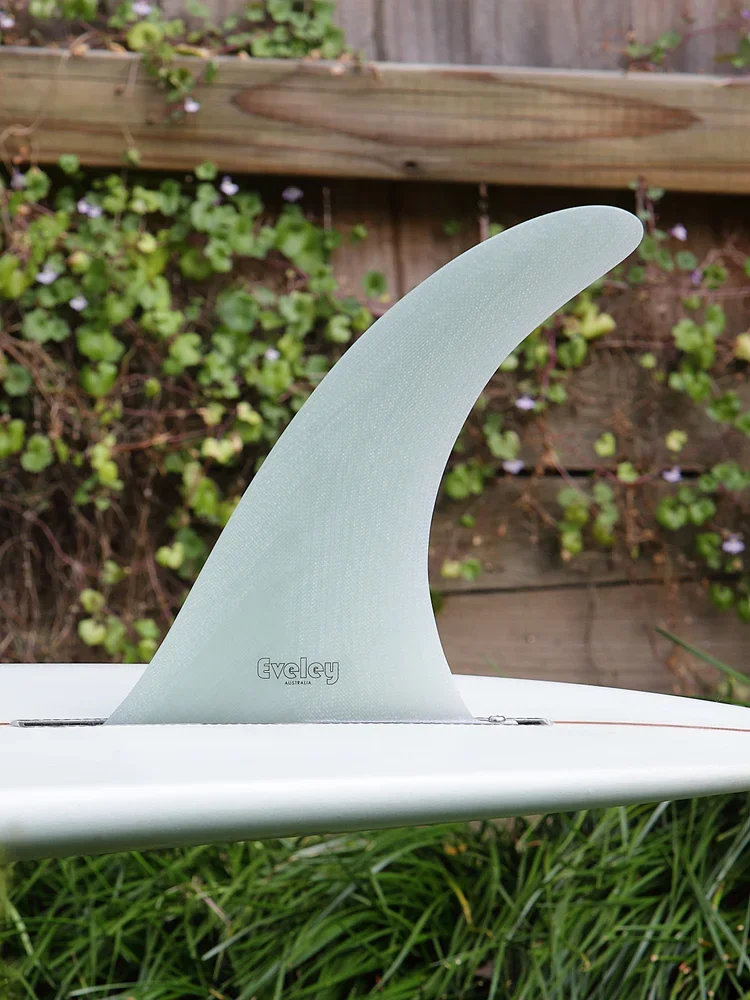
10" International 4A Center Fin
Classic swept template designed for trim speed, glide, and stable noseriding.
→ Shop 10" International 4A Center Fin
9.25" Classic Center Fin
Balanced all-round template blending smooth turning with dependable hold.
→ Shop 9.25" Classic Center Fin
6.75" Classic Center Fin – Natural Pro Glass Click-In Fin
Delivers smooth control, timeless style, and reliable performance with fast, click in installation.
→ Shop 6.75" Classic Center Fin
5.5" Xtra Classic Center Fin – volan Pro Glass
Premium surfboard fins built in traditional Volan fiberglass — the 5.5" Xtra Classic Center Fin delivers smooth control, timeless style, and reliable performance from authentic Eveley fins.
→ Shop 5.5" Classic Center Fin
3.6" Classic Side Fins, black Pro Glass. FCS compatible set of two fins.
Supportive side bites adding control and drive to versatile 2+1 setups.
→ Shop 3.6" Classic Side Fins (Pair)
Explore the full Eveley fin range to fine-tune your board’s feel, speed, and control across different wave conditions.
Frequently Asked Questions
Is a single fin better for beginners?
Often yes.
Single fins provide stable, predictable trim, which can feel easier for early longboard progression.
Does a 2+1 reduce noseriding ability?
Slightly.
Side fins add control but can reduce the pure hold and glide of a dedicated single fin.
Which setup is most versatile overall?
The 2+1 configuration generally handles the widest range of waves and surfing styles.
Supporting Knowledge Hub Articles
Longboard Fins Guide Australia – Single, 2+1 & Performance Explained
Conclusion
Choosing between a single fin and a 2+1 longboard setup is not about right or wrong—it is about matching equipment to:
wave conditions
surfing style
desired board feel
Single fins deliver timeless glide, flow, and noseride stability.
2+1 setups provide versatility, control, and modern responsiveness.
Understanding these differences allows surfers to tune performance with precision—often by simply changing fins rather than boards.
Mastering this choice leads to: greater control, better wave matching, and a more refined longboard experience.
Popular Center Fins
11" International 4A Center Fin – Blue on White Pro Glass
Popular Side Fins
3.6" Classic Side Surfboard Fins – Mid Blue Pro Glass | Futures Compatible
Click here to shop Eveley Fins
Futures™ is a registered trademark of Futures Fins. Eveley Surf is not affiliated with or endorsed by Futures Fins. All compatibility references to Futures Fins are for descriptive purposes only.
FCS™ and FCS II™ are registered trademarks of Surf Hardware International Pty Ltd. Eveley Surf is not affiliated with or endorsed by Surf Hardware International Pty Ltd. All compatibility references to FCS and FCS II are for descriptive purposes only.