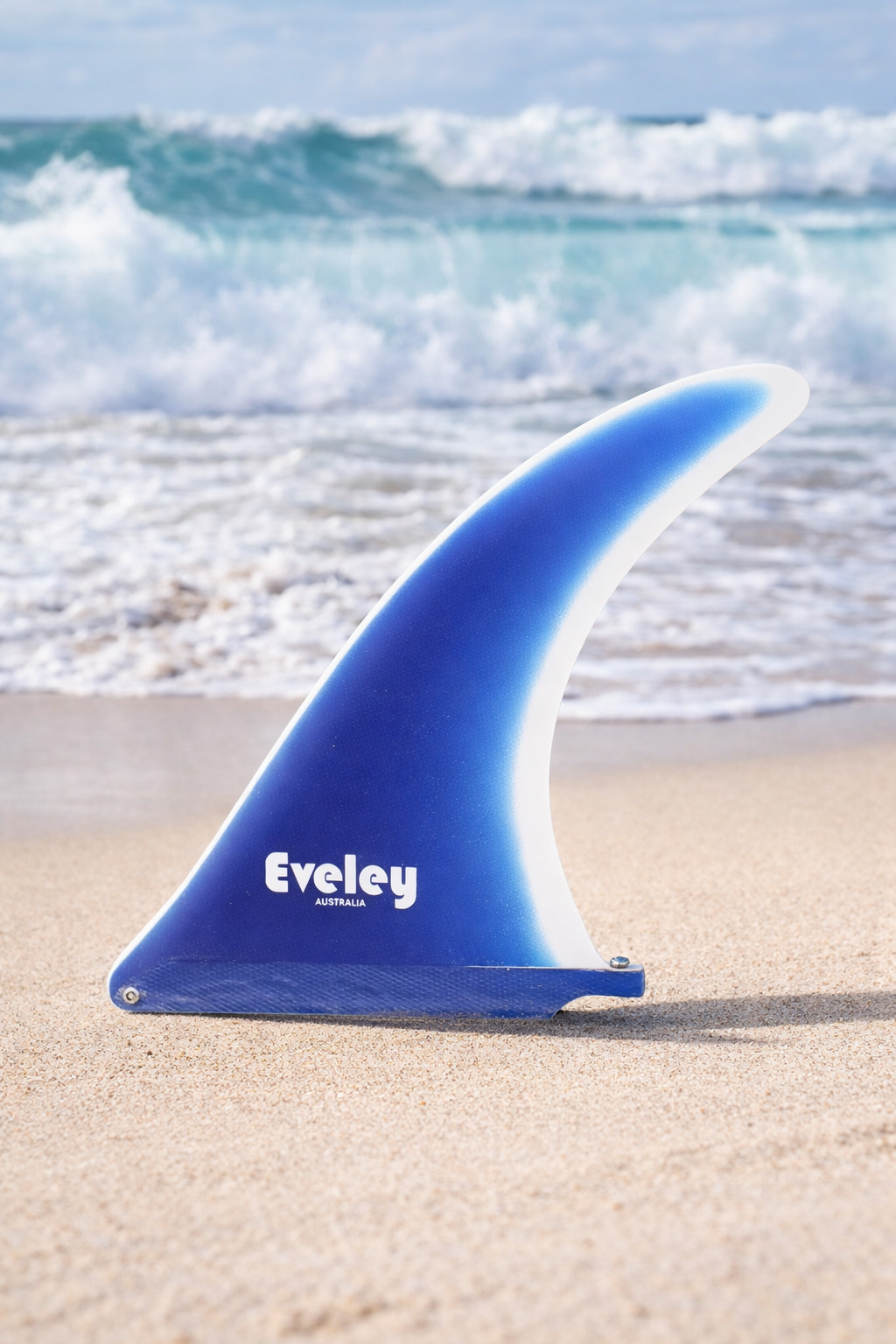
How to Choose the Right Longboard Center Fin Size
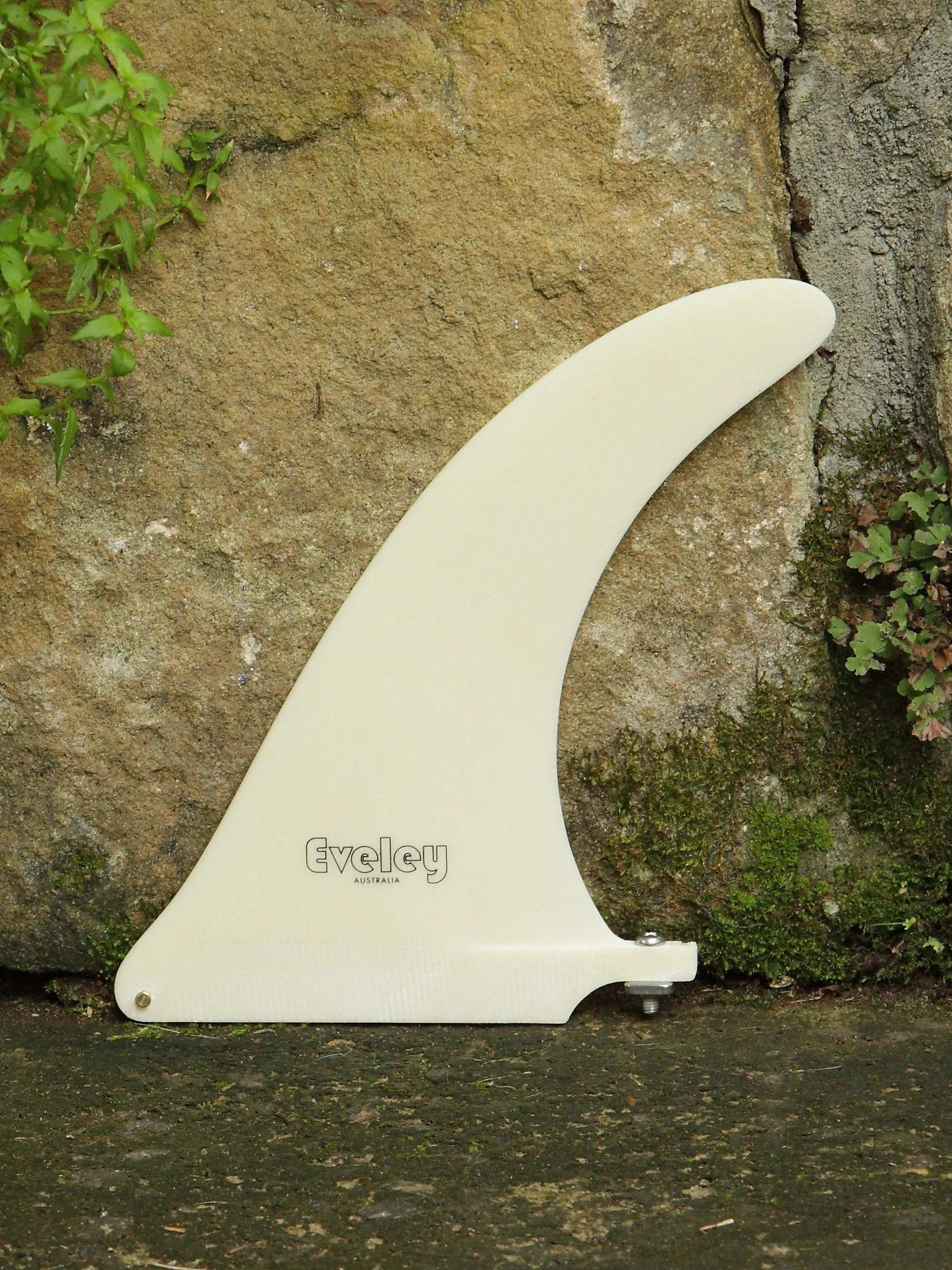
New to surfboard fins? Start with the complete Surfboard Fin Guides overview.
Selecting the correct longboard center fin size is one of the most important decisions a surfer can make when tuning board performance.
While template shape, flex, and placement all influence feel, fin size ultimately determines the balance between hold, glide, turning freedom, and control.
A properly sized center fin allows the board to:
Trim smoothly without excess drag
Hold steady during noserides
Turn with predictable response
Maintain control across varying wave energy
An incorrect size, by contrast, can make even a well-designed longboard feel stiff, unstable, or unresponsive.
This guide explains how center fin sizing works in real surfing conditions and how to choose the correct size for your board, waves, and style.
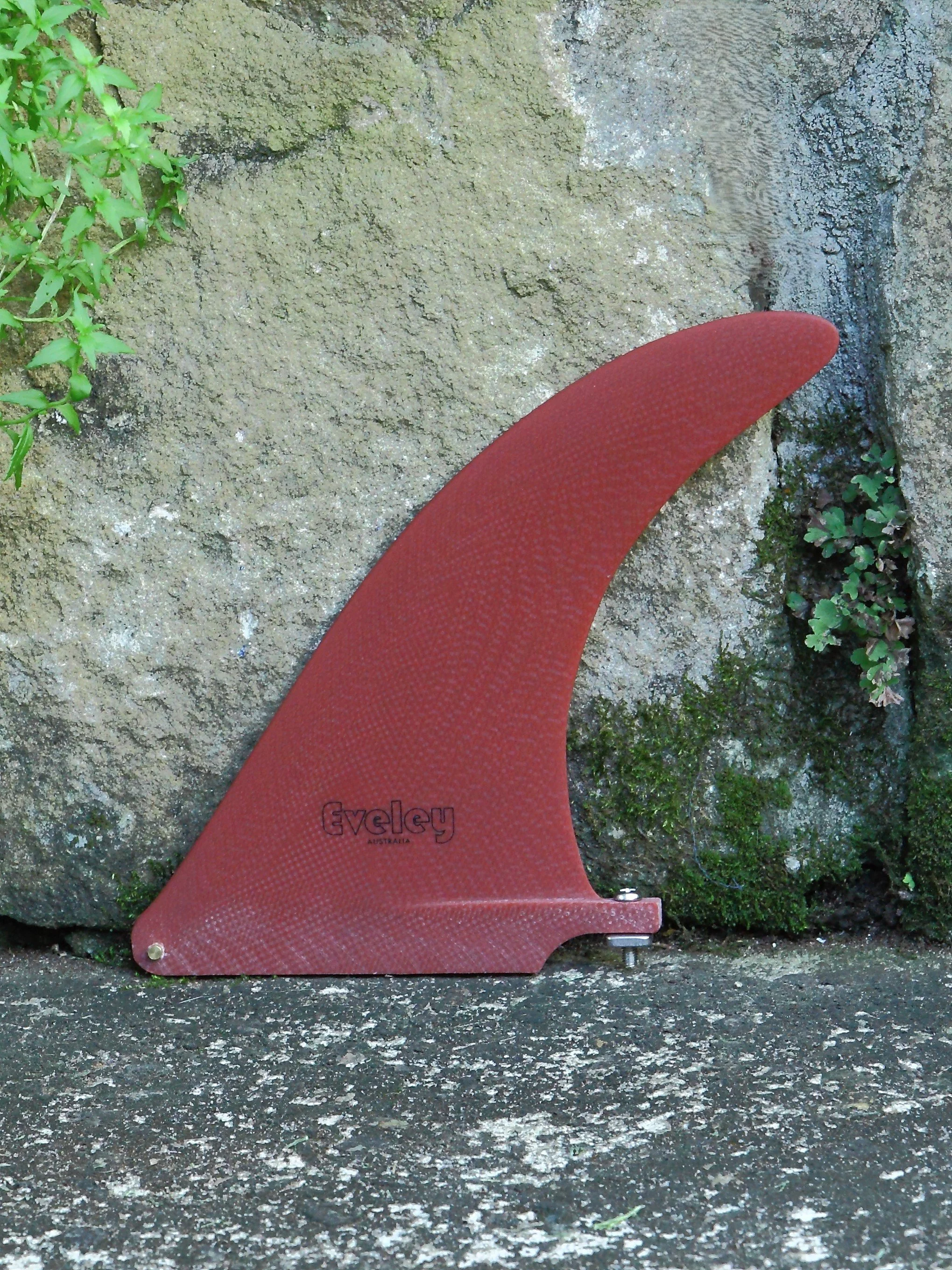
Why Center Fin Size Matters
Longboards generate speed primarily through trim and rail engagement, not aggressive pumping like shortboards.
Because of this, the center fin plays a dominant role in stabilising the board’s direction and controlling how easily it pivots.
Changing fin size directly affects:
Hold — resistance to sliding or drifting
Drag — resistance that slows trim speed
Turning radius — how tightly the board can arc
Noseride stability — ability to stay locked in the pocket
Even a 1-inch difference in fin depth can produce a clearly noticeable change in feel.
General Longboard Fin Size Guidelines
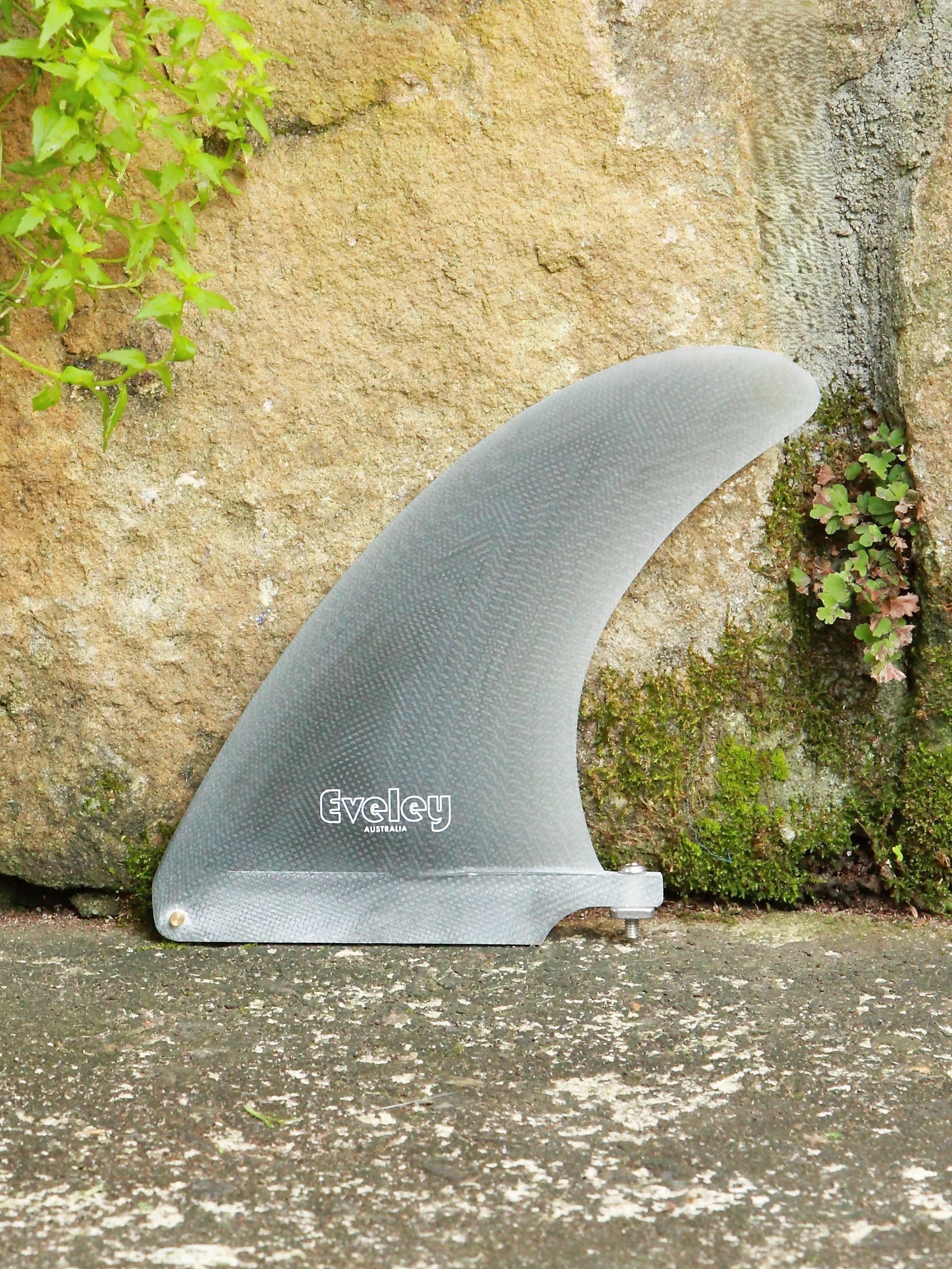
Although every board design is different, proven real-world sizing ranges provide a reliable starting point.
Traditional logs and dedicated noseriders
Typical size range:
9.5" to 11" center fins
Why larger fins work:
Maximum directional stability
Strong hold during cross-stepping and noseriding
Smooth, drawn-out turning style
These fins prioritise control and glide over looseness.
All-round longboards
Typical size range:
8" to 9.5" center fins
This middle range offers:
Balanced trim speed and manoeuvrability
Reliable hold in varied wave types
Smooth but responsive turning
For many surfers, this is the most versatile everyday size window.
Performance longboards
Typical size range:
6.5" to 8" center fins
Smaller fins provide:
Faster direction changes
Reduced drag for acceleration
Tighter turning arcs
However, they also reduce:
Noseride stability
Straight-line trim hold
Forgiveness in weaker waves
This sizing suits surfers prioritising turning performance over classic flow.
Matching Fin Size to Board Length
Board length provides another practical sizing reference.
Rule of thumb:
Use roughly 1 inch of fin depth per foot of board length,
then adjust for style and wave type.
Examples:
9'0" board → around 9" fin
9'6" board → around 9.5"–10" fin
10'0" log → around 10"–11" fin
This rule is not absolute, but it offers a dependable baseline before fine-tuning.
How Wave Type Influences Fin Size
Small, soft waves
Better with:
Slightly larger fin
Reason:
Extra hold maintains trim speed
Helps the board stay stable in weak energy
Clean point waves
Best with:
Balanced mid-range fin
Reason:
Preserves glide while allowing smooth turns
Supports controlled noseriding
Steeper or faster waves
Often improved by:
Slightly smaller fin
Reason:
Reduces drag during drops
Allows quicker directional adjustment
Prevents the board from feeling locked in
Wave energy should always influence the final sizing decision.
Adjusting Feel Without Changing Fin Size
Before buying a new fin, experiment with placement inside the sliding center fin box.
Simple tuning method
Move back → more hold, stability, noseride control
Move forward → looser turning, quicker response
Small adjustments of 5–10 mm can replicate the feel of a different fin size, making placement the easiest first step in tuning performance.
Common Center Fin Sizing Mistakes
Choosing too small a fin
Leads to:
Sliding during turns
Weak noseride hold
Unstable trim in soft waves
Choosing too large a fin
Creates:
Excess drag
Slow turning response
Stiff, locked-in feel
Ignoring board design
Fin size must match:
Tail width
Rocker curve
Intended surfing style
No single size works for every longboard.
Fiberglass Construction and Real-World Performance
Serious longboard surfers consistently favour solid fiberglass (Pro Glass) fins for center fin applications.
Advantages include:
Predictable, controlled flex
Smooth energy release through turns
Long-term structural durability
Compared with lightweight composite fins, fiberglass provides:
more consistent performance across a wider range of wave conditions.
Recommended Eveley Fins for This Setup
The following Eveley fin templates match the performance characteristics discussed in this guide. Each option is built from solid Pro Glass for consistent flex, durability, and real-world surf reliability.
10" California Dreaming Center Fin
Classic swept template designed for trim speed, glide, and stable noseriding.
→ Shop 10" California Dreaming Center Fin
9" International 4A Center Fin
Balanced depth and rake delivering smooth control across varied wave conditions.
→ Shop 9" International 4A Center Fin
7.2" Flow Flex Center Fin
Reduced depth and responsive flex for tighter turning on performance longboards.
→ Shop 7.2"Flow Flex Center Fin
Explore the full Eveley fin range to fine-tune your board’s feel, speed, and control across different wave conditions.
Frequently Asked Questions
What is the best center fin size for a 9-foot longboard?
Most 9'0" longboards perform best with around a 9" center fin, adjusted slightly for style and wave type.
Does a bigger fin always mean better noseriding?
Generally yes, because increased depth improves hold and stability, but too large a fin can reduce manoeuvrability.
Should beginners use a larger center fin?
Often yes.
A slightly larger fin provides extra stability and forgiveness, making early longboard control easier.
Conclusion
Choosing the correct longboard center fin size is less about strict rules and more about balancing stability, glide, and manoeuvrability for your specific board and waves.
Larger fins enhance hold and noseriding control
Mid-range sizes provide everyday versatility
Smaller fins unlock performance turning freedom
By combining the right size with careful placement and quality fiberglass construction, surfers can achieve a longboard feel that is:
smooth in trim, stable in the pocket, and responsive through turns.