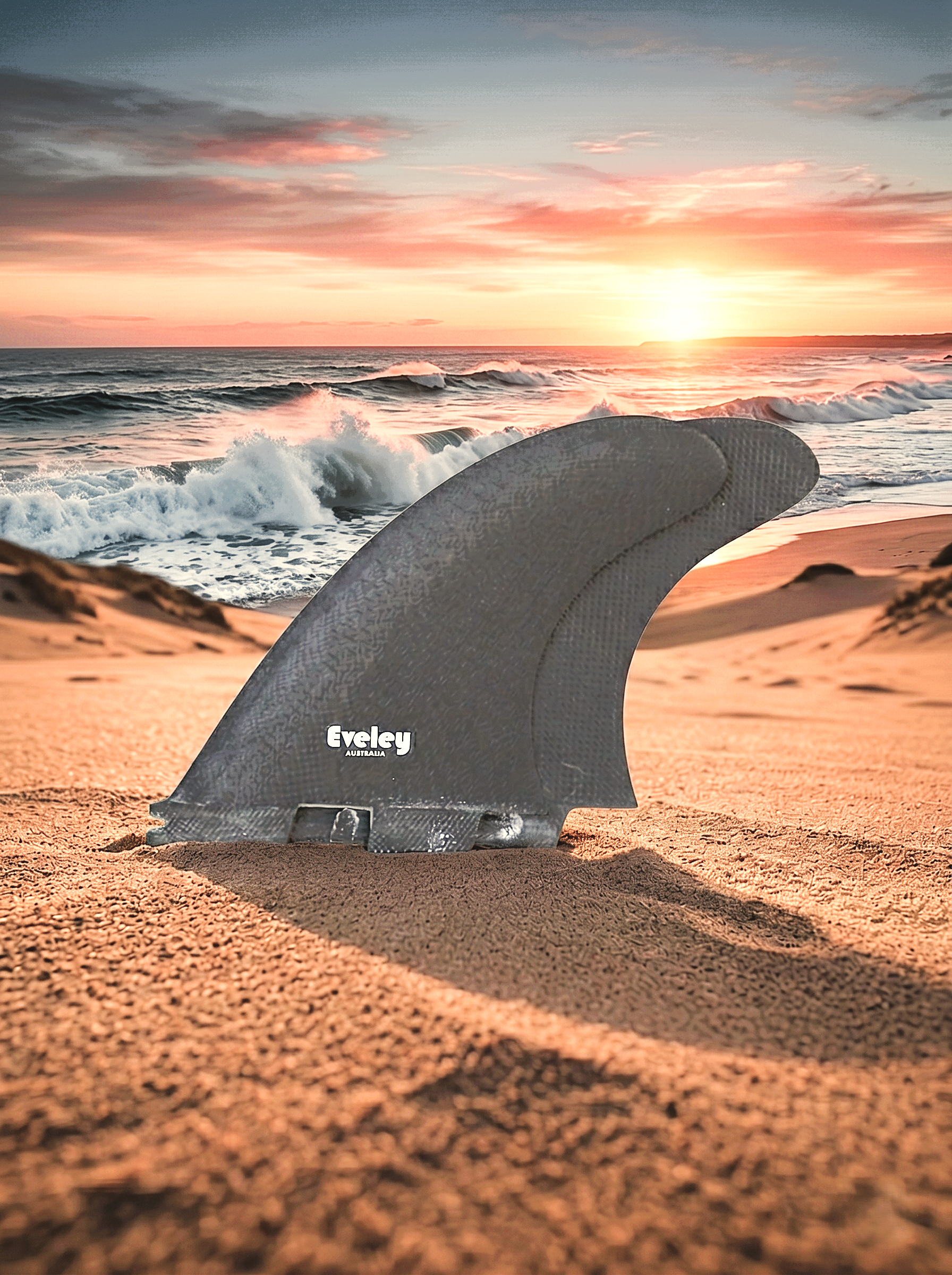
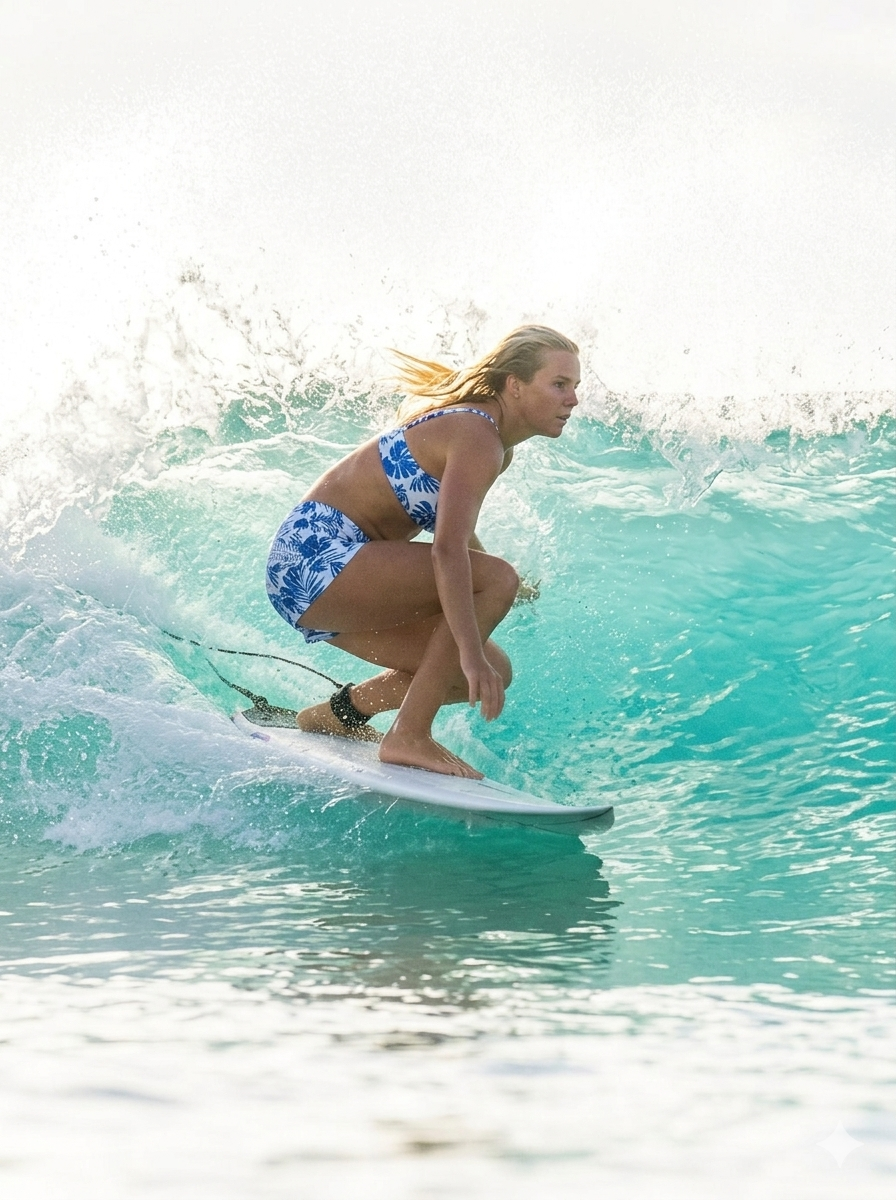
Premium surfboard fins engineered for speed, control, and precision—ideal progressive side fins.
Upgrade your surfboard fins setup with these precision-built 4.5" Progressive Side Fins, designed to deliver speed, control, and clean rail engagement across a wide range of conditions.
Instant Fit Guide
Specs
Fin Type: Progressive Side Fins
Size: Depth (Height) 4.5" Base 4.4” Foil flat inner face Cant angle zero Rake (Sweep) 46 degrees Area (Each fin) 9.11 sq inches Aspect ratio 2.22
Construction: Black Pro Glass Fibreglass
Flex: Firm performance flex
Template: Progressive performance template
Quantity: Set of 2 fins
When you take these 4.5" side fins and pair them with a 6.5" center fin on a longboard,
you are creating a 2+1 performance setup.
While the 6.5" fin is physically larger than your side fins, it is considered smallish for a longboard fin. In a 2+1 performance configuration, a common center fin size is 7" to 7.5".
This combination creates a very distinct ride. Here is how you would describe its performance characteristics:
The Overall Feel: Progressive and Highly Maneuverable
This setup transforms a traditional longboard glide into a progressive, dynamic ride. It bridges the gap between traditional longboarding and modern high-performance surfing.
Loosest Performance: It will make the longboard feel significantly looser and faster rail-to-rail than a standard 2+1 setup.
Reduced Drag: Using a smaller center fin significantly reduces drag, allowing the board to accelerate and maintain speed more easily through turns.
Key Performance Attributes
1. Drive and Pivot
The board’s primary instinct will be to turn tightly.
Pivot Point: The tall 4.5" side fins create a very strong, efficient pivot point right on the tail.
The Drivey Feel: Because the side fins are relatively tall for a 2 +1 setup, they provide significant drive when engaging the rail.
2. Excellent Speed & Release (Top Turn Snap)
The low-drag configuration allows for dynamic surfing off the tail.
Speed: Less fin area in the water means less friction, so the board will generate speed quickly.
Snap: The tall side fins provide the grip needed to push through a bottom turn, while the small center fin allows the tail to release easily at the top of the wave for snappy, vertical redirections.
Best Conditions and Surfer Style
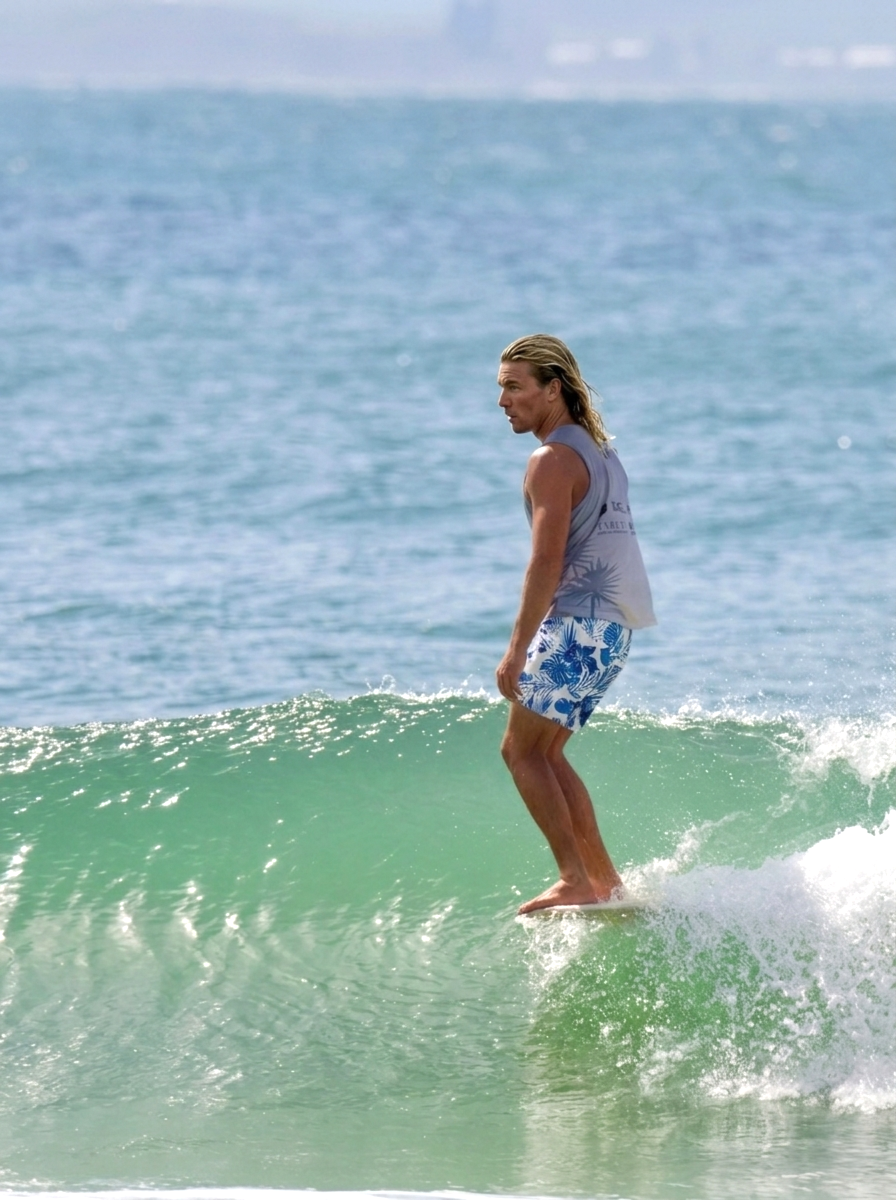
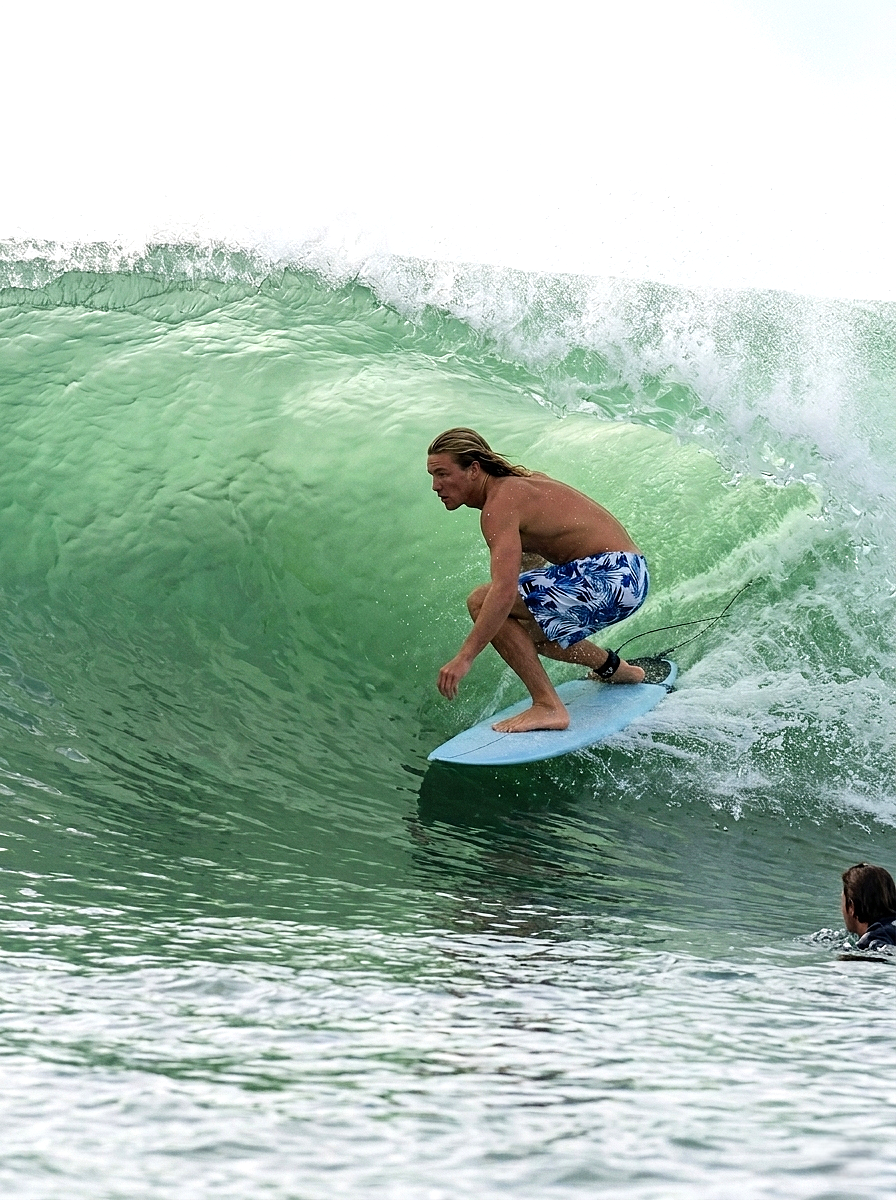
Who is it for? A performance-oriented longboarder who prioritized aggressive turning, vertical surfing, and speed over traditional "logging" or extended noseriding.
Best Waves: Peakier, faster, or beach-break conditions where you need to change direction quickly in a tight space. It is not ideal for long, slow point-break walls.
Eveley Surfboard Fin Knowledge Hub
Choosing the right surfboard fins can completely transform how your board performs. Whether you're dialling in a quad setup or refining your rail-to-rail transitions, understanding fin size, placement, and template is critical.
👉Surfboard Fins Australia – Complete Buyer’s Guide
Do Side Fins Help Longboard Performance? 2+1 vs Single Fin Explained
Single Fin vs 2+1 Longboard Setup — Which Should You Choose?
Premium surfboard fins engineered for speed, control, and precision—ideal progressive side fins.
Upgrade your surfboard fins setup with these precision-built 4.5" Progressive Side Fins, designed to deliver speed, control, and clean rail engagement across a wide range of conditions.
Instant Fit Guide
Specs
Fin Type: Progressive Side Fins
Size: Depth (Height) 4.5" Base 4.4” Foil flat inner face Cant angle zero Rake (Sweep) 46 degrees Area (Each fin) 9.11 sq inches Aspect ratio 2.22
Construction: Black Pro Glass Fibreglass
Flex: Firm performance flex
Template: Progressive performance template
Quantity: Set of 2 fins
When you take these 4.5" side fins and pair them with a 6.5" center fin on a longboard,
you are creating a 2+1 performance setup.
While the 6.5" fin is physically larger than your side fins, it is considered smallish for a longboard fin. In a 2+1 performance configuration, a common center fin size is 7" to 7.5".
This combination creates a very distinct ride. Here is how you would describe its performance characteristics:
The Overall Feel: Progressive and Highly Maneuverable
This setup transforms a traditional longboard glide into a progressive, dynamic ride. It bridges the gap between traditional longboarding and modern high-performance surfing.
Loosest Performance: It will make the longboard feel significantly looser and faster rail-to-rail than a standard 2+1 setup.
Reduced Drag: Using a smaller center fin significantly reduces drag, allowing the board to accelerate and maintain speed more easily through turns.
Key Performance Attributes
1. Drive and Pivot
The board’s primary instinct will be to turn tightly.
Pivot Point: The tall 4.5" side fins create a very strong, efficient pivot point right on the tail.
The Drivey Feel: Because the side fins are relatively tall for a 2 +1 setup, they provide significant drive when engaging the rail.
2. Excellent Speed & Release (Top Turn Snap)
The low-drag configuration allows for dynamic surfing off the tail.
Speed: Less fin area in the water means less friction, so the board will generate speed quickly.
Snap: The tall side fins provide the grip needed to push through a bottom turn, while the small center fin allows the tail to release easily at the top of the wave for snappy, vertical redirections.
Best Conditions and Surfer Style
Who is it for? A performance-oriented longboarder who prioritized aggressive turning, vertical surfing, and speed over traditional "logging" or extended noseriding.
Best Waves: Peakier, faster, or beach-break conditions where you need to change direction quickly in a tight space. It is not ideal for long, slow point-break walls.
Eveley Surfboard Fin Knowledge Hub
Choosing the right surfboard fins can completely transform how your board performs. Whether you're dialling in a quad setup or refining your rail-to-rail transitions, understanding fin size, placement, and template is critical.
👉Surfboard Fins Australia – Complete Buyer’s Guide
Do Side Fins Help Longboard Performance? 2+1 vs Single Fin Explained
Single Fin vs 2+1 Longboard Setup — Which Should You Choose?

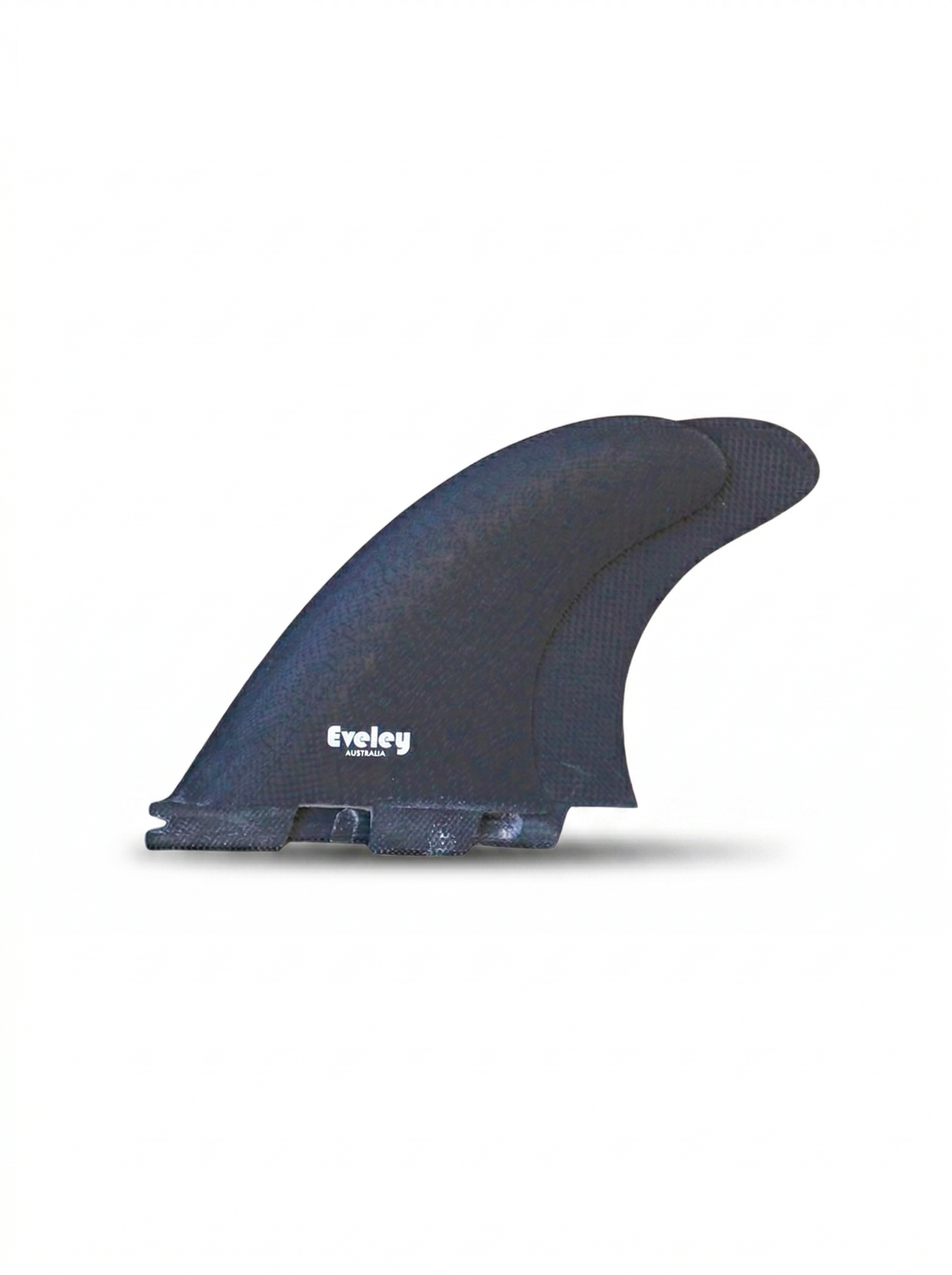 Image 1 of 3
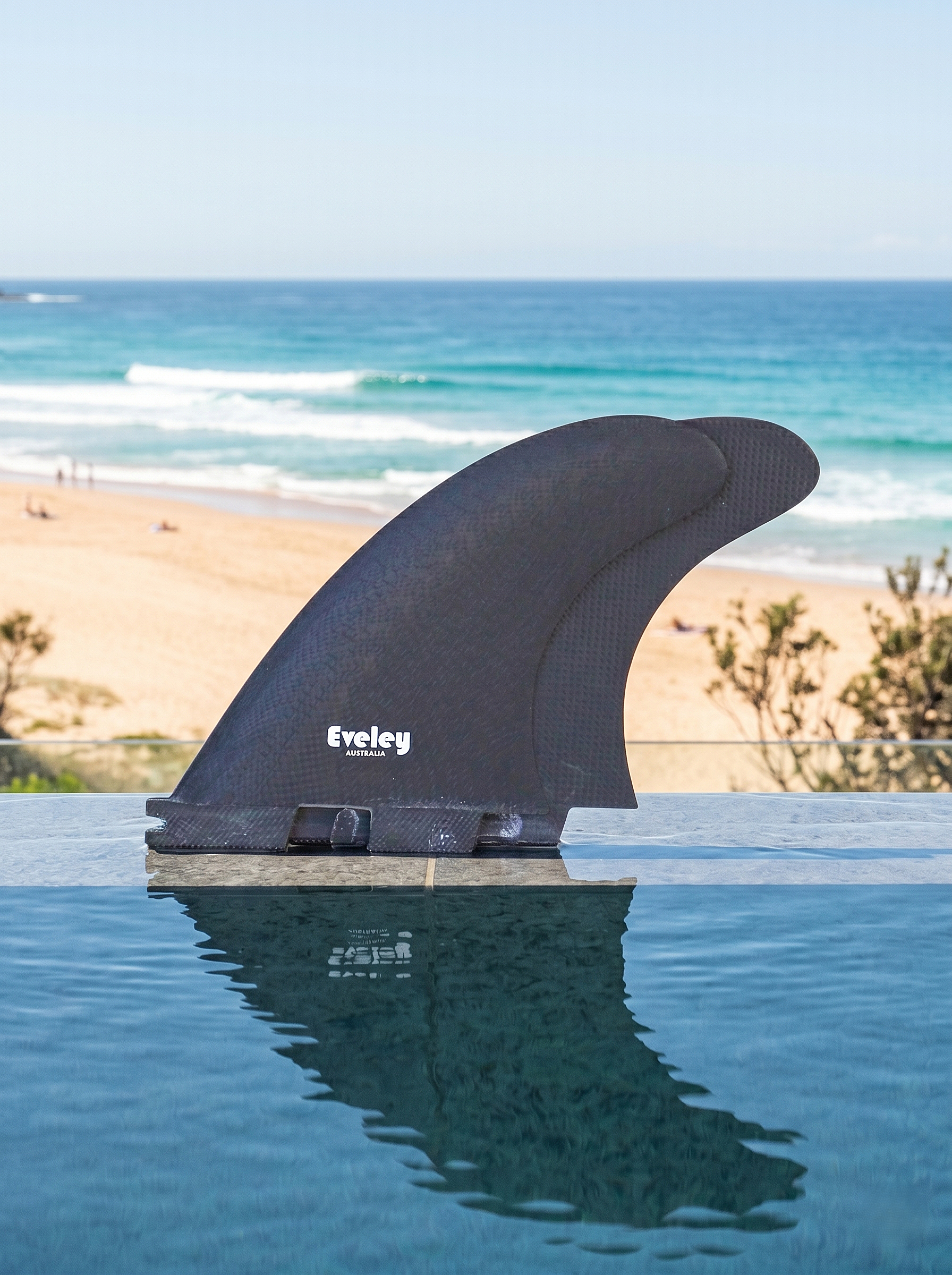 Image 2 of 3
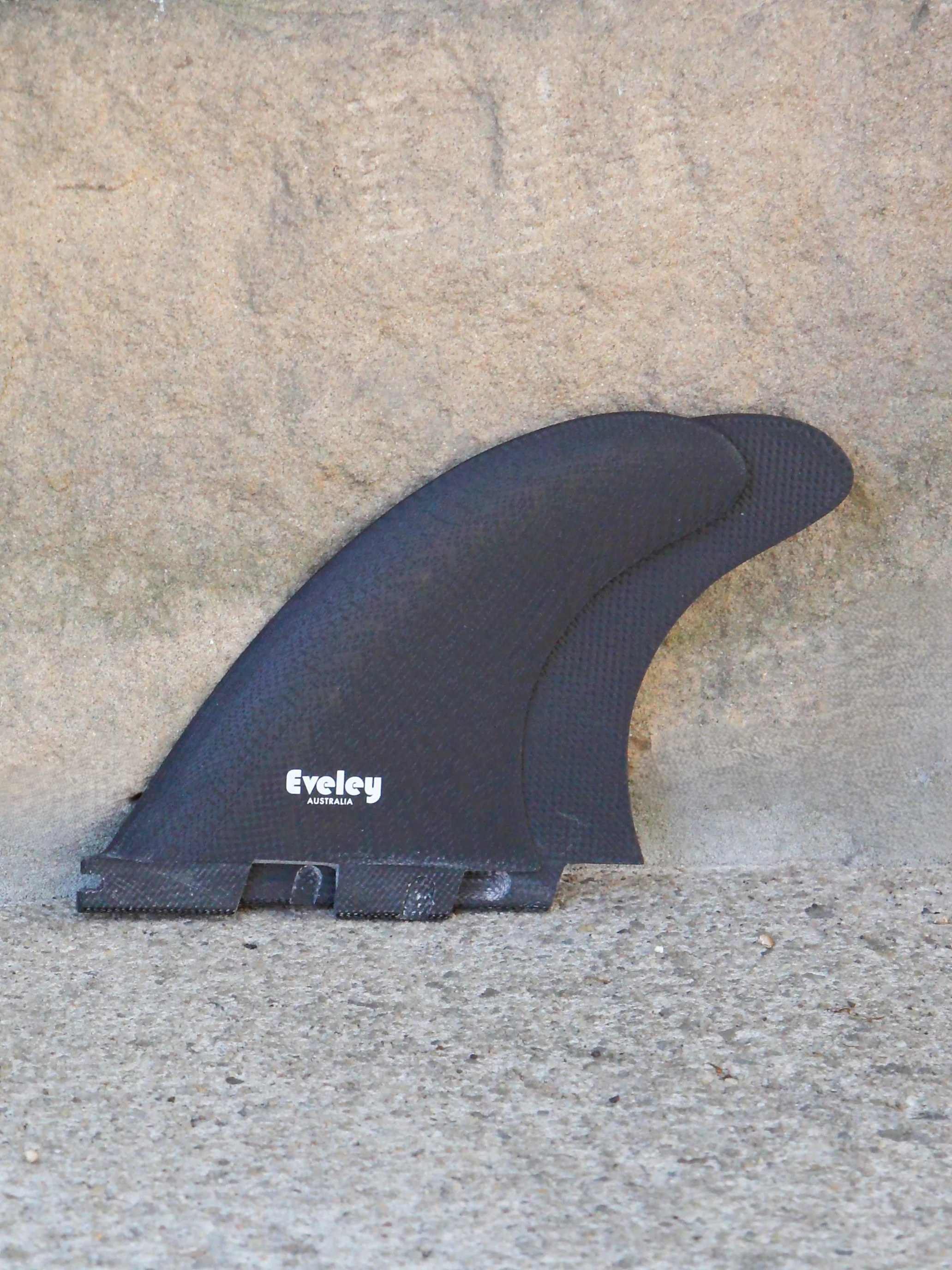 Image 3 of 3