
Do Side Fins Help Longboard Performance?
When 2+1 Setups Improve Control — And When They Don’t
New to surfboard fins? Start with the complete Surfboard Fin Guides overview.
Many longboarders eventually ask: Do side fins help longboard performance?
The short answer is: yes — but not always.
Side fins (often called side bites) can increase hold, control, and responsiveness. But they also change glide, trim feel, and the classic flow of a single fin.
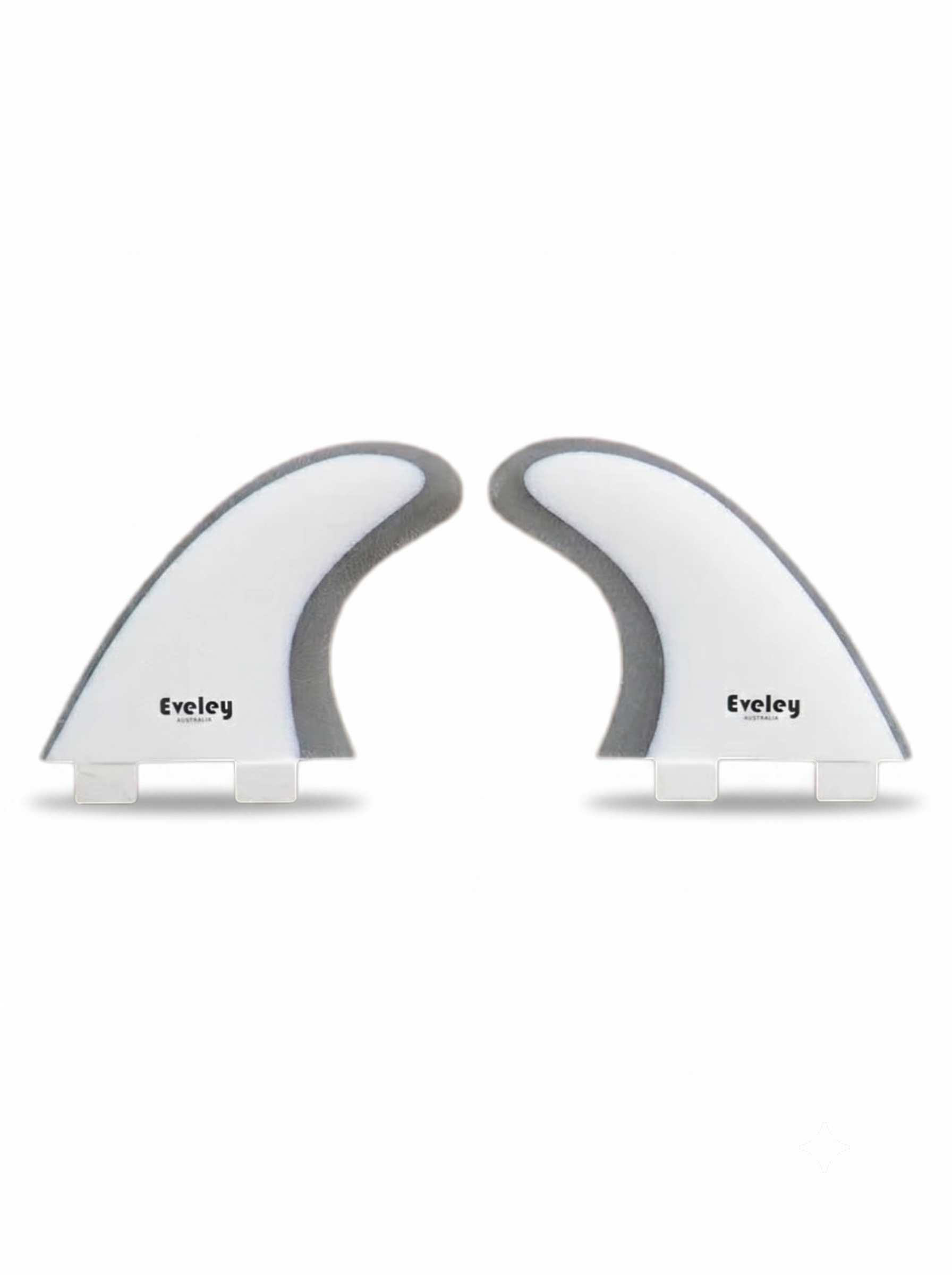
This guide explains:
How side fins change longboard dynamics
When a 2+1 setup improves performance
When a single fin is actually better
How to choose the right side fin size
By the end, you’ll know whether side fins suit your board, waves, and style.
What Is a 2+1 Longboard Setup?
A 2+1 setup uses:
One larger center fin
Two smaller side fins
It blends the stability of a single fin with some of the responsiveness of a thruster.
This configuration is common on:
Performance longboards
Hybrid shapes
Boards surfed in steeper, faster waves
How Side Fins Change Longboard Performance
1. Increased Rail Hold at Speed
Side fins engage when the board is put on rail.
They provide:
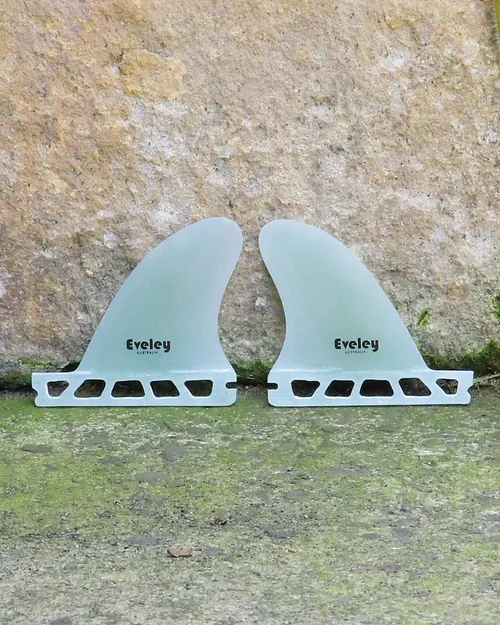
Extra grip in steeper sections
More control during powerful bottom turns
Reduced slide in critical pockets
This makes them particularly useful in punchy beach breaks.
2. Tighter Turning Radius
With side fins assisting the rail, the board:
Responds faster to foot pressure
Feels more reactive off the bottom
Turns more vertically
For surfers transitioning from shortboards, this can feel more familiar.
3. Added Stability in Larger Surf
In overhead or fast conditions, a single fin can feel:
Loose under pressure
Slightly delayed in response
Side fins add predictability and security when waves demand precision.
The Trade-Off: What You Lose With Side Fins
1. Reduced Glide
Single fins are known for:
Smooth trim
Minimal drag
Effortless down-the-line speed
Side fins increase drag slightly, which can:
Reduce that classic flowing sensation
Diminish glide in weaker waves
2. Less Pure Single-Fin Feel
Traditional longboarding is built around:
Trim
Flow
Drawn-out arcs
A 2+1 setup shifts the feel toward performance turning rather than classic style.
3. Slightly Reduced Noseriding Stability
Because side fins encourage turning and rail engagement, they can:
Decrease pure tail anchor effect
Reduce extended tip-time in clean peeling waves
For dedicated noseriding, a larger single fin often performs better.
When Side Fins Help Most
Side fins are ideal when:
Surf is steep or fast
You prefer tighter turning arcs
Your board has more rocker
You surf aggressively off the tail
They are especially effective on:
Performance longboards
Lighter glassed boards
Boards under 9'2"
When a Single Fin Is Better
A single fin is usually superior when:
Surf is small and weak
You prioritise trim and glide
You focus on classic noseriding
You ride heavier traditional logs
For traditional longboarding, the simplicity of one center fin often delivers the best overall feel.
Choosing the Right Side Fin Size
Side fins are typically:
Small (2.5"–4")
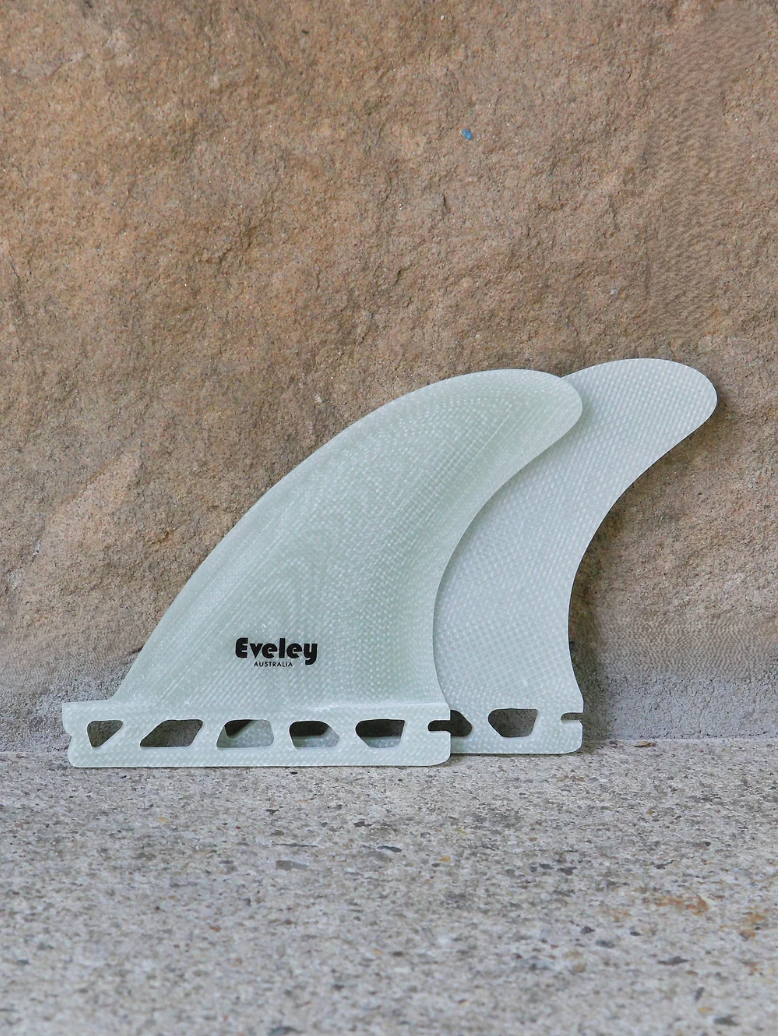
Larger side fins:
Increase hold and control
Make the board feel more performance-oriented
Smaller side fins:
Preserve glide
Maintain more single-fin character
Most surfers find moderate-sized side fins strike the best balance.
Board Type Matters
Traditional Logs (9'4"+, heavy glass)
Best setup:
Single fin (9.5"–10"+)
Side fins often unnecessary.
Performance Longboards
Best setup:
2+1 configuration
8.5"–9" center fin
Small stabiliser side fins
Delivers control without losing longboard feel entirely.
Mid-Lengths
Side fins can improve:
Rail engagement
Drive through turns
Stability at speed
FAQ’s – Do Side Fins Help Longboard Performance?
Do side fins make a longboard faster?
In steeper waves, yes — by improving drive and control.
In weak waves, they may slightly reduce glide.
Are side fins better for beginners?
They can provide added stability and predictability, especially in faster surf.
Do side fins hurt noseriding?
For dedicated noseriding, a larger single fin often provides better tail hold.
Conclusion
So, do side fins help longboard performance?
Yes — when you need more control, tighter turning, and confidence in faster waves.
But for classic trim, glide, and traditional noseriding, a balanced single fin remains the purest and most versatile setup.
The right answer depends on:
Your board
Your waves
Your surfing style
Understanding how side fins change performance allows you to tune your longboard for the conditions — rather than guessing.
Popular Side Fins
1.9" Mini Side Fins (Mini Quad Rears) – Black Pro Glass. FCS Compatible, Set of 2
3.6" Classic Side Surfboard Fins – Mid Blue Pro Glass | Futures Compatible
Click here to see all The Eveley Side Fins
Popular Center Fins
6.75" Classic Center Fin – Natural Pro Glass Click-In Fin
Click here to see all The Eveley Center Fins
Futures™ is a registered trademark of Futures Fins. Eveley Surf is not affiliated with or endorsed by Futures Fins. All compatibility references to Futures Fins are for descriptive purposes only.
FCS™ and FCSII™ are registered trademarks of Surf Hardware International Pty Ltd. Eveley Surf is not affiliated with or endorsed by Surf Hardware International Pty Ltd. All compatibility references to FCS and FCSII are for descriptive purposes only.