
4A vs Logger – Which Longboard Fin Holds Better?
Comparing Pivot Control, Trim Stability, and Noseriding Performance
New to surfboard fins? Start with the complete Surfboard Fin Guides overview.
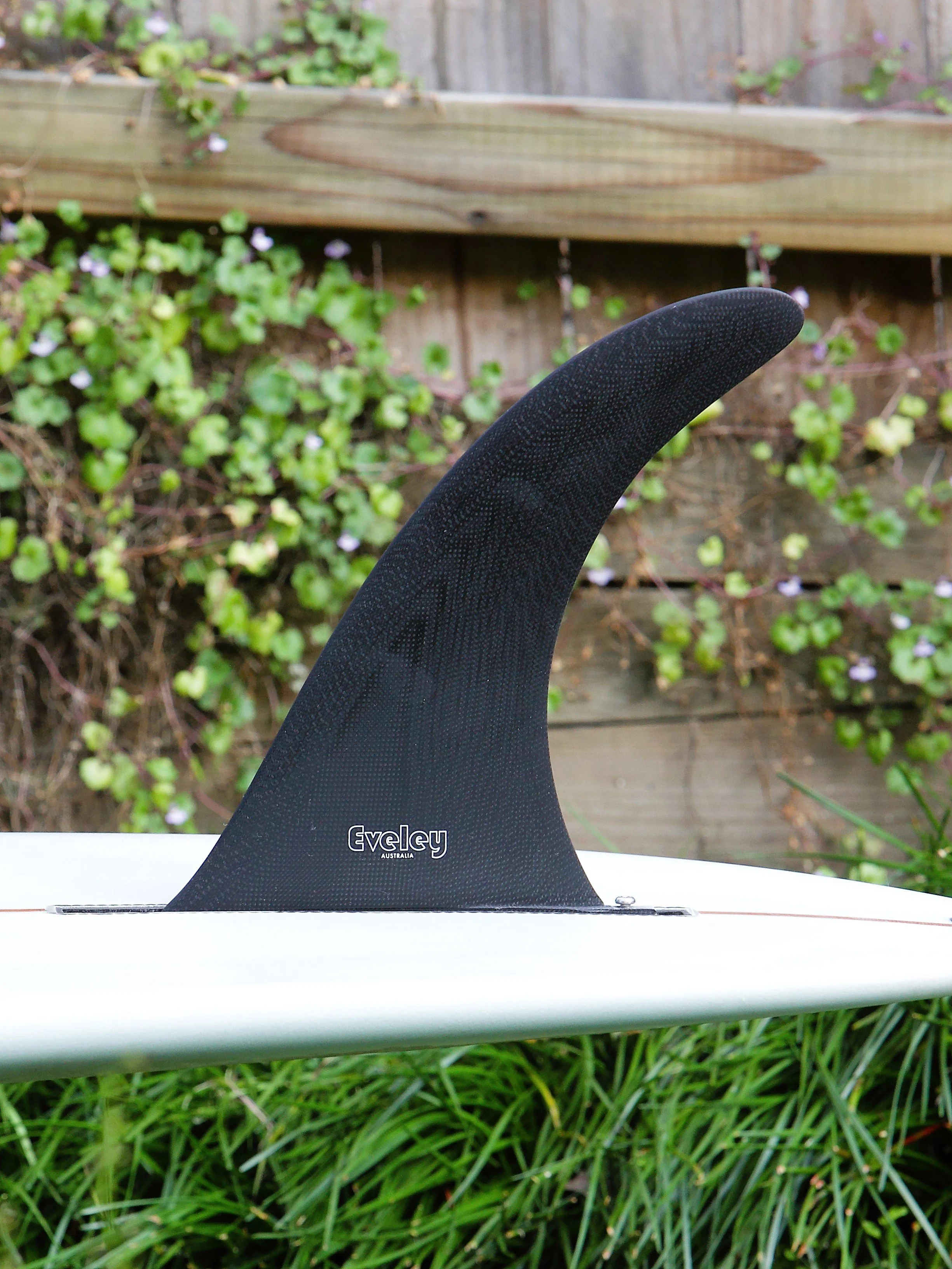
Few longboard fin debates are as common as:
4A vs Logger — which longboard fin holds better?
Both templates are trusted classics.
Both are designed for single-fin longboards.
But they deliver different levels of:
Tail hold
Trim stability
Turning control
Noseriding performance
If you’re deciding between a 10″ International 4A fin and a 10.5″ Logger fin, this guide explains exactly how they differ — and which one suits your board and waves.
Understanding the Templates
What Is a 4A Fin?
The 4A template is widely considered the most versatile longboard fin ever designed.
It features:
A full base for drive
Moderate rake for drawn-out turning arcs
A rounded tip for smooth release
The 4A blends hold and manoeuvrability, making it ideal for surfers who want both trim and turning freedom.
What Is a Logger Fin?
A Logger template is purpose-built for:
Maximum tail anchoring
Traditional noseriding
Classic trim stability
It typically has:
Greater depth (often 10″–10.5″+)
A more upright profile
Increased surface area
This design emphasises hold over agility.
Which Fin Holds Better in the Pocket?
Pure Tail Hold
If the goal is:
Maximum stability while perched on the nose
Strong tail anchor in steep pockets
👉 The Logger fin holds better.
The extra depth and upright area increase resistance against side-slip.
In traditional peeling waves, this translates to:
Longer nose rides
Greater stability
Reduced drift
Balanced Hold for Everyday Surf
If you want:
Reliable hold
But not at the expense of turning
👉 The 4A holds more than enough for moderate noseriding while remaining easier to manoeuvre.
For most surfers, the 4A offers the best balance between control and flow.
Turning Response Comparison
4A Turning Feel
The 4A:
Pivots smoothly
Maintains trim speed through arcs
Feels predictable rail-to-rail
It allows the board to:
Turn without feeling stiff
Maintain glide
Transition naturally between trim and cutback
Logger Turning Feel
The Logger:
Turns more slowly
Draws longer arcs
Feels planted and stable
It excels in:
Controlled, classic surfing
Down-the-line trimming
Minimal radical direction changes
If you prefer dynamic turning, the Logger may feel restrictive.
Noseriding Performance
When the Logger Wins
In:
Clean point waves
Steep pocket sections
Traditional log surfing
The Logger’s added area provides:
Strong tail lock
Extended tip time
Increased lift at slow speeds
This is where the Logger clearly outperforms the 4A.
When the 4A Is Enough
In:
Shoulder-high everyday waves
Mixed beach break conditions
Surfers blending trim and turns
A 10″ 4A provides:
Reliable tail hold
Occasional noseriding stability
Much greater versatility
For many surfers, this makes it the better all-round choice.
Board Type Matters
Heavy Traditional Logs (9'4"+)
Best choice:
Logger fin
Maximises the board’s natural trim and stability.
Performance Longboards
Best choice:
4A pivot fin
Balances hold with quicker turning response.
Mid-Length Single-Fins
Best choice:
4A template
Maintains flow without excessive stiffness.
Fin Size Comparison
10″ 4A Fin
Tail Hold: Strong and reliable in most waves
Turning Speed: Turns smoothly and reasonably quickly
Trim & Glide: Feels fast and flowing down the line
Noseriding: Holds well for casual to moderate nose rides
Versatility: Very adaptable — works in a wide range of conditions
10.5″ Logger Fin
Tail Hold: Maximum hold — very stable in the pocket
Turning Speed: Slower and more drawn-out turns
Trim & Glide: Extremely stable and planted feel
Noseriding: Best choice for long, secure nose rides
Versatility: More specialised — best for traditional style surfing
In simple terms:
The 4A is the better all-round fin.
The Logger is better if your priority is maximum nose-riding stability.
Which Fin Should You Choose?
Choose the 4A if you:
Want an everyday all-round fin
Blend trim with turning
Surf varied conditions
Choose the Logger if you:
Prioritise noseriding
Ride traditional logs
Surf clean peeling waves regularly
FAQ
Does a Logger fin always hold better than a 4A?
Yes, in pure noseriding scenarios.
But the 4A often holds sufficiently while offering better manoeuvrability.
Is a 4A better for beginners?
Often yes, because it provides balanced performance without feeling stiff.
Can you nose ride effectively with a 4A?
Absolutely — especially in the 10″ size range.
Conclusion
In the debate of 4A vs Logger longboard fin — which holds better?
The answer is clear:
For maximum tail anchor and dedicated noseriding, the Logger holds better.
For balanced trim, turning freedom, and everyday versatility, the 4A is often the smarter choice.
Most surfers benefit from the 4A’s versatility.
Dedicated traditionalists will appreciate the Logger’s uncompromising hold.
Understanding how each template behaves allows you to tune your longboard for your waves — not just follow tradition.