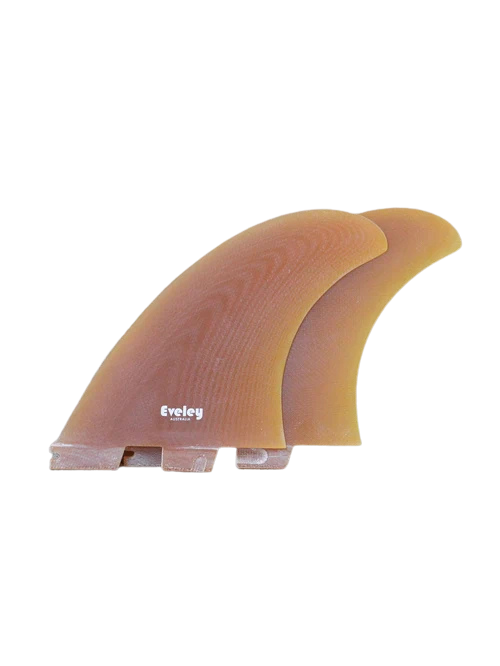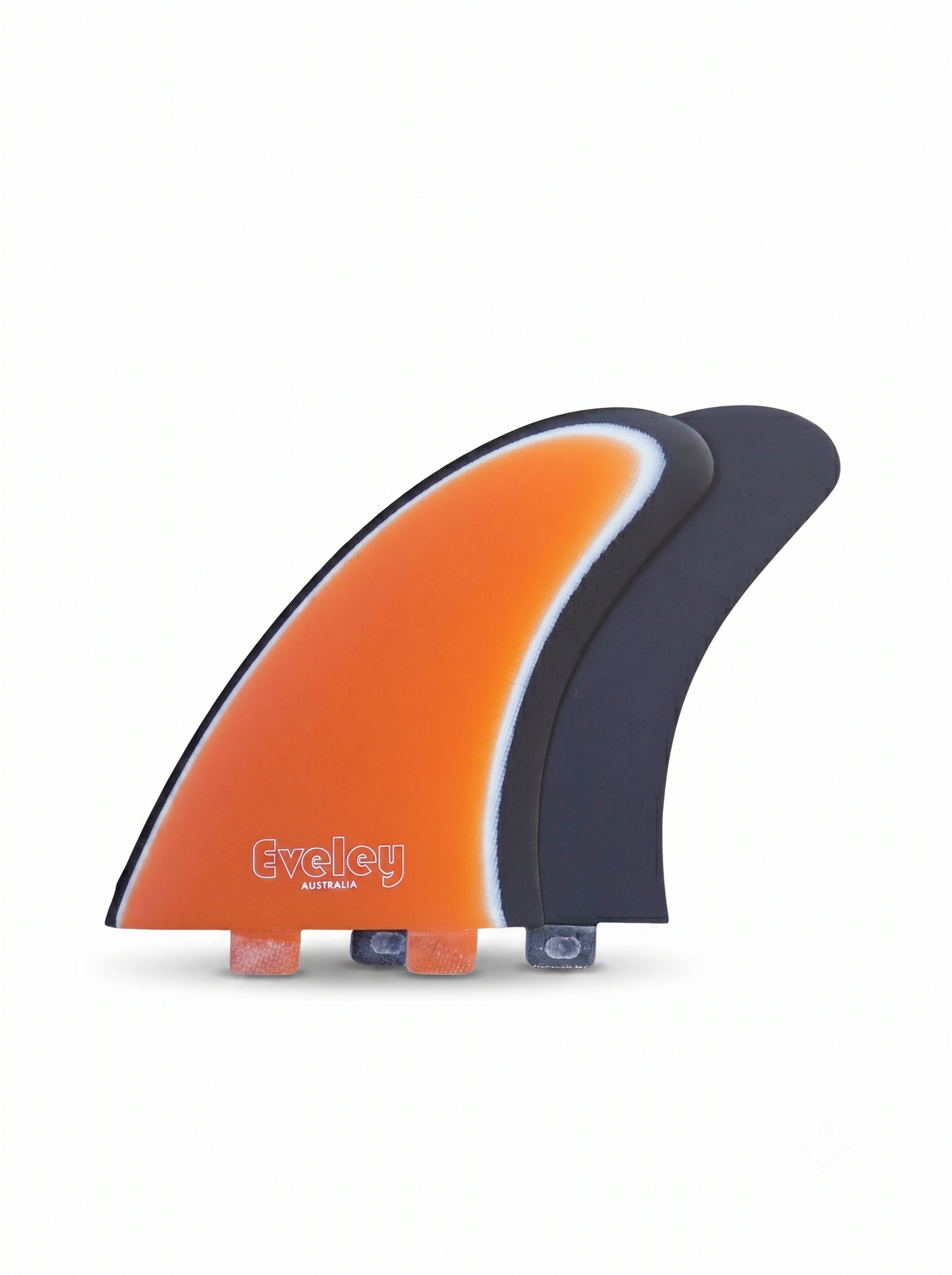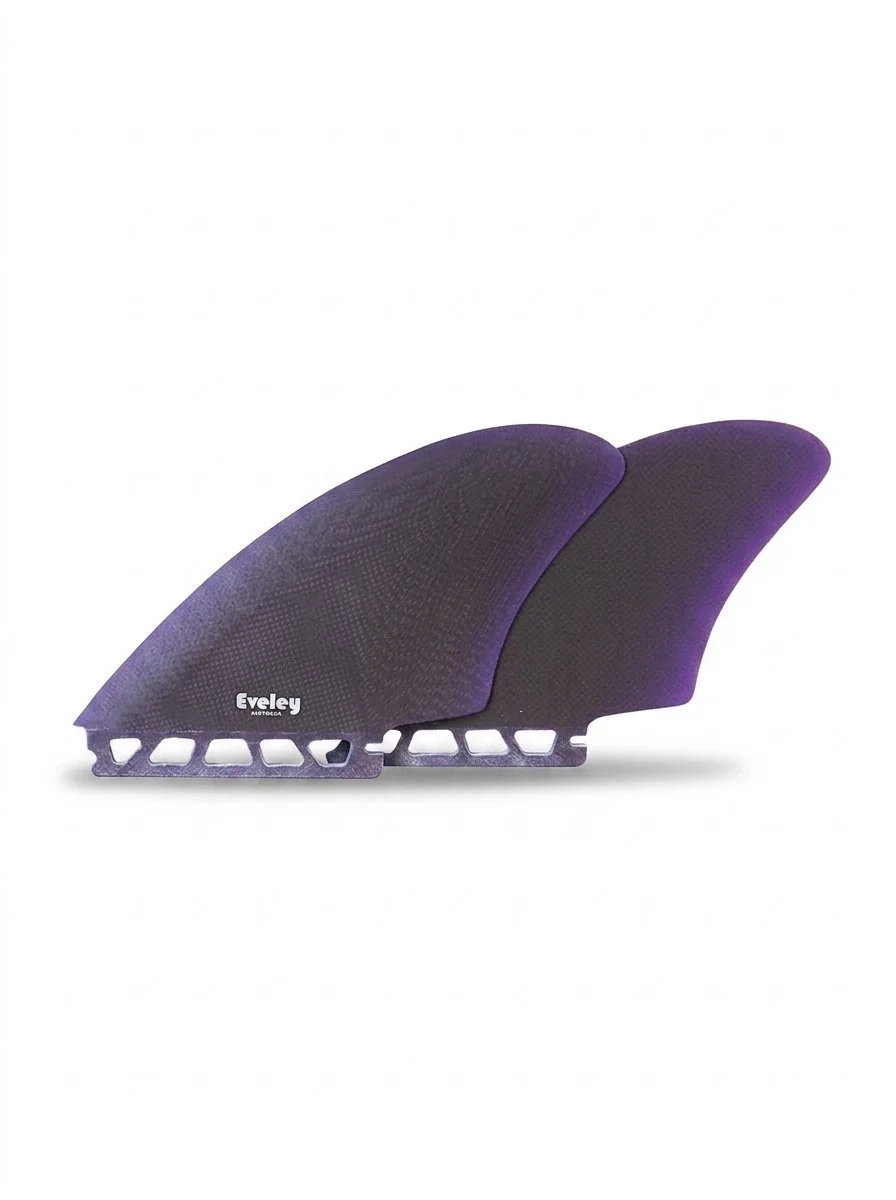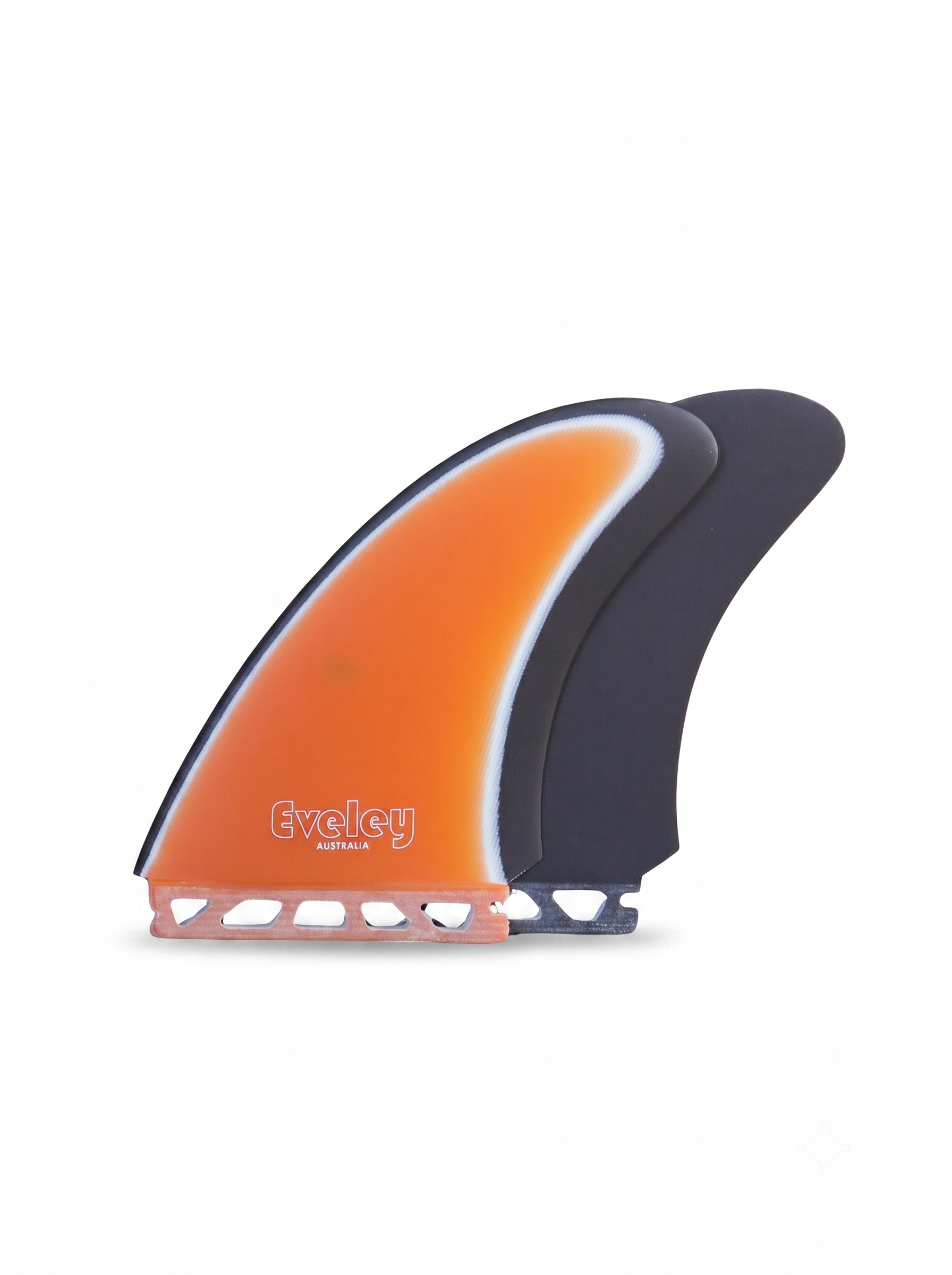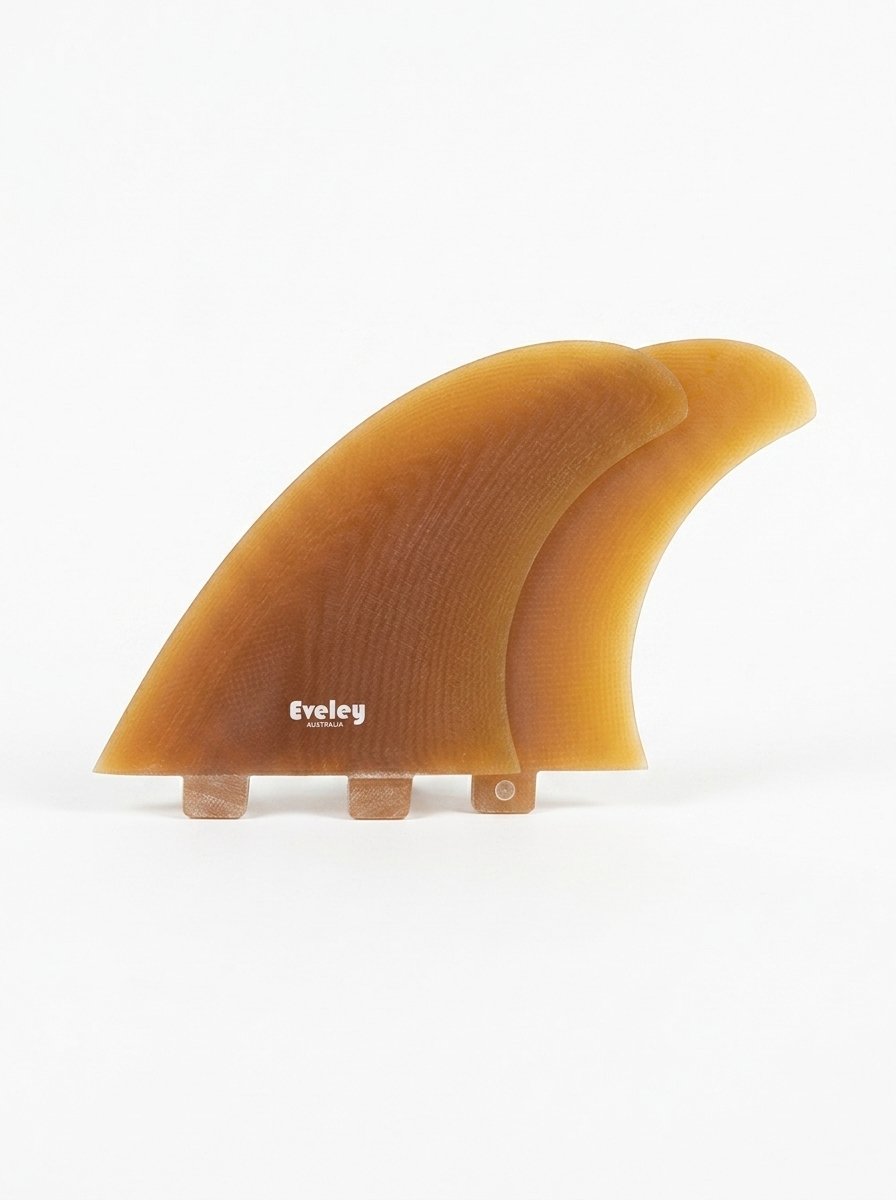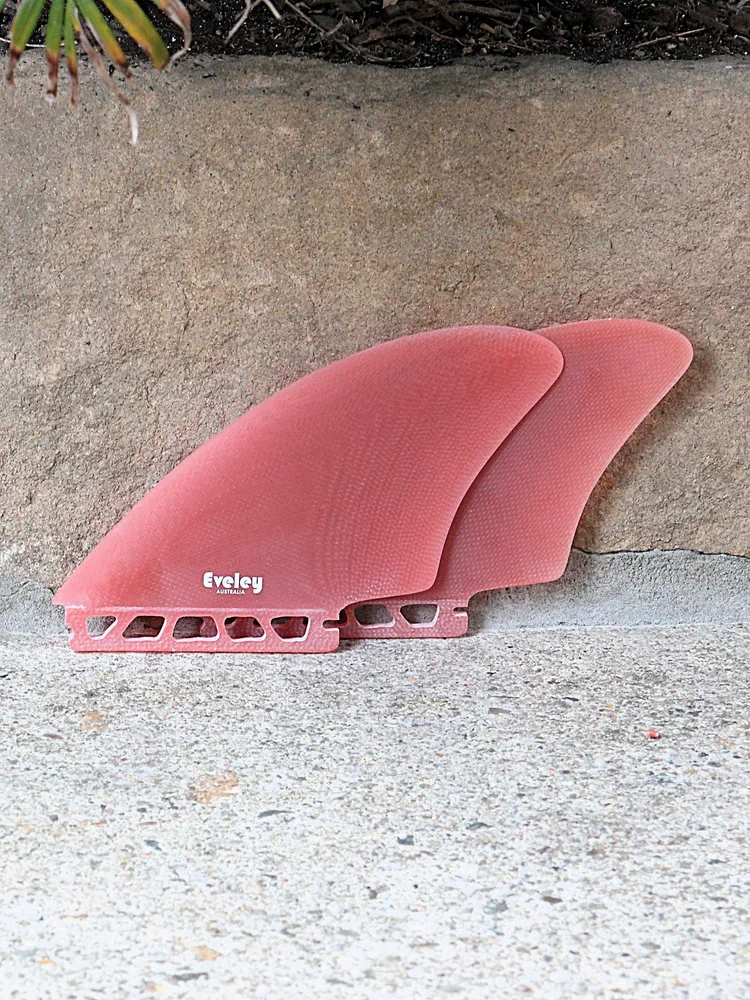
Twin Fin Surfing Guide Australia — Speed, Flow, and Modern Control
Surfboard Fins Guide: Understanding Twin Fin Performance
New to surfboard fins? Start with the complete Surfboard Fin Guides overview.
Twin fins are no longer just retro fish equipment.
Understanding the difference between classic keels and modern upright twins is essential.
Traditional Keel Twins
Keel fins are:
Long and low
Wide at the base
Strongly raked
Heavily foiled
How They Ride
They produce:
Massive down-the-line speed
Strong hold during trim
Smooth, drawn-out turns
Limited vertical pivot
Best suited to:
Retro fish shapes
Wide swallow tails
Small to medium clean waves
Flow-based surfing styles
Keels reward patience, line choice, and rail surfing.
Upright Performance Twins
Modern twins evolved to increase control and manoeuvrability.
They feature:
Shorter height
Narrower base
More upright outline
Reduced rake
How They Ride
They deliver:
Faster turning radius
Easier vertical surfing
Tighter pocket control
More predictable release
Best suited to:
Hybrid shortboards
Twin-plus-trailer setups
Performance-oriented surfing
Wider wave range
These are the twins that blurred the line between retro freedom and shortboard precision.
Twin Fin + Trailer (2+1 Twin) — The Modern Bridge
One of the biggest design shifts in the past decade is the twin with trailer configuration.
Adding a small rear stabiliser fin creates:
Extra hold through turns
More control at speed
Reduced slide in critical sections
But importantly:
Speed remains high
Rail flow stays smooth
The board still feels like a twin
This setup is ideal for surfers who want:
Twin speed with near-thruster control.
Popular Eveley Trailer Fin: 3.5" Classic
When Twin Fins Work Best
Twin fins shine in specific conditions.
Small, Clean Waves
This is their natural environment.
They help you:
Generate speed without pumping
Glide through flat sections
Maintain momentum on weak faces
Perfect for:
Beach breaks
Summer surf
Soft point waves
Open Faces and Long Walls
Because twins favour drawn-out lines, they excel on:
Point breaks
Reeling reefs
Long running shoulders
They encourage:
Flow instead of attack.
Medium Surf With the Right Board
Modern twins can handle more power than many surfers expect — especially with:
Upright templates
Stiffer materials
Trailer stabilisers
Still, they remain less secure than thrusters in steep, critical surf.
When a Thruster Is Still Better
Twin fins are not universal.
Thrusters outperform twins in:
Steep pocket surfing
Late drops
Vertical snaps
Heavy waves
Strong back-foot pressure styles
This isn’t a weakness — it’s design specialisation.
Choosing fins is about matching equipment to conditions and style, not ranking one setup above another.
How Fin Size Changes Twin Performance
Fin size is one of the most misunderstood aspects of twin surfing.
Larger Twins
Provide:
More drive
More hold
Better control in stronger waves
Stability for heavier surfers
But reduce:
Release
Playfulness
Smaller Twins
Provide:
Easier turning
More looseness
Faster rail-to-rail feel
But reduce:
Projection
Control at speed
The Real Rule
Choose twin size based on:
Surfer weight
Board width and volume
Wave power
Not marketing labels.
How Fin Construction Affects Feel
Material choice dramatically changes twin behaviour.
Fibreglass / Pro Glass
Delivers:
Predictable flex
Strong drive
Smooth energy return
Classic feel
Best for:
Flow, trim, and reliable control.
Carbon-Enhanced Fins
Provide:
Increased stiffness
Faster response
More projection in turns
Best for:
Performance twins and powerful surfing.
Honeycomb / Composite
Offer:
Lighter weight
Softer flex
Forgiving feel
Best for:
Playful small-wave surfing.
Matching Twin Fins to Board Types
Retro Fish
Use:
Large keel twins
For:
Maximum speed and glide.
Hybrid Groveller
Use:
Upright twins or twin + trailer
For:
Small-wave speed with turning control.
Performance Twin Shortboard
Use:
Medium upright twins
Often with trailer
For:
Modern high-speed surfing.
Common Twin Fin Mistakes
Twin fins must match your fin system. This Futures fin compatibility guide explains what fits Futures boxes.
Choosing Twins for Heavy Waves
They may feel exciting — until control disappears.
Using Keels on Performance Boards
Creates too much draw and not enough pivot.
Ignoring Fin Size
Leads to instability or stiffness.
Expecting Thruster Behaviour
Twins reward flow, not force.
The Real Philosophy of Twin Surfing
Twin fins change how you surf.
They encourage:
Earlier take-offs
Smoother lines
Rail engagement
Style over aggression
Speed through trim rather than pumping
In many ways, twins reconnect surfing to its most fluid foundations.
Are Twin Fins Right for You?
Twin fins are ideal if you want:
More speed in weak waves
A smoother, flowing style
Less reliance on back-foot force
A different feeling from thrusters
They may not suit you if you prefer:
Tight vertical snaps
Heavy critical surfing
Maximum control in steep waves
Popular Side Fins
1.4" Runner Side Fins / Mini Quad Rears – Pro Glass White | FCS Compatible
Delve Deeper
How Fin Templates Affect Performance
Rip Curl Pro Bells Beach: Australia’s Most Iconic Championship of Surfboard Fins and Power Surfing
Final Thoughts — Why Twin Fins Matter
Twin fins are not just a retro trend.
They are a distinct performance pathway that continues to evolve through:
Modern templates
Advanced materials
Hybrid stabiliser setups
New board designs
Understanding twins gives you more than another fin option.
It expands how you experience speed, flow, and freedom on a wave.
And that is why twin fins remain one of the most important — and enjoyable — choices in surfing.
Futures™ is a registered trademark of Futures Fins. Eveley Surf is not affiliated with or endorsed by Futures Fins. All compatibility references to Futures Fins are for descriptive purposes only.
FCS™ and FCSII™ are registered trademarks of Surf Hardware International Pty Ltd. Eveley Surf is not affiliated with or endorsed by Surf Hardware International Pty Ltd. All compatibility references to FCS and FCSII are for descriptive purposes only.