
Surfboard Fin Materials Guide

New to surfboard fins? Start with the complete Surfboard Fin Guides overview.
Fiberglass vs Composite vs Carbon Explained
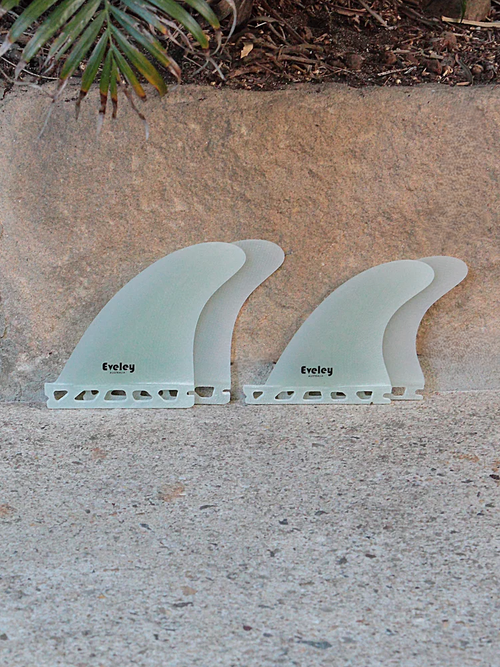
Choosing the right surfboard fin material has a direct effect on how a board feels under your feet.
While template, size, and fin setup determine the overall behaviour of a surfboard, material controls flex, response, durability, and long-term consistency.
This guide explains the three dominant construction types used in modern surfboard fins:
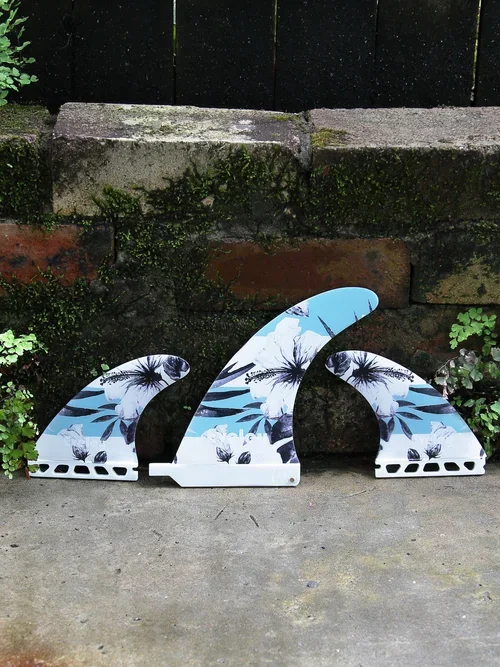
Fiberglass (Pro Glass)
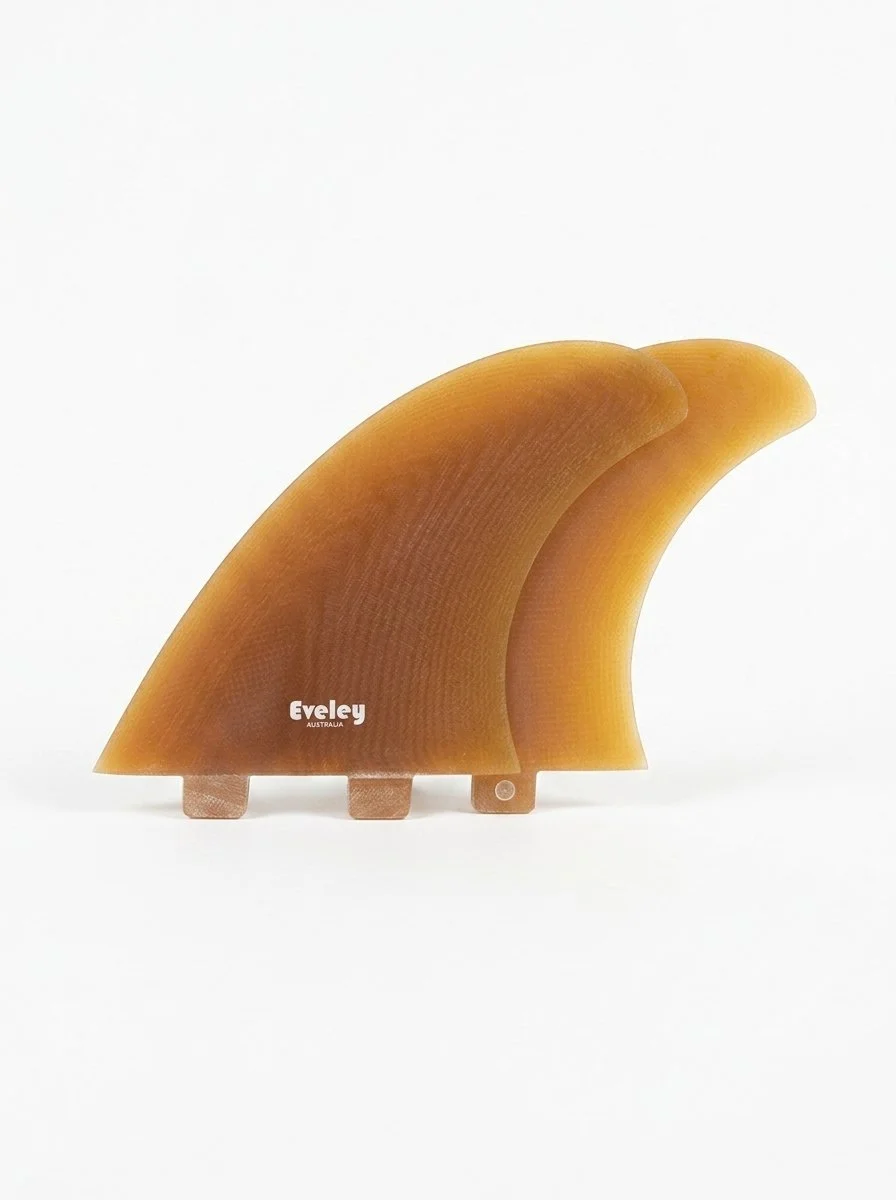
Composite / Honeycomb
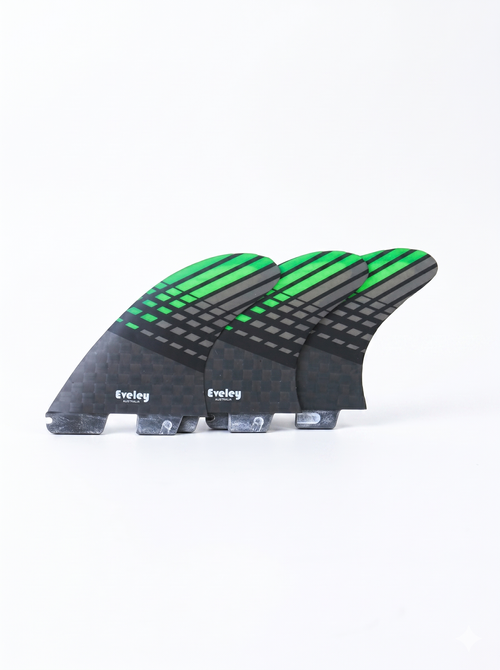
Carbon-reinforced constructions
By the end, you’ll know which material suits your surfing, wave conditions, and board type.
Why fin material matters more than most surfers think
Many surfers focus on fin size or brand, but overlook construction.
Material determines:
Flex pattern through a turn
Speed generation vs control
Release at the end of manoeuvres
Durability over time
Consistency between sessions
Two fins with identical templates can feel completely different purely because of construction.
That’s why experienced surfers often settle on a preferred material rather than endlessly changing templates.
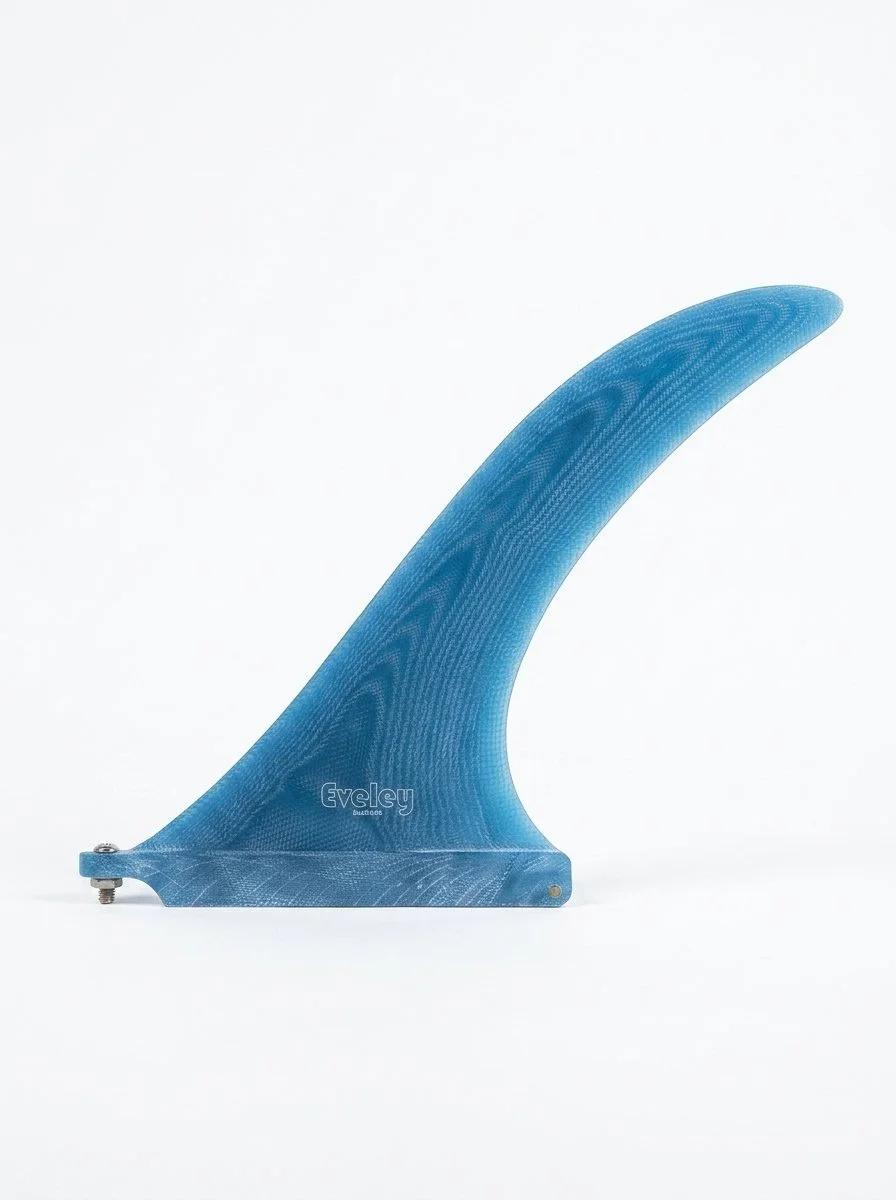
Fiberglass fins (Pro Glass)
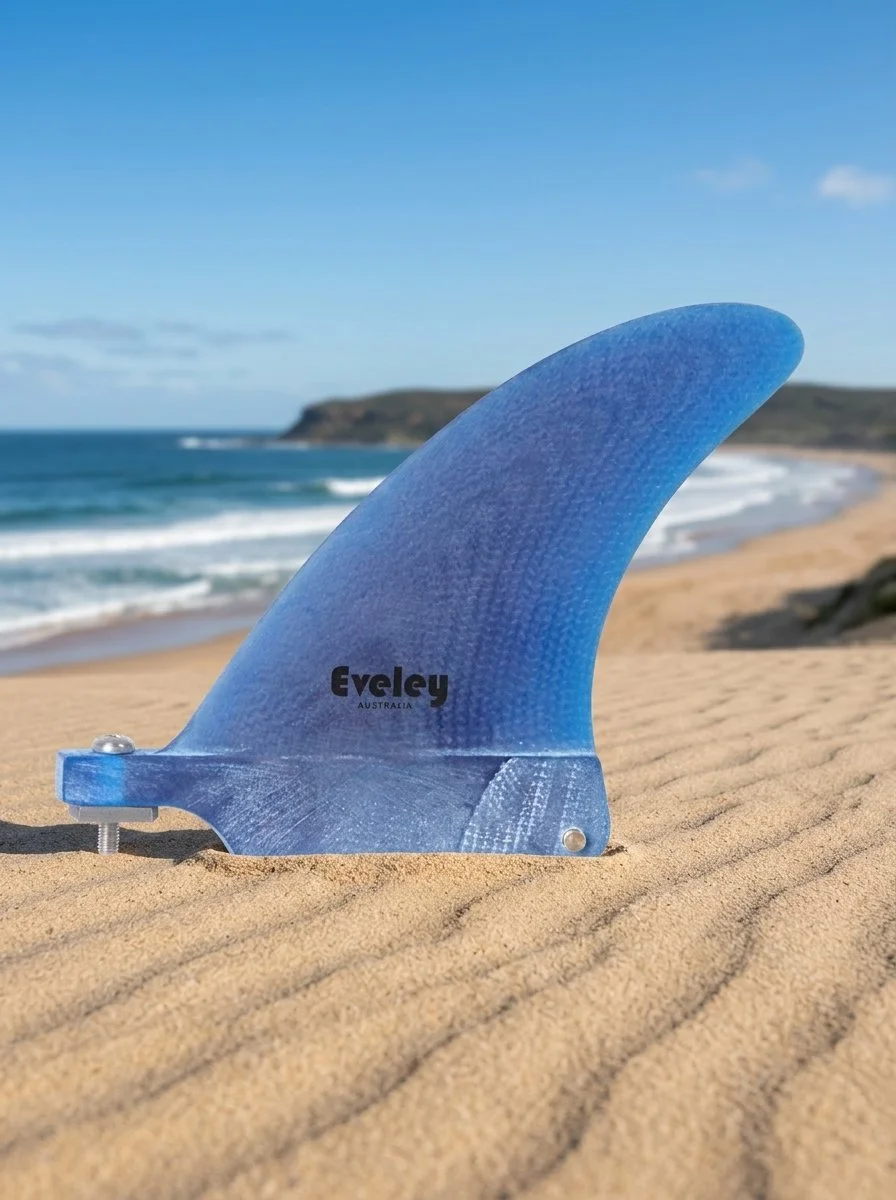
What fiberglass fins are
Traditional fiberglass fins are built from layered glass cloth saturated with resin, then precision-foiled and finished.
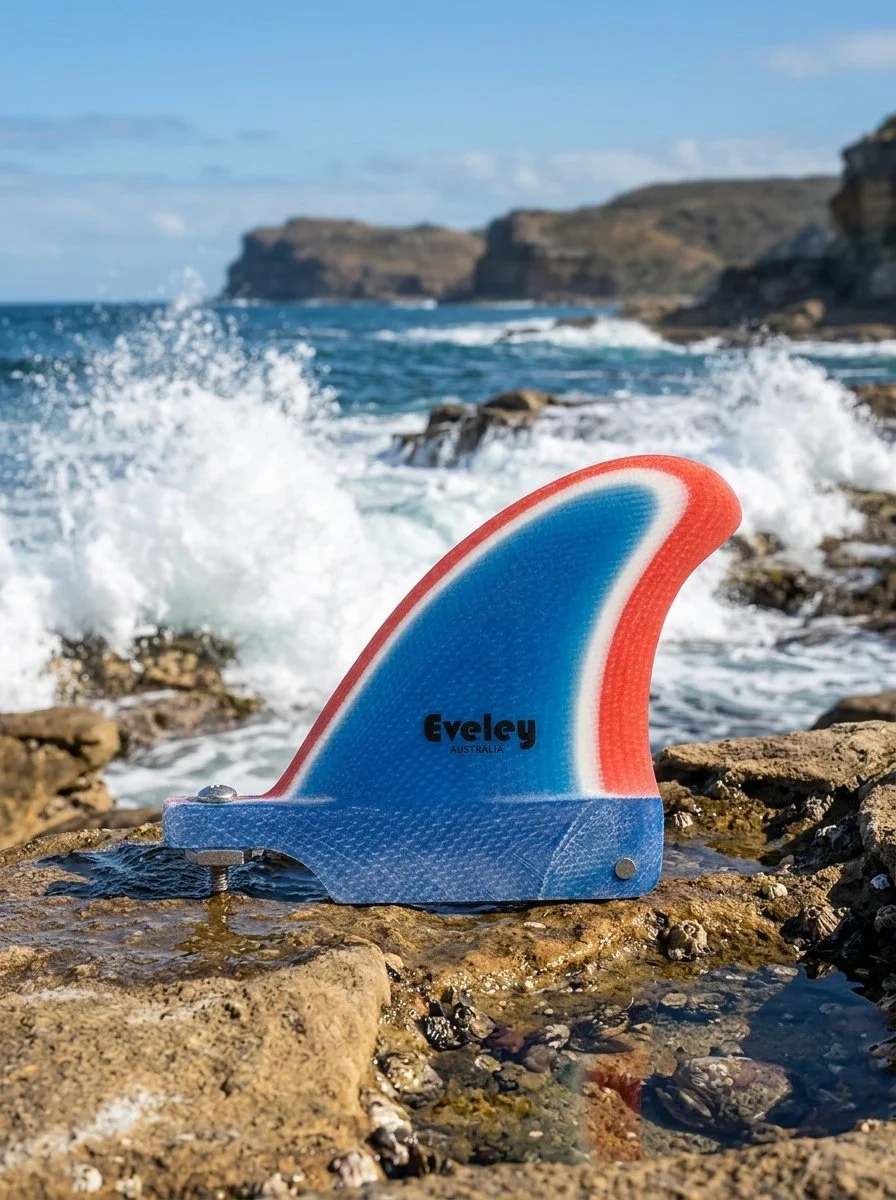
This construction is commonly called:
Pro Glass
Solid fiberglass
Hand-foiled fiberglass
It’s the original performance fin material and remains the benchmark for feel and control.
How fiberglass fins perform
Fiberglass produces a progressive, predictable flex:
Stiff at the base for drive and hold
Controlled flex through the mid-section
Smooth release off the tip
This creates the classic sensation surfers describe as:
“Connected to the wave.”
Key performance traits:
Strong down-the-line projection
Smooth rail-to-rail transitions
Clean turn completion
Reliable behaviour in powerful surf
Durability and lifespan
Fiberglass fins are:
Highly impact-resistant
Structurally stable over time
Less prone to sudden failure than lightweight composites
They may show cosmetic scuffs, but performance remains consistent for years.
This long-term reliability is why fiberglass is still preferred by:
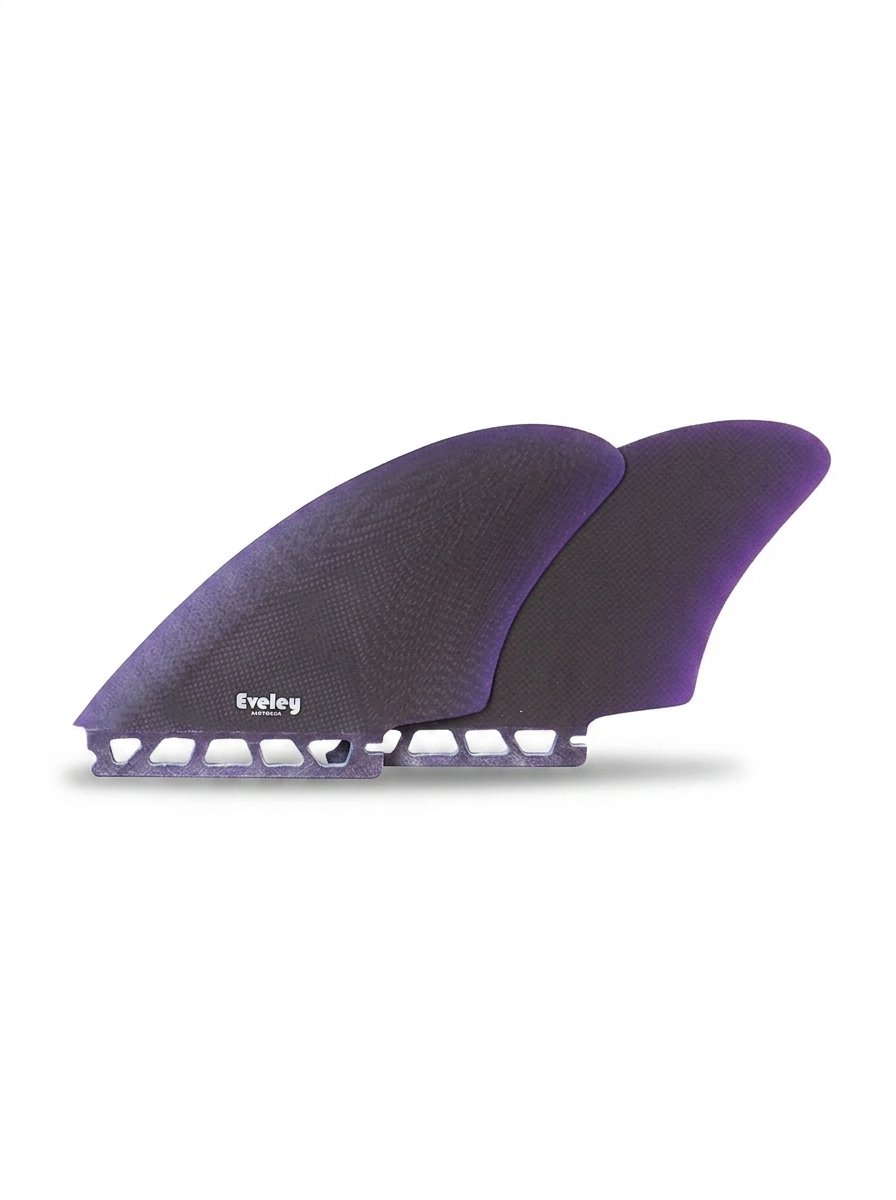
Experienced surfers
Shapers
Performance longboard riders
Surfers in powerful waves
Best surfers and conditions for fiberglass
Fiberglass fins suit:
Intermediate to advanced surfers
Performance surfing
Point breaks and clean waves
Heavier or more powerful surf
Longboards and mid-lengths needing control
They are ideal when feel and projection matter more than light weight.
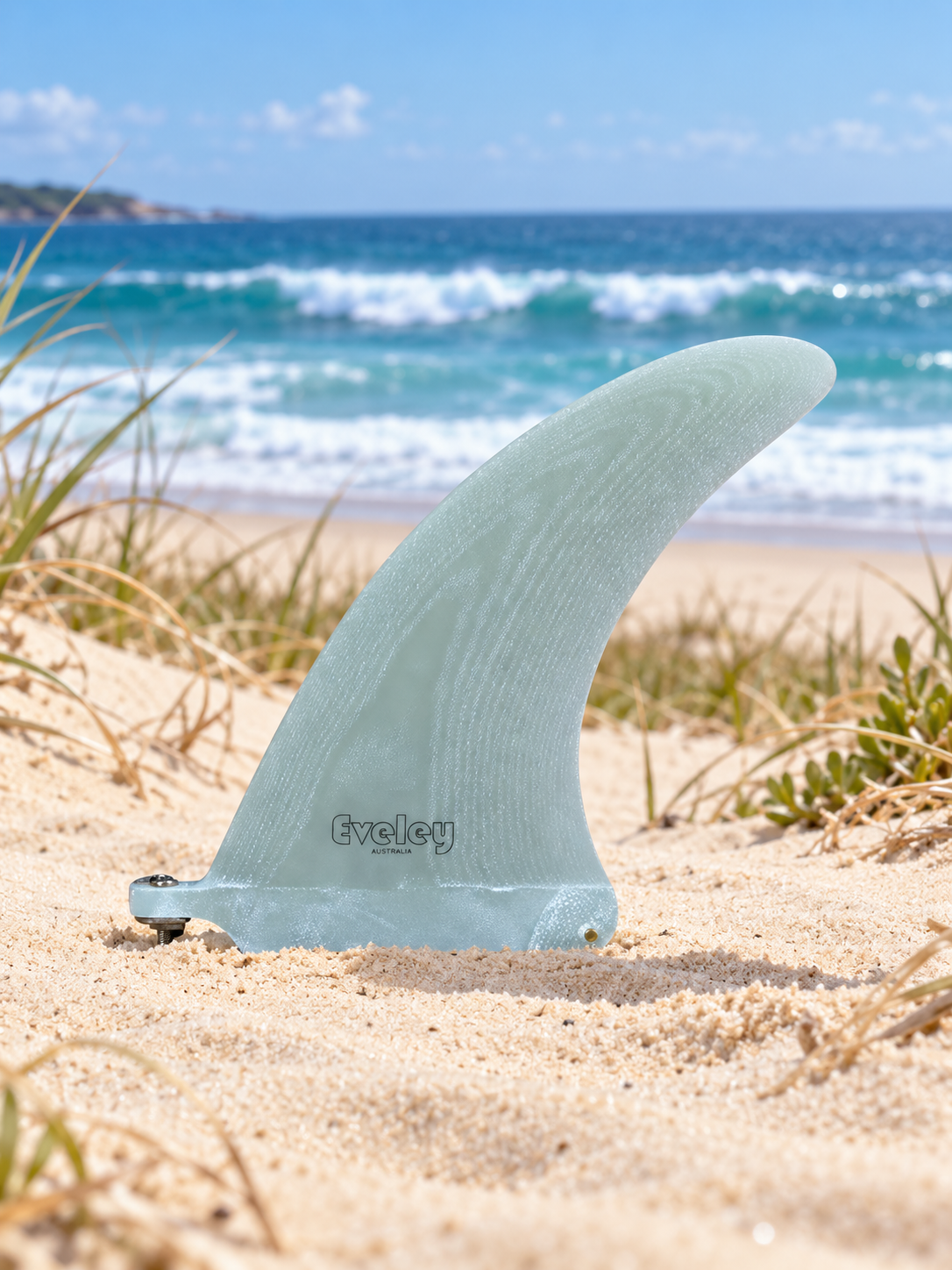
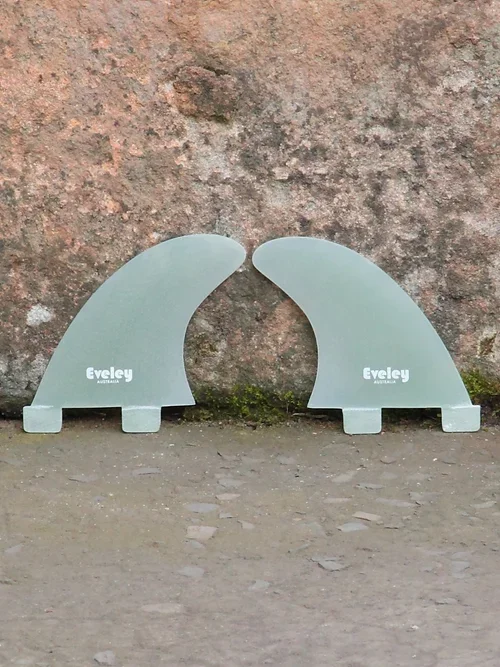
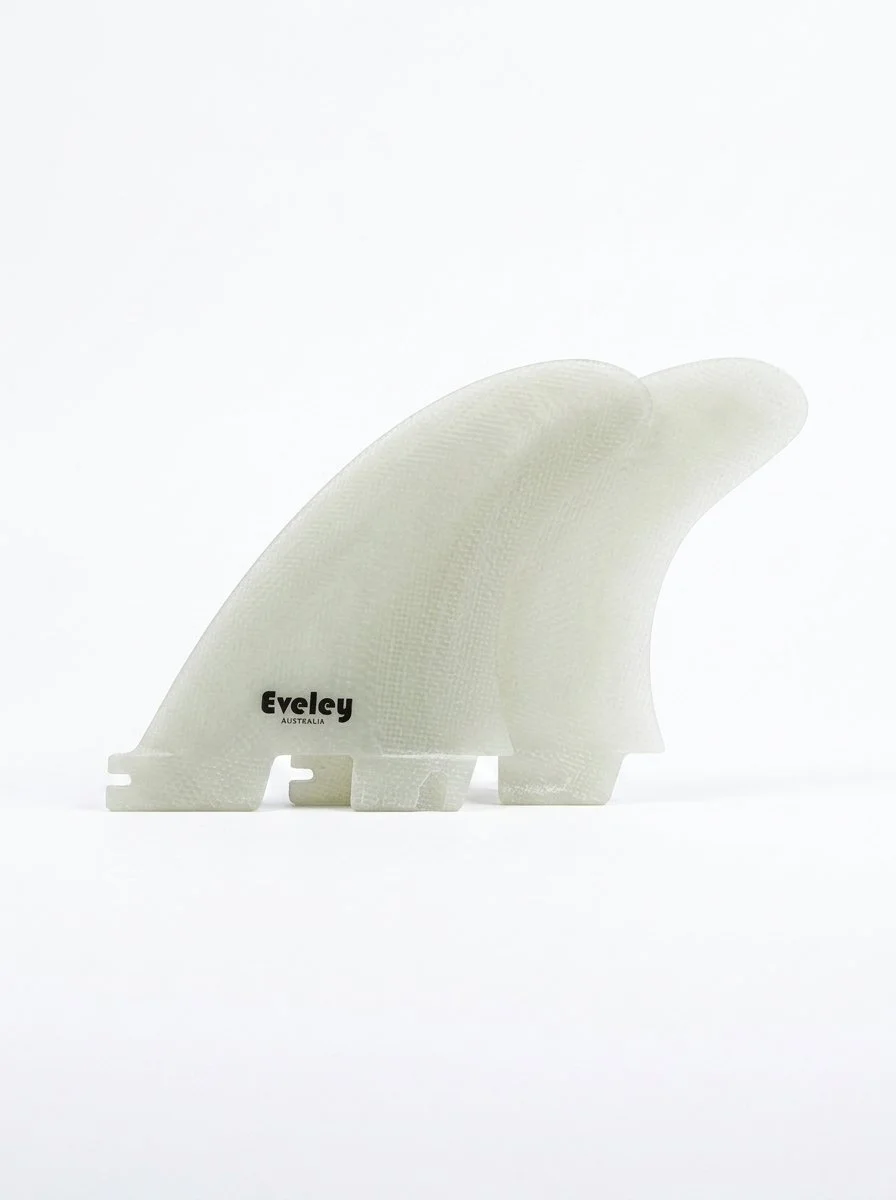
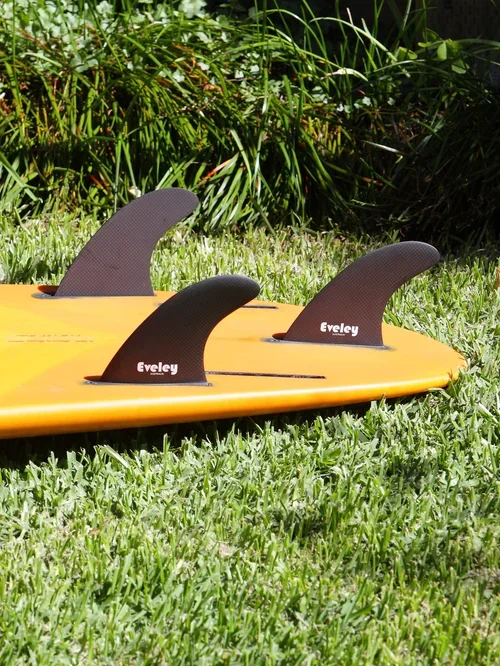
Examples: 3.6" Classic Side Surfboard Fins – Mid Blue Pro Glass | Futures Compatible
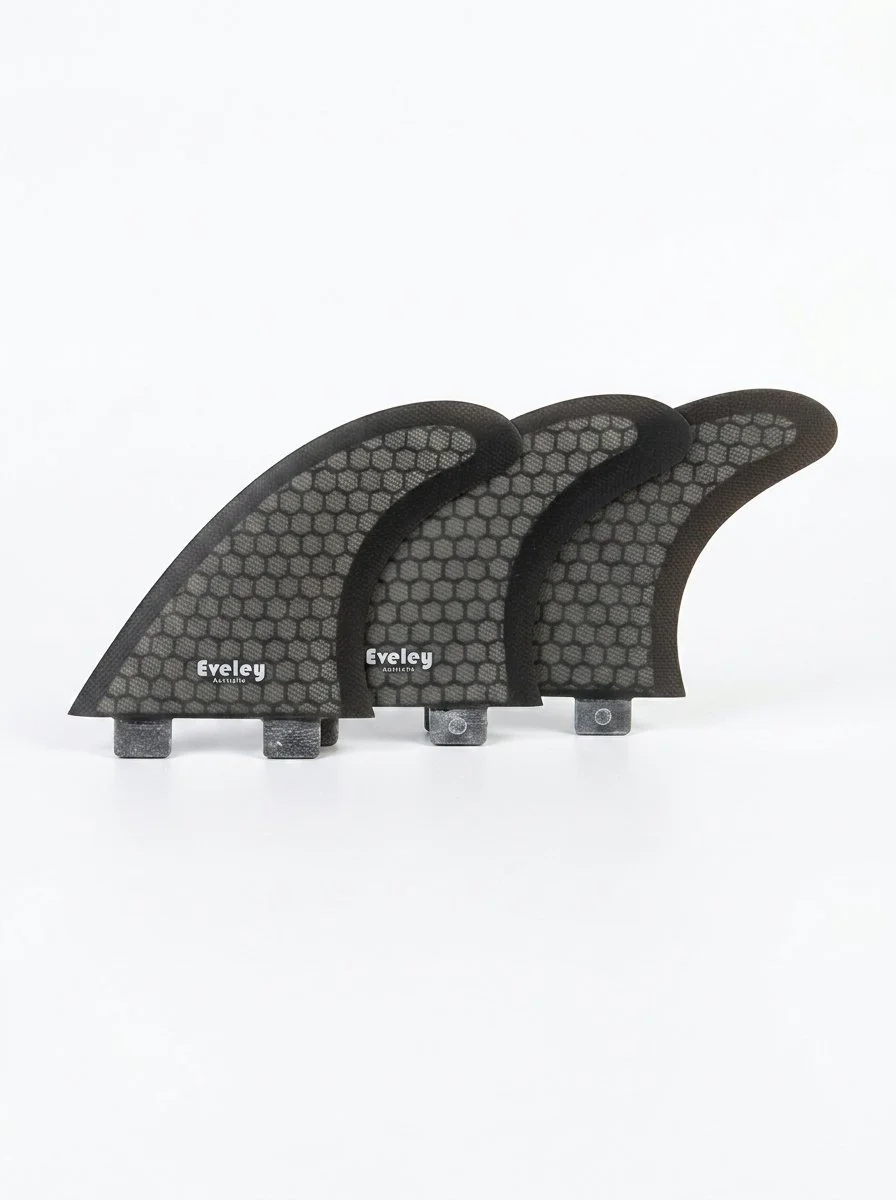
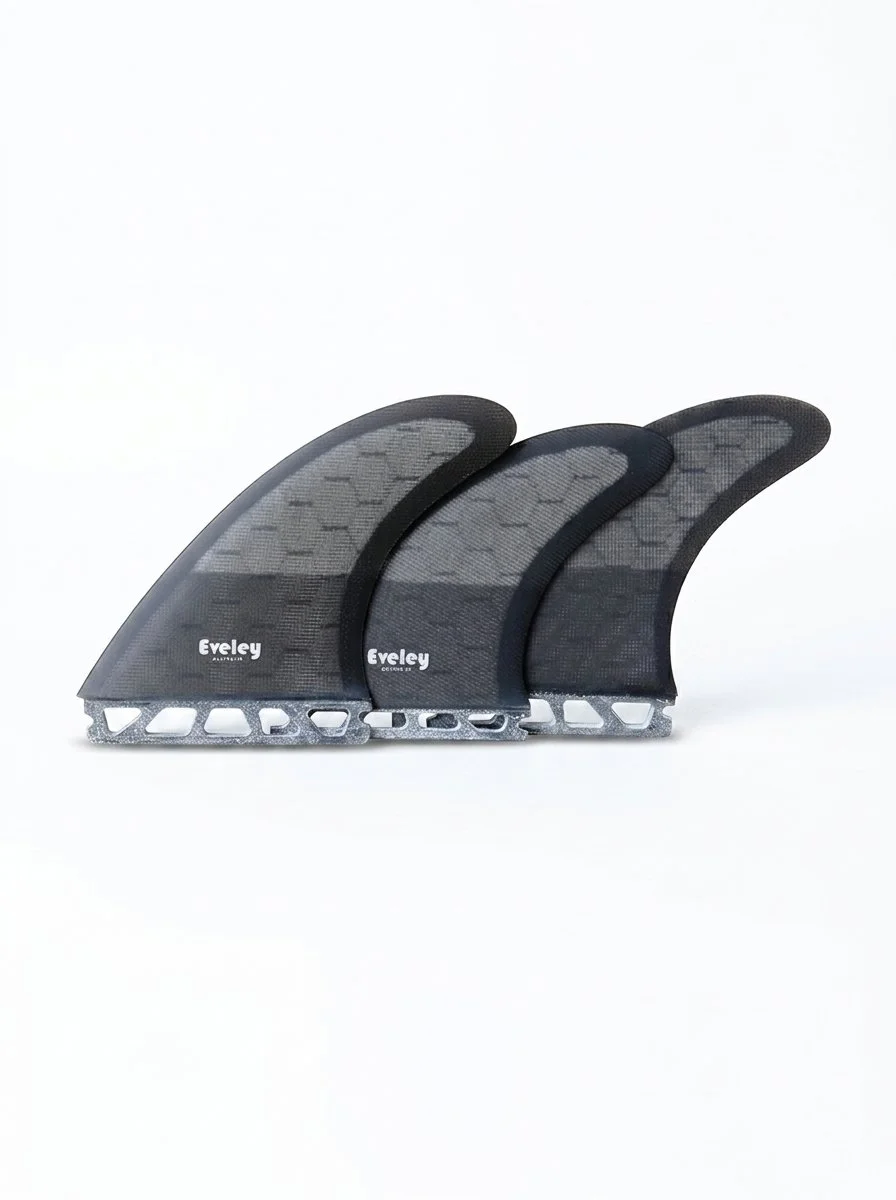
Composite / honeycomb fins
What composite fins are
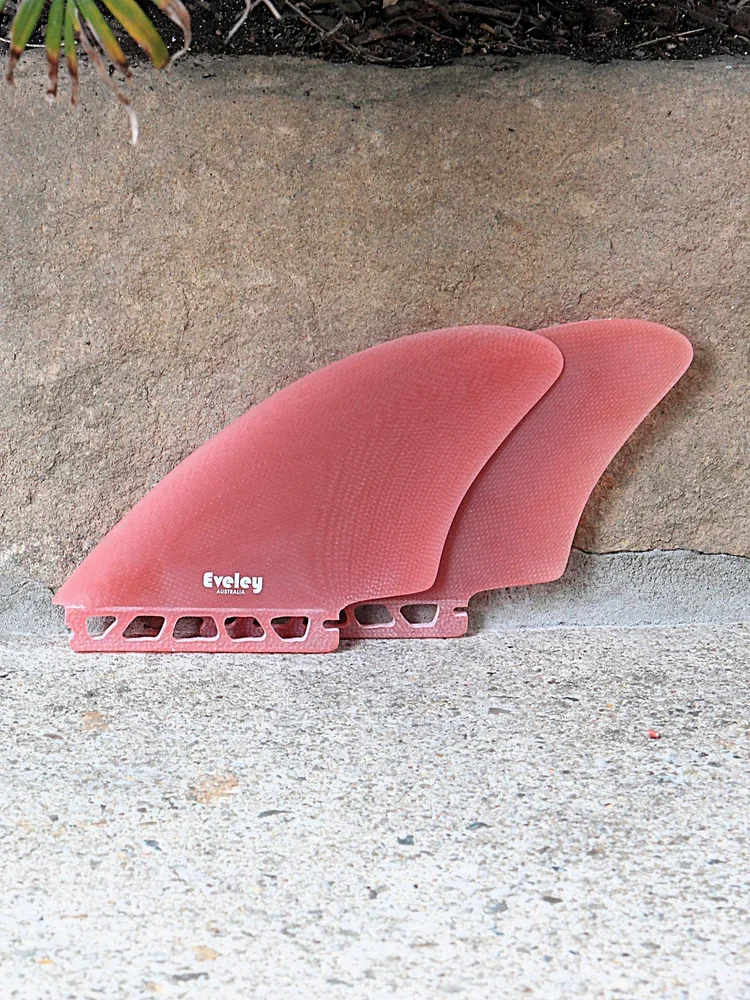
Composite fins use:
Plastic or polymer bases
Internal foam or honeycomb cores
Fiberglass surface layers
They’re engineered to be:
Lightweight
Responsive
Affordable to manufacture
How composite fins perform
Because they’re lighter and thinner, composite fins feel:
Quick and lively
Easier to pivot in small waves
Less powerful through long carving turns
Flex is typically:
Softer overall
Faster to rebound
Less smooth under heavy load
This makes them popular for:
Small-wave surfing
Beginners
Beach breaks
Surfers wanting a loose feel
Durability trade-offs
Compared with fiberglass:
More prone to tip damage
Can feel less consistent over time
Structural fatigue appears sooner under heavy surfing
However, they offer:
Lower cost
Reduced weight
Easy accessibility for casual surfers
Best surfers and conditions for composites
Composite fins work well for:
Beginner to intermediate surfers
Small or weak waves
Surfers prioritising looseness and light feel
Budget-conscious buyers
They’re less suited to power surfing or large waves.
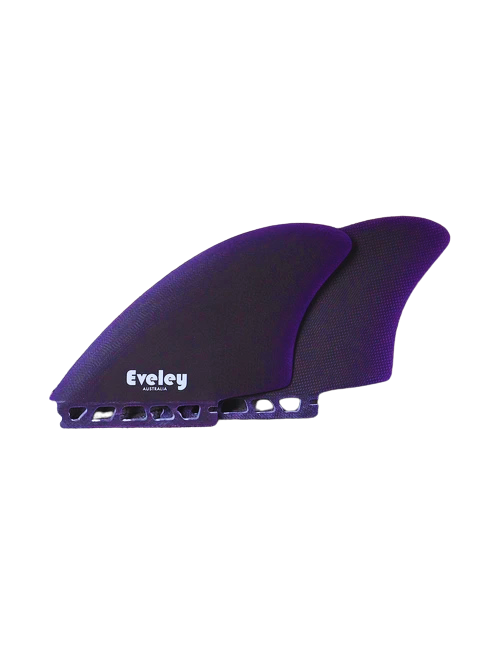
Carbon and carbon-reinforced fins (TekFlex)
What carbon construction means
Carbon fins combine:
Fiberglass structure
Carbon fibre strips or panels
Reinforced bases or rails
Carbon is added to:
Increase stiffness
Accelerate response
Reduce twist under load
Performance characteristics
Carbon-reinforced fins feel:
Very fast
Highly responsive
Extremely stable at speed
But also:
Less forgiving
Can feel stiff or skatey in weak waves
Require good technique to control
They shine when surfing:
Steep, powerful waves
High-speed point breaks
Performance shortboards at full speed
Who carbon fins suit
Best for:
Advanced surfers
Power surfing
Fast, critical waves
Riders wanting maximum projection and precision
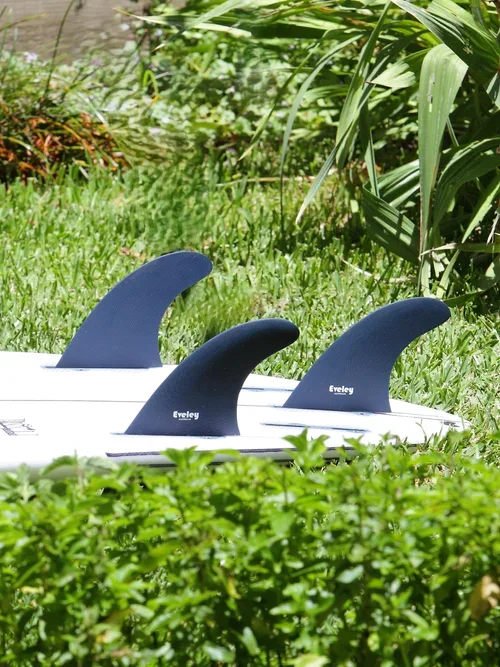
Example: 4.75" MF Thruster Fins – Carbon Fiber TekFlex | Futures Compatible
Not ideal for:
Beginners
Soft summer surf
Surfers preferring smooth flex
Direct comparison: fiberglass vs composite vs carbon
Flex feel
Fiberglass: smooth, controlled, predictable
Composite: soft, lively, less powerful
Carbon: stiff, immediate, highly reactive
Speed generation
Fiberglass: strong, flowing projection
Composite: quick in small waves, limited in power
Carbon: fastest in clean, powerful surf
Forgiveness
Fiberglass: balanced and reliable
Composite: very forgiving
Carbon: least forgiving
Durability
Fiberglass: longest lifespan
Composite: moderate
Carbon: structurally strong but performance-specific
Which material should you choose?
Choose fiberglass if you want:
Classic connected feel
All-round performance
Long-term durability
Confidence in powerful waves
For most committed surfers, fiberglass is the benchmark choice.
Choose composite if you want:
Lightweight looseness
Easy turning in small waves
Lower cost
Beginner-friendly response
Best suited to casual or small-wave surfing.
Choose carbon if you want:
Maximum speed and projection
Ultra-fast response
Performance in steep, powerful surf
Ideal for advanced, high-performance surfing.
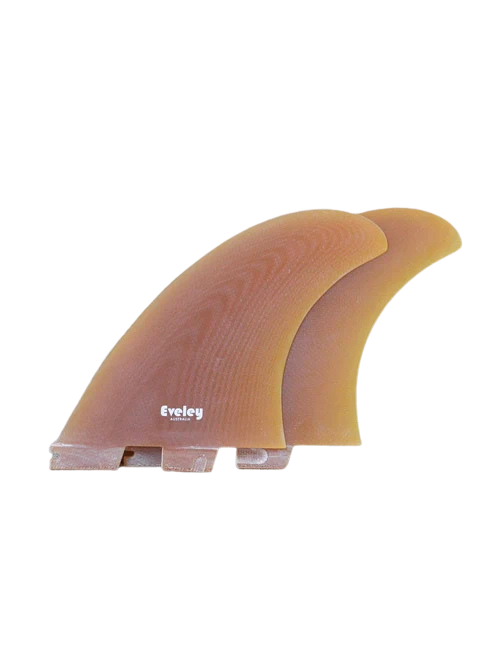
Why Eveley focuses on Pro Glass fiberglass
Eveley fins prioritise solid fiberglass construction because it delivers:
The most predictable real-world performance
Long-term structural reliability
Consistent flex patterns surfers trust
True performance feel across conditions
Rather than chasing ultra-light marketing trends, the focus remains on:
Control, projection, and durability in the water.
That’s why Pro Glass continues to define the core Eveley fin range.
Final takeaway
Surfboard fin material shapes how a board:
Accelerates
Turns
Holds
Releases
In simple terms:
Fiberglass = balance and performance
Composite = looseness and accessibility
Carbon = speed and precision
For most surfers seeking true performance and longevity,
fiberglass remains the gold standard.
Popular Quad Fins
4.5" / 4" Contemporary Quad Fins – Natural Pro Glass Futures Compatible
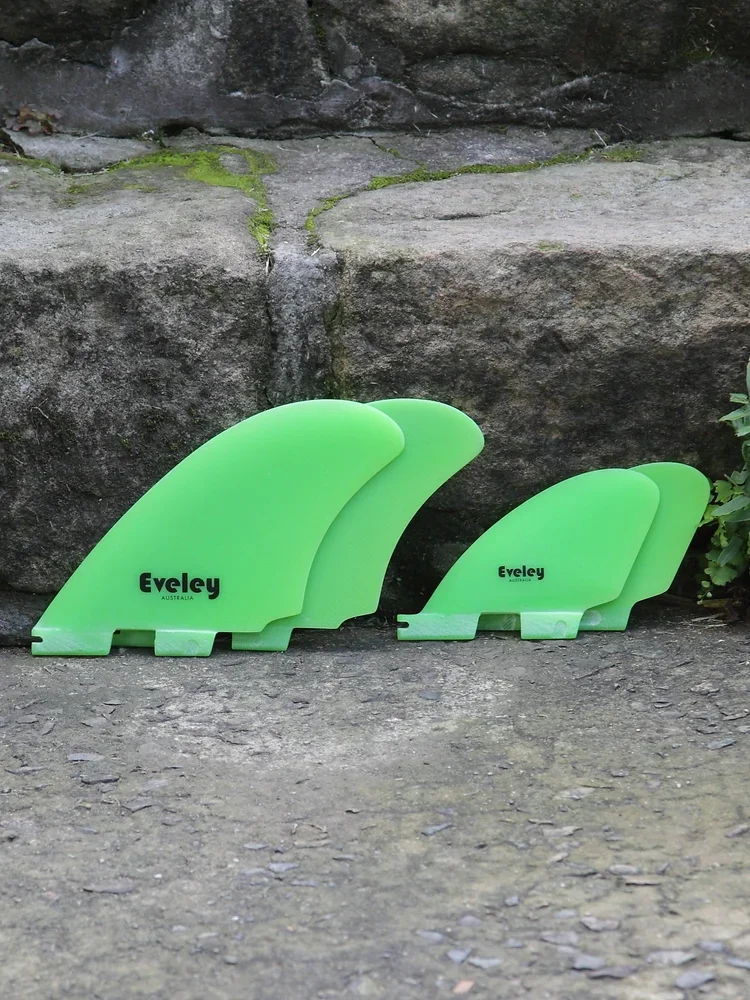
4.9" / 3.1" RM Quad Surfboard Fins – Bright Green Pro Glass Speed & Drive | FCS II Compatible
Delve deeper
How Fin Templates Affect Performance
Why the 4A Center Fin Still Dominates Surfboard Fins Performance
Futures™ is a registered trademark of Futures Fins. Eveley Surf is not affiliated with or endorsed by Futures Fins. All compatibility references to Futures Fins are for descriptive purposes only.
FCS™ and FCSII™ are registered trademarks of Surf Hardware International Pty Ltd. Eveley Surf is not affiliated with or endorsed by Surf Hardware International Pty Ltd. All compatibility references to FCS and FCSII are for descriptive purposes only.