
Longboard Surfboard Fins Australia — Single, 2+1, and Performance Options

Longboard surfboard fin configuration has a greater effect on real-world performance than almost any other equipment choice.
While board length, rocker, and rail shape all influence glide and turning response, the fin setup ultimately determines how a longboard holds, pivots, trims, and accelerates across the wave face.
New to surfboard fins? Start with the complete Surfboard Fin Guides overview.
Choosing the correct longboard fin affects stability, turning response, trim speed, and nose-riding control.
This guide explains how fin size, template shape, and placement influence performance so surfers can select the right configuration for their board and wave conditions.
The focus is on three common longboard setups:
Single fin
2+1 configuration
Performance-oriented smaller center fins
Understanding these variables allows accurate fin selection without guesswork.
Recommended Longboard Fins
If you're choosing a longboard fin setup, these proven templates cover most boards and wave conditions:
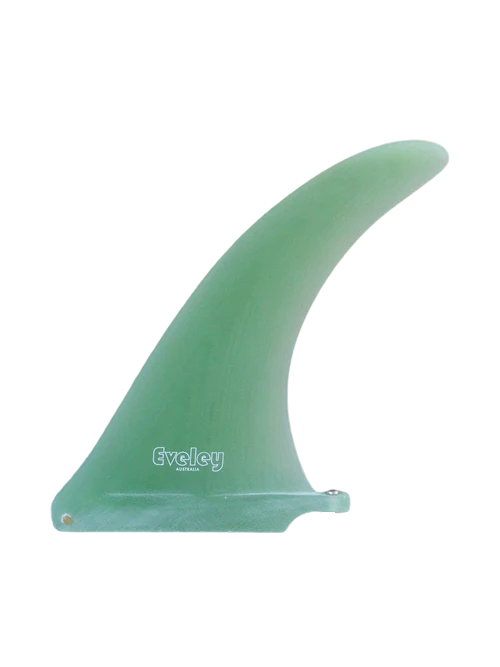
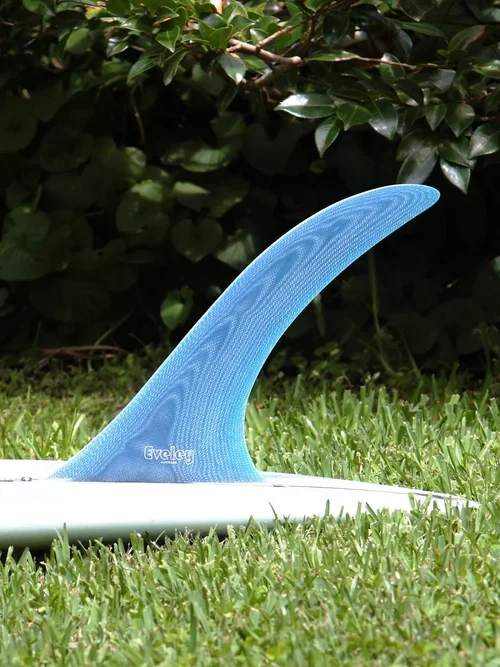
Drive-heavy longboard fin with smooth pivot and controlled release: the Jungle Juice 10.35"
Delivers glide, hold, and timeless style.
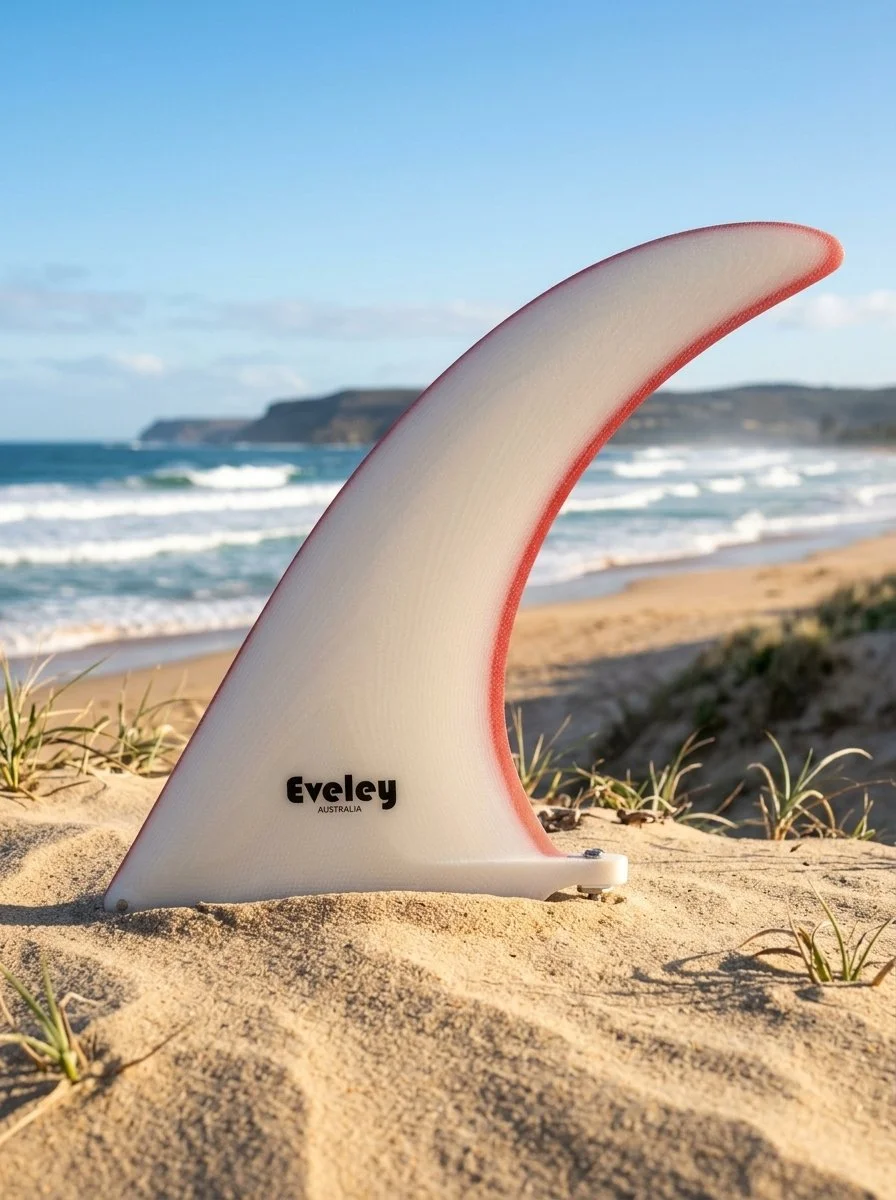
• All-round longboard fin: 10" International 4A Center Fin in black Pro Glass
Balanced hold, trim speed, and smooth carving turns.
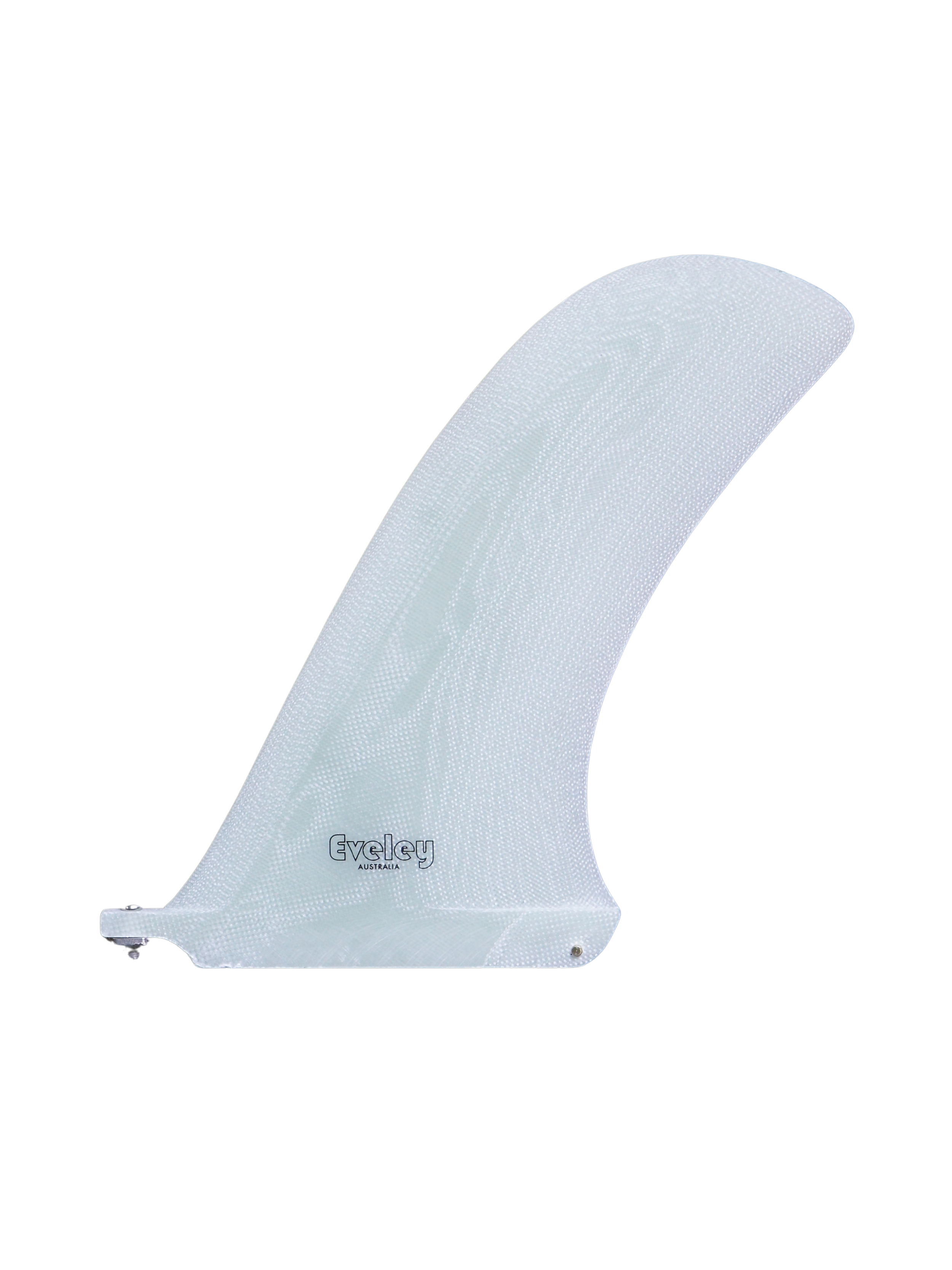
• Performance longboard fin: 8" International 4A Center Fin – Sea Green Pro Glass
Faster turning and reduced drag for modern longboards.
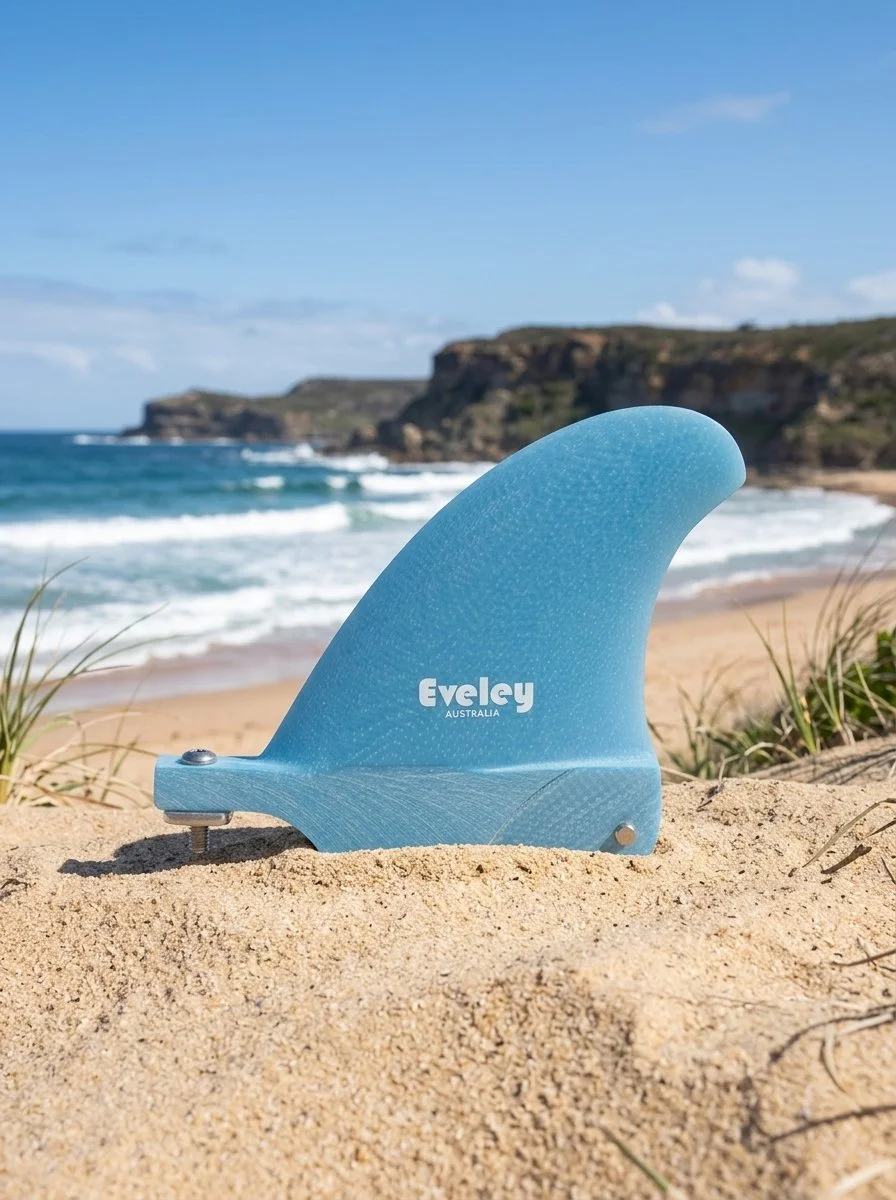
• Small center fin for 2+1 setups: 4" Dynamic Center Fin in natural Pro Glass
Ideal for performance longboards and steeper waves.
Selecting the correct longboard center fin size is one of the most important decisions a surfer can make when tuning board performance.
While template shape, flex, and placement all influence feel, fin size ultimately determines the balance between hold, glide, turning freedom and control.
A properly sized center fin allows the board to:
Trim smoothly without excess drag
Hold steady during noserides
Turn with predictable response
Maintain control across varying wave energy
An incorrect size, by contrast, can make even a well-designed longboard feel stiff, unstable, or unresponsive.
See our How To Choose the Right Longboard Fin Size guide for more information.
Why Fin Configuration Matters on Longboards
Unlike shortboards, longboards rely heavily on directional stability and drawn-out rail engagement. Because of the board’s length and planing area:
Small fin changes create large performance differences
Placement within the sliding center fin box alters turning radius
Side fins can shift the board from classic glide to modern responsiveness
For this reason, experienced longboarders often treat fins as a primary tuning tool, not a fixed accessory.
The Single Fin Setup
The traditional longboard configuration uses one center fin only, positioned in a sliding center fin box.
Performance characteristics
A single fin delivers:
Maximum trim speed and glide
Smooth, drawn-out turns
Strong hold during noseriding
Minimal drag from side fins
Because water flows cleanly along the rail line without interruption, the board feels:
fluid, stable, and classic underfoot.
Fin placement effects
Small adjustments inside the center box dramatically change behaviour:
Further back in the box
More hold and stability
Stronger noseriding control
Slower turning response
Further forward in the box
Looser turning feel
Faster rail-to-rail transitions
Reduced noseride hold
This adjustability is one of the defining advantages of traditional longboard design.
Choosing Maximum Tail Stability for Noseriding, Steep Waves & Classic Trim
When surfers search for a high-hold longboard fin, they are usually chasing one thing:
Stability.
Specifically:
Strong tail anchoring in the pocket
Reduced side-slip during nose rides
Confidence in steeper or faster waves
But “high hold” does not mean the same fin works for everyone.
What Creates High Hold in a Longboard Fin?
Three design variables determine tail stability:
Surface Area
More fiberglass in the water = more resistance against drift.
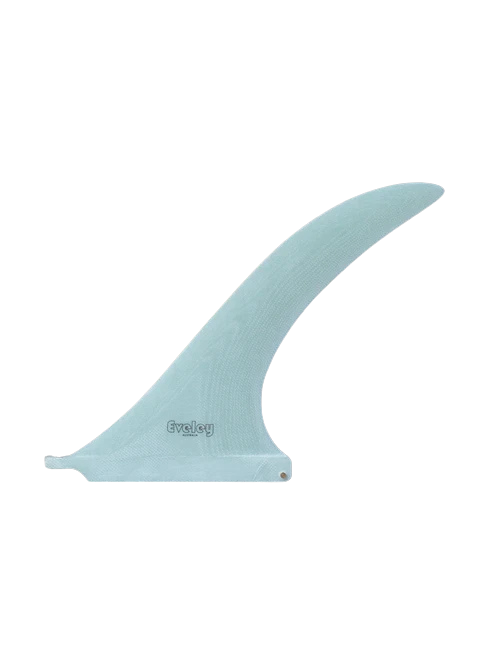
Larger fins:
Lock into the wave face
Increase nose-riding security
Reduce unwanted slide
Template Shape
Upright templates provide:
Faster pivot resistance
Stronger tail anchoring
More rake (swept-back fins):
Increase flow
Reduce stiffness
Slightly reduce hold
Fin Depth
Greater depth:
Extends further into the water
Engages cleaner flow
Increases leverage
For high-hold setups, depth often matters more than width alone.
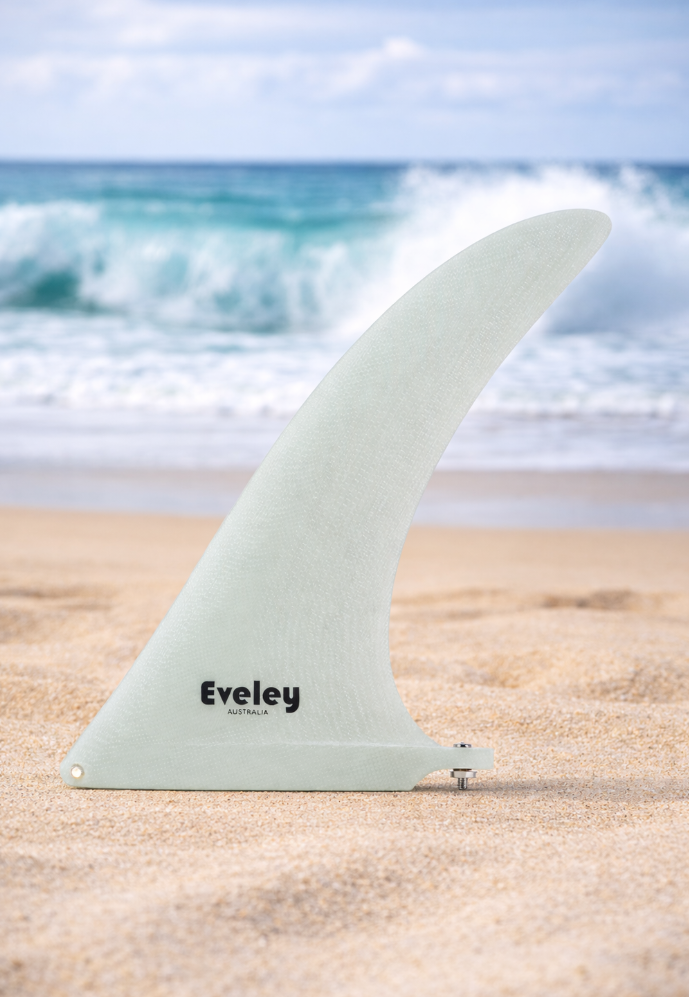
The Four High-Hold Categories
10" Pivot Center Fin – Balanced High Hold
Best for:
Everyday traditional longboarding
Moderate noseriding
Clean shoulder-high waves
Provides:
Strong but manageable hold
Smooth turning arcs
Balanced glide

This is the entry-level high-hold option.
10" 4A Center Fin – Versatile Hold with Flow
Best for:
Surfers blending trim and turning
Mixed conditions
Performance longboards
Provides:
Reliable tail stability
Better drive and rail flow
Less stiffness than logger templates
Why the 4A Center Fin Still Dominates Surfboard Fins Performance
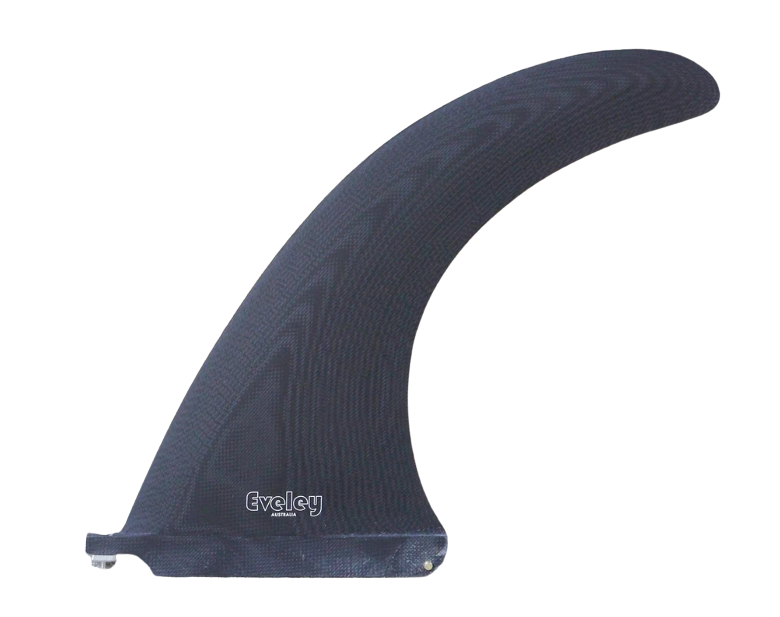
10.35" Ultimate Center Fin – Increased Stability
Best for:
Heavier boards
Surfers wanting more anchor than 10"
Moderate-to-strong noseriding
Provides:
Enhanced pocket control
Stronger trim stability
Still manageable turning
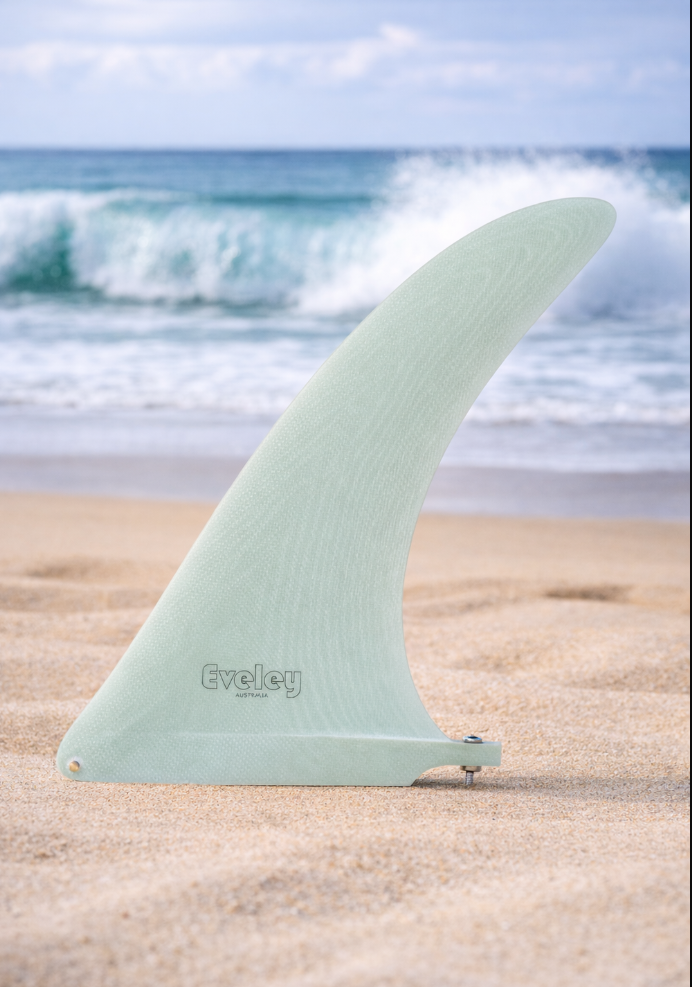
10.5" Logger Fin – Maximum Hold
Best for:
Dedicated noseriders
Steep peeling point waves
Traditional heavy logs
Provides:
Maximum tail lock
Longest nose rides
Strongest pocket anchoring
Most specialised of the group.
Hold vs Turning Trade-Off
High hold increases stability but reduces looseness.
As hold increases:
Turning speed decreases
Rail-to-rail transitions slow
Trim becomes more planted
Choosing the right level of hold means balancing stability against manoeuvrability.
Wave Type Recommendations
Small, Weak Surf
Use moderate hold like the 10" Pivot or International 4A
Too much fin slows the board.
Clean Point Waves
10.35" Jungle Juice or 10.5” Logger performs best.
Stable pocket riding is rewarded.
Steep, Fast Sections
10.5” Logger or larger upright fins provide maximum control.
Supporting Comparison Articles:
Supporting Knowledge Articles:
Supporting Product Pages:
FAQ’s
What size fin gives the most hold?
Generally 10.5" and above in upright templates.
Is more hold always better?
No. Excess hold can reduce speed and turning freedom in smaller waves.
Which fin offers the best balance?
A 10" pivot or 4A often delivers strong hold without excessive stiffness.
A high-hold longboard fin is essential for:
Noseriding stability
Steep wave confidence
Traditional trim control
But not every surfer needs maximum hold.
For most longboarders:
10" Pivot = balanced stability
4A = versatile control
10.35" Ultimate = enhanced hold
Logger = maximum anchor
Understanding this hierarchy allows you to tune your board precisely to your waves — building longboard performance from the tail up.
The 2+1 Longboard Setup
The 2+1 configuration combines:
A center fin in the sliding box.
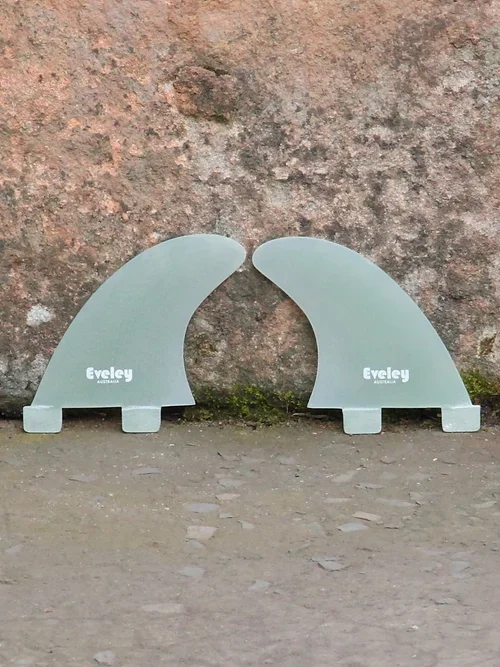
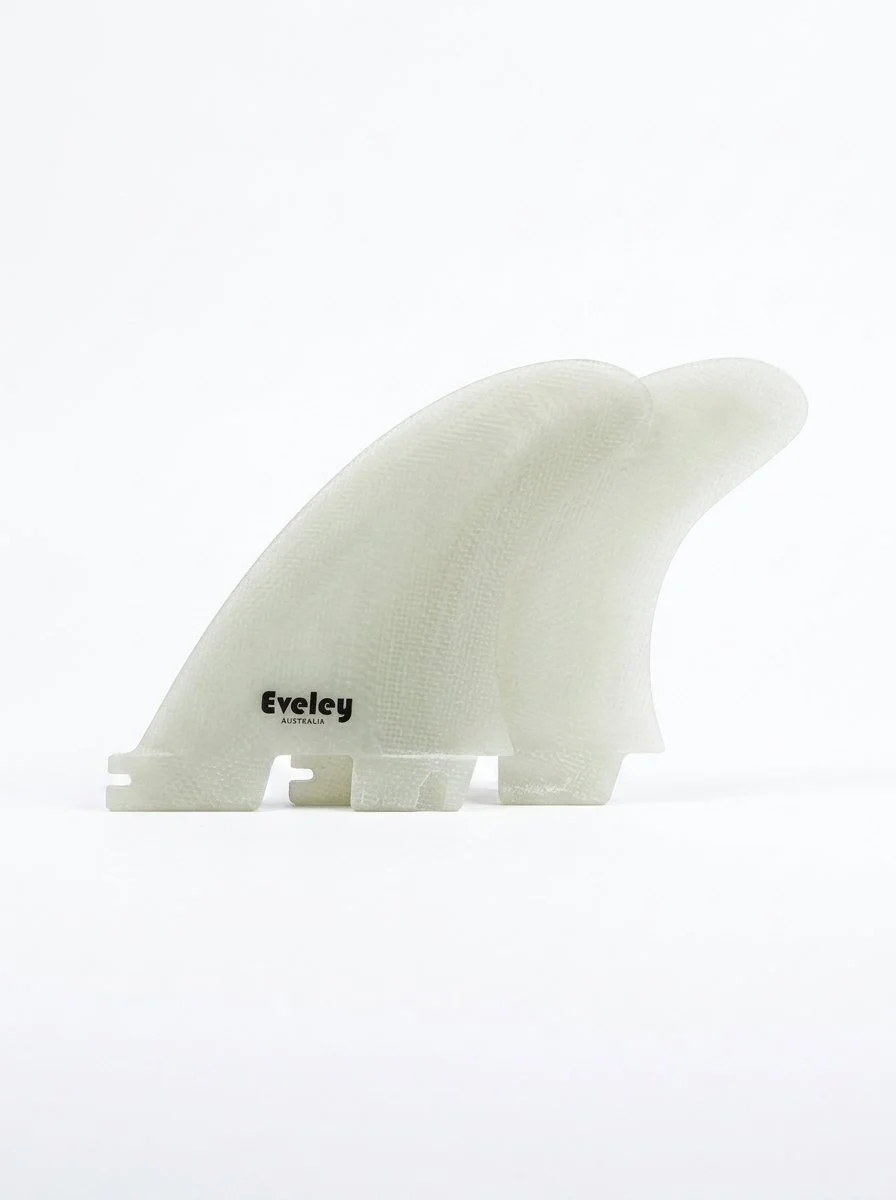
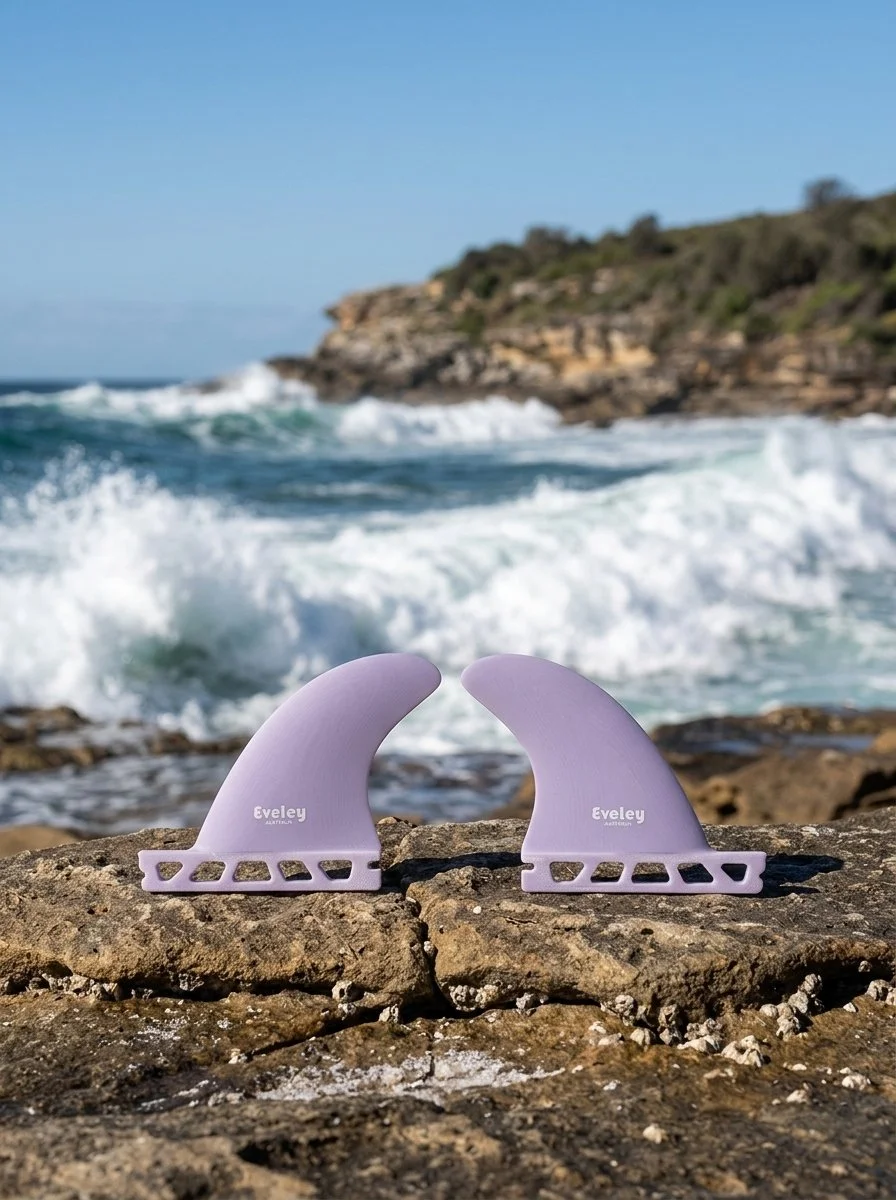
Two smaller side fins near the rails. Example: 3.6" Classic Side Surfboard Fins – Mid Blue Pro Glass
The side fins are fitted into Futures fin boxes, or FCS or FCSII fin plugs. These systems are not interchangeable.
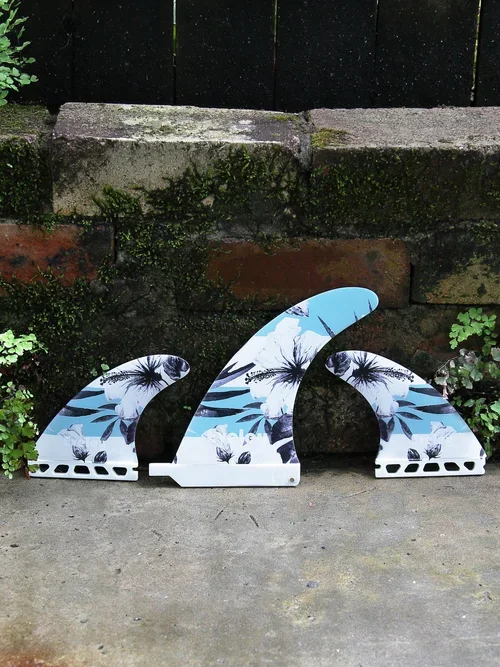
Find all the Eveley Side Fins here.
This is the most versatile modern longboard arrangement.
Performance characteristics
Compared with a single fin, a 2+1 provides:
Increased turning response
Greater drive through bottom turns
More control in steeper waves
Reduced reliance on perfect trim
At the same time, it still preserves:
Reasonable glide
Noseriding capability
Smooth rail engagement
This balance explains why 2+1 setups dominate all-round longboarding.
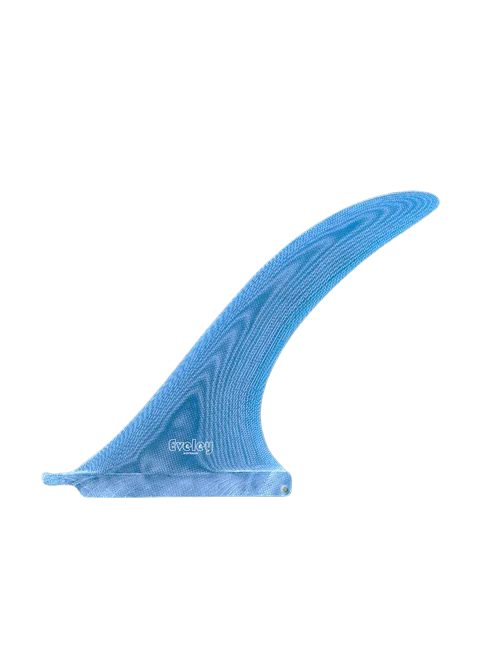
7" International 4A Center Fin — Blue on White Pro Glass
Performance Longboard Fin Arrangements
Performance longboards push closer toward shortboard-style manoeuvrability while keeping longboard paddle power.
These boards often use:
Smaller center fins
More upright templates
Side fins with stronger base drive
Resulting feel
A performance fin arrangement produces:
Faster direction changes
Tighter top-turn arcs
Increased projection in critical sections
However, this comes with trade-offs:
Reduced trim glide
Less stable noseriding
Greater sensitivity to placement errors
Because of this, performance setups suit surfers prioritising:
turning and speed over traditional flow.
Choosing the Right Setup for Your Waves
Small, clean point waves
Best choice:
Single fin
Why:
Emphasises glide and trim
Maximises wave-face speed
Supports classic styling
10" International 4A Center Fin
(all-round longboard fin template)
10.5"+ Logger
(noseride longboard fin)
Beach breaks and steeper peaks
Best choice:
2+1 with responsive side fins
Why:
Added control in drops
Stronger bottom-turn drive
Better hold through sections
High-performance longboarding
Best choice:
Performance-oriented 2+1
Why:
Enables vertical surfing
Improves acceleration
Matches progressive technique
Center Fin Size Guidelines
Although templates vary, general sizing rules help narrow choices.
Logs and traditional noseriders
Larger center fins
Prioritise hold and trim
All-round longboards
Medium center fins
Balance turning and stability
Performance longboards
Smaller, more upright fins
Emphasise manoeuvrability
Correct sizing ensures the board feels:
controlled rather than stiff, responsive rather than loose.
Fine-Tuning Through Placement
Even the correct fin can feel wrong if positioned poorly.
Practical adjustment method
Start with the fin mid-box
If the board feels stiff → move slightly forward
If the board slides or lacks hold → move slightly back
Adjust in 5–10 mm increments only
This measured approach prevents over-correction and reveals the board’s natural balance point.
Common Longboard Fin Mistakes
Oversizing the center fin
Creates:
Slow turning
Excess drag
Reduced responsiveness
Ignoring placement adjustments
Many surfers never move the fin, missing:
Significant performance gains
Better noseride control
Improved turning feel
Using performance fins in traditional logs
Leads to:
Instability
Poor trim
Weak noseriding
Matching template to board design is essential.
How Fin Materials Affect Feel
Most serious longboard surfers prefer solid fiberglass (Pro Glass) construction.
Reasons include:
Predictable flex pattern
Long-term durability
Smooth energy release through turns
Compared with lightweight composites, fiberglass fins provide:
consistent response across a wider range of wave energy.
Recommended Eveley Fins for This Setup
The following Eveley fin templates match the performance characteristics discussed in this guide. Each option is built from solid Pro Glass for consistent flex, durability, and real-world surf reliability.
10" California Dreaming Center Fin
Classic swept template designed for trim speed, glide, and stable noseriding.
→ Shop 10" California Dreaming Center Fin
8" International 4A Center Fin
Balanced all-round template blending smooth turning with dependable hold.
→ Shop 8" International 4A Center Fin
3.6" Classic Side Fins (Pair)
Supportive side bites adding control and drive to versatile 2+1 setups.
→ Shop 3.6" Classic Side Fins (Pair)
Explore the full Eveley fin range to fine-tune your board’s feel, speed, and control across different wave conditions.
FAQ’s
Is a single fin better for noseriding?
Yes.
Single fins provide the cleanest water flow and strongest hold, making stable noseriding significantly easier than multi-fin setups.
Can I convert any longboard to a 2+1?
Only boards with side fin boxes installed can use a 2+1 configuration.
Single-box traditional logs remain limited to center-fin setups.
Does moving the center fin really make a difference?
Yes.
Even small placement changes noticeably alter turning radius, hold, and trim speed.
Conclusion
Longboard fin configuration is not merely a technical detail—it is the core control system shaping how the board trims, turns, and holds the wave.
Single fins deliver timeless glide and stability
2+1 setups provide the broadest real-world versatility
Performance arrangements unlock modern manoeuvrability
By selecting the correct template, size, and placement, surfers can transform the feel of a longboard without changing the board itself.
Understanding these relationships is the key to achieving true longboard flow, control, and speed across changing wave conditions.
→ Twin Fin vs Thruster — Speed vs Control
→ Quad vs Thruster — Which Is Faster?