
Best Longboard Fin for Noseriding
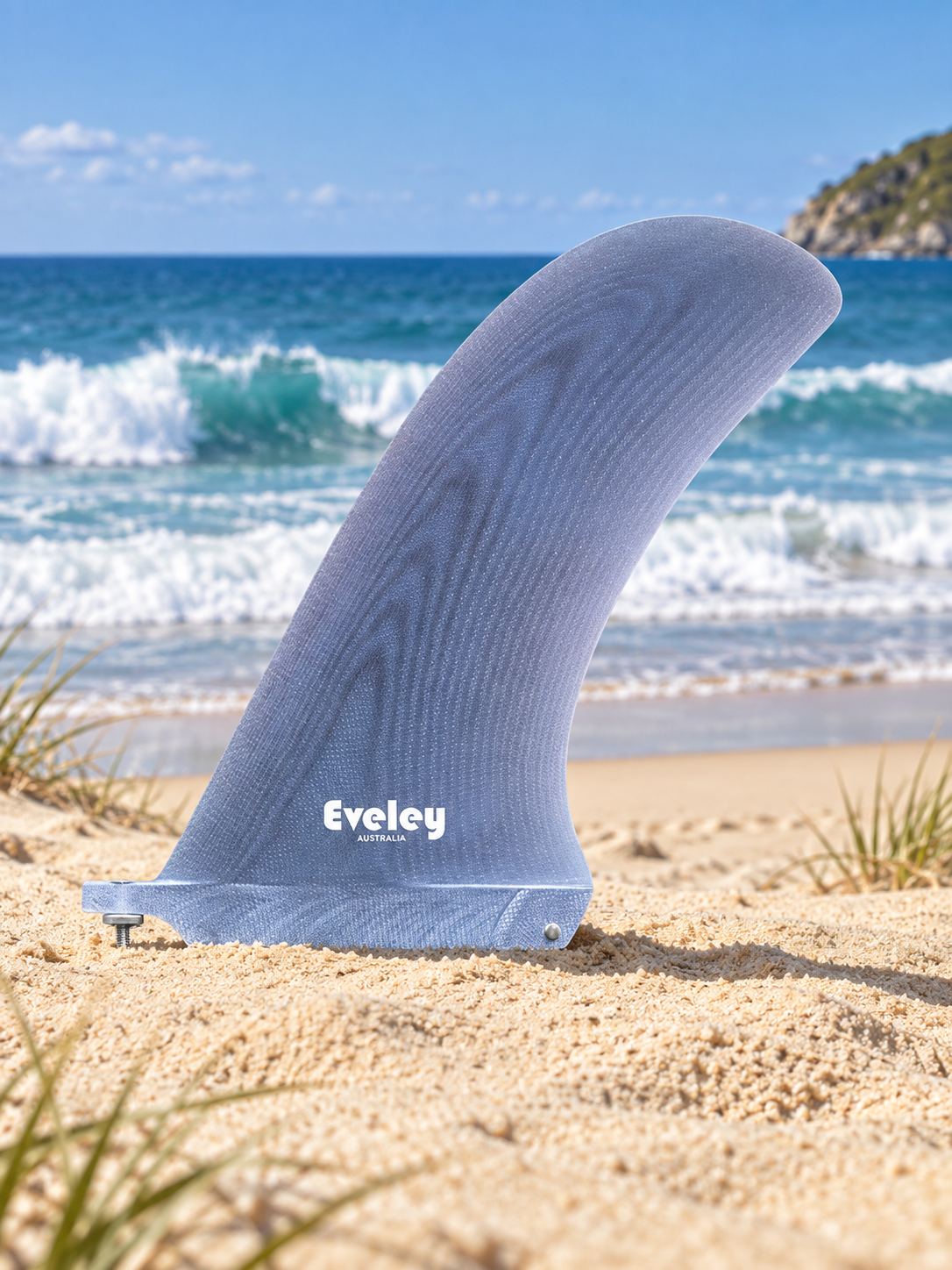
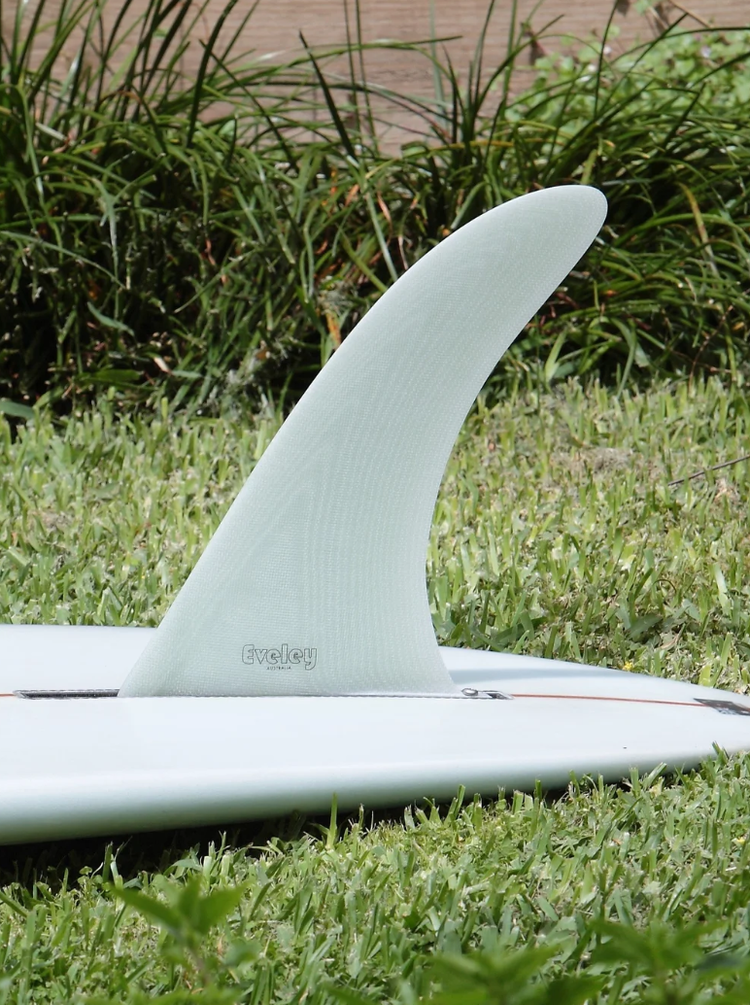
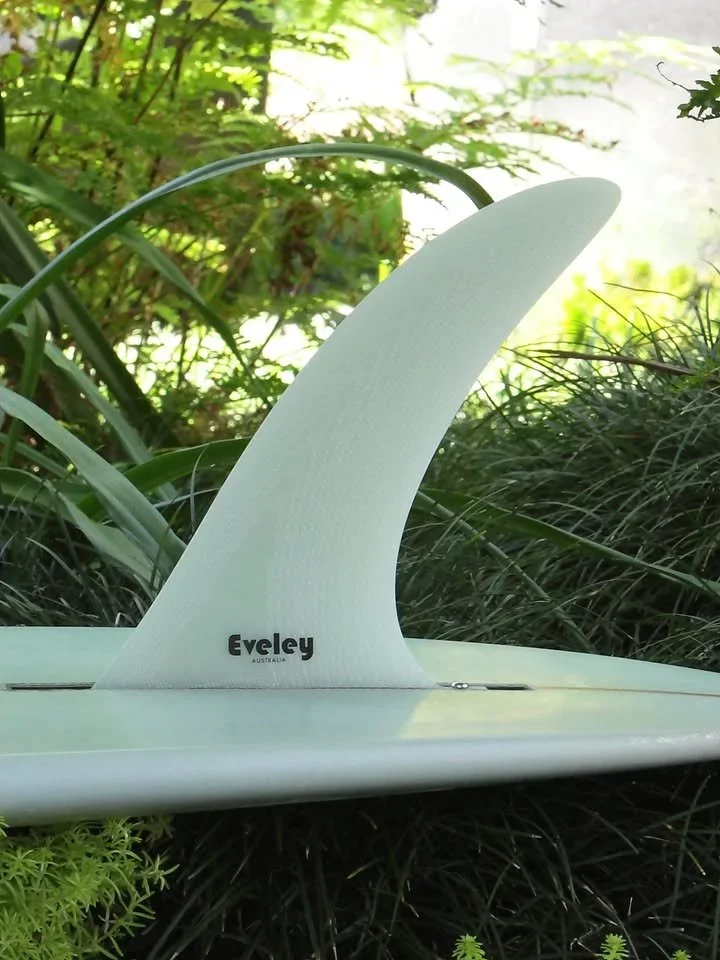
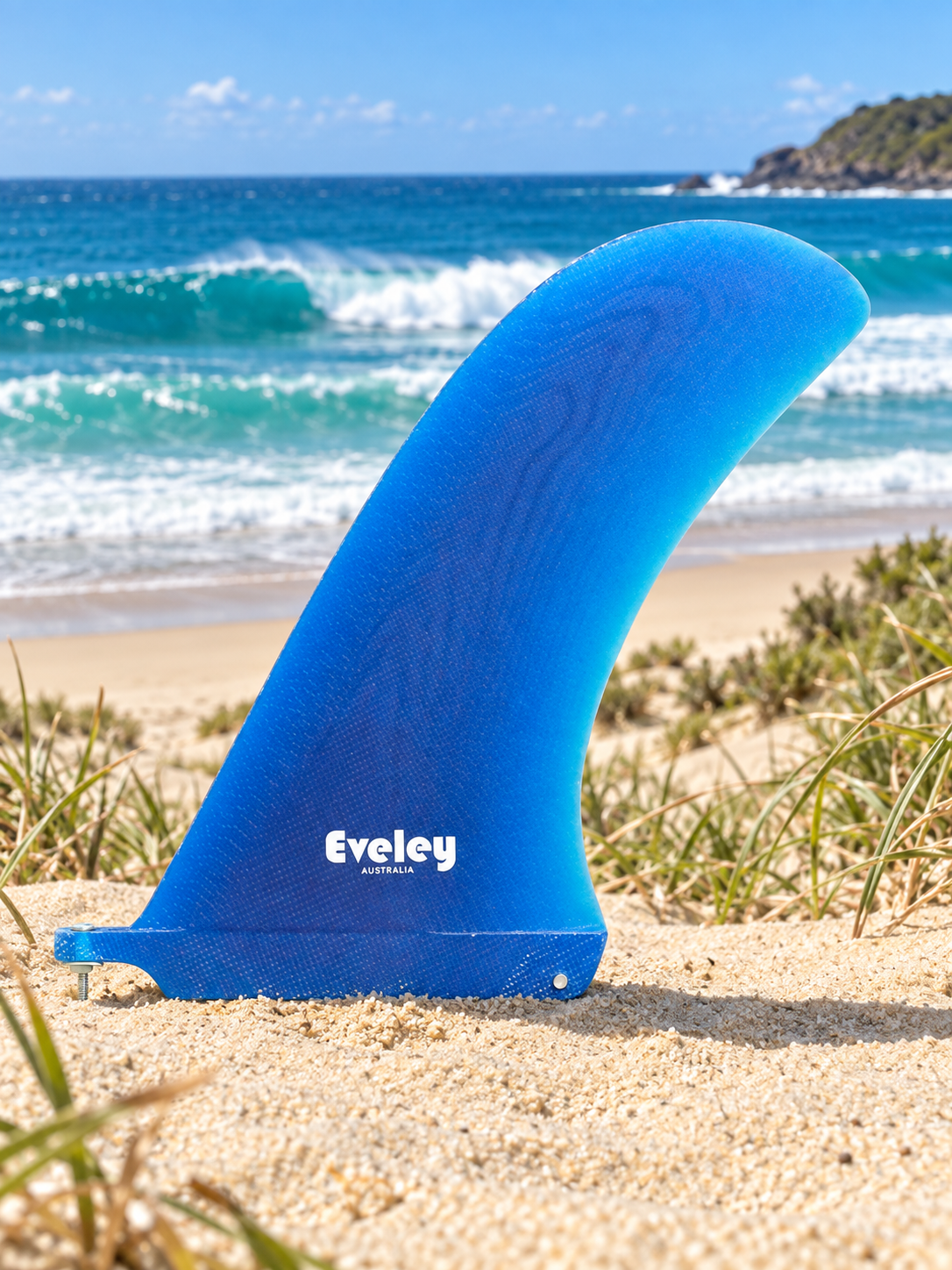
9.25″ Santa Monica Noserider Surfboard Fin – Old Blue Pro Glass | Eveley Fins
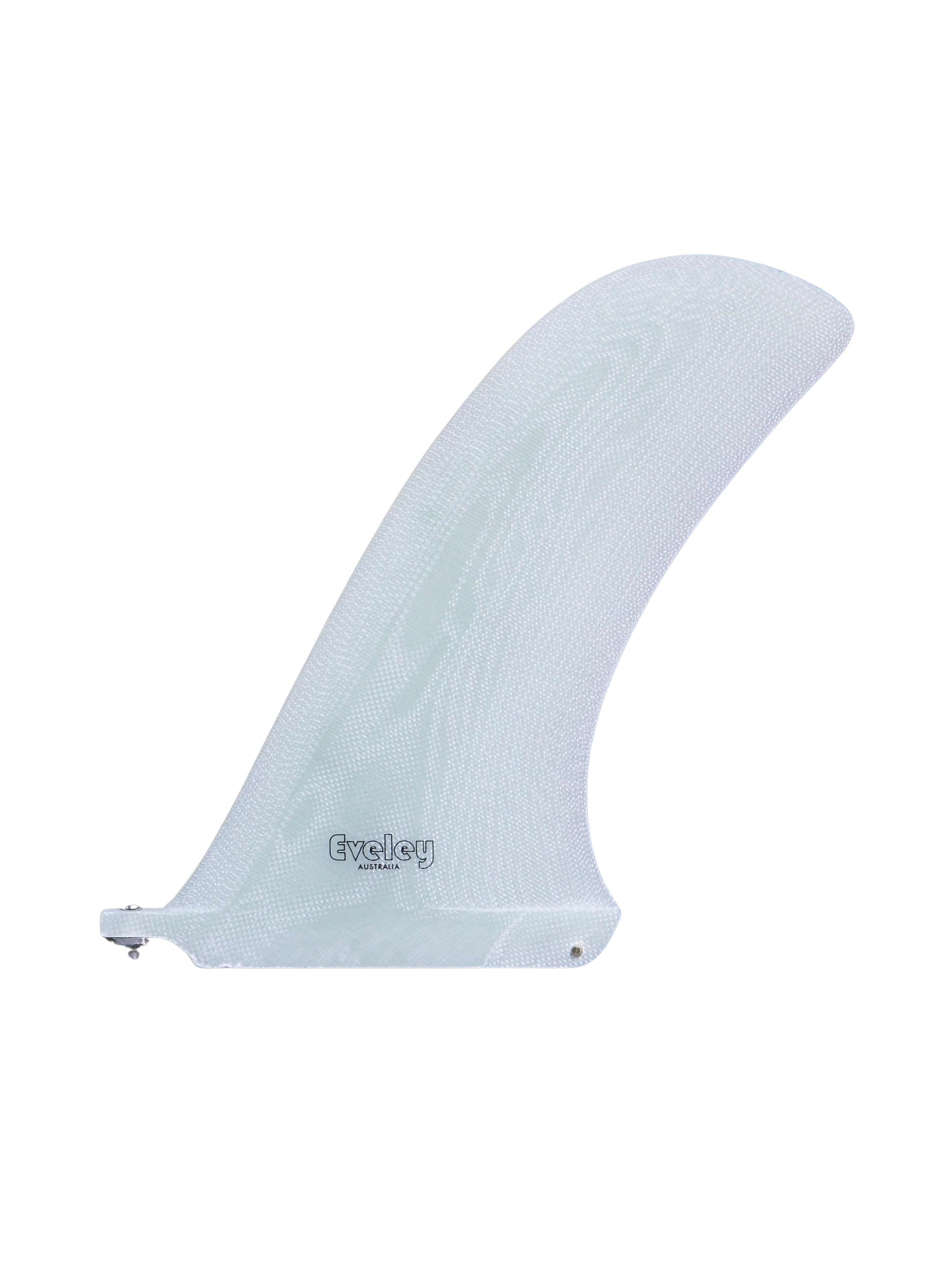
Complete Guide to Hold, Lift, and Classic Trim
New to surfboard fins? Start with the complete Surfboard Fin Guides overview.
Finding the best longboard fin for noseriding is one of the most important decisions a traditional surfer can make.
While board shape, rocker, and rail design all influence tip time, the center fin controls stability, lift, and hold when you step to the nose.
The right fin:
Anchors the tail in the pocket
Prevents side-slip at slow speeds
Maintains smooth trim while perched forward
This guide explains exactly which fin shapes work for noseriding, why they work, and how to choose the perfect size and template for your board and waves.
What Makes a Fin Good for Noseriding?
1. Surface Area Creates Hold
Noseriding requires the tail to stay locked in the wave face.
Large fins with more area and deeper depth increase resistance and prevent drift.
Key takeaway:
More area = more hold = longer nose time.
2. Upright Templates Increase Stability
Classic noserider fins are:
Tall
Wide-based
Relatively upright (less rake)
This geometry keeps the board tracking straight and stable while walking forward.
Highly raked fins may feel fast, but they:
Create pivot resistance
Allow tail slide
Shorten nose rides
3. Foil and Flex Matter
Traditional fiberglass (like Pro Glass Volan) provides:
Smooth, predictable flex
Controlled rebound through trim
Better connection to the wave face
Overly stiff fins can feel tracky, while soft plastic fins lack hold.
Classic Fin Templates for Noseriding
Santa Monica Fin
Recognisable by its square tip and massive area, it is the most specialised noseriding fin.
Strengths
Maximum tail lock
Exceptional hold in steep pockets
Longest possible nose rides
Limitations
Slower turning
Less versatile in weak waves
Best for:
Dedicated noseriders and steep, peeling waves.
Classic Longboard Fin
A dependable, do-it-all single fin that just works.
Not a specialised logger.
Not a tight pivot-only template.
Not an ultra-performance design.
The 10" classic longboard fin sits right in the middle — delivering:
Reliable tail hold
Smooth carving turns
Clean trim speed
Moderate noseriding stability
10" Classic Longboard Fin – Why It’s Still the Safest All-Round Choice
Pivot Center Fin
The 10" Pivot Center Fin in Volan Pro Glass delivers dependable longboard control built around a traditional upright template.
Designed for surfers who value smooth trim, predictable turning, and steady tail hold, this fin offers a balanced performance profile suited to everyday longboarding.
The pivot template features a wide base and upright outline, promoting strong tail anchoring while allowing controlled, flowing turns. At 10 inches, it provides sufficient surface area for moderate noseriding without sacrificing versatility across varied surf conditions.
Constructed from premium Volan Pro Glass, the fin offers smooth, progressive flex with a dampened, stable feel in real surf. The result is clean rail engagement, reliable pocket hold, and classic longboard glide.
This is a refined everyday center fin for traditional logs and performance longboards seeking balanced stability and flow.
Logger Center Fin
Maximum hold and classic trim for dedicated noseriding—built in traditional Volan Pro Glass for smooth, powerful control.
The 10.5" Eveley Logger Center Fin is designed for surfers chasing true traditional noseriding performance.
With a deep, full template and extended base, this fin anchors the tail securely in the pocket, allowing confident walks to the nose and long, controlled tip time.
Constructed from premium Volan Pro Glass, the flex pattern is smooth and progressive—delivering dependable hold at low speeds while maintaining fluid trim through clean sections.
The larger 10.5" size provides maximum stability and lift, making it ideal for classic heavy longboards and dedicated noseriders surfed in clean, peeling waves.
This is a purpose-built fin for surfers who value authentic log performance, glide, and timeless flow.
The Flex Noserider Fin
Some fins blend upright area with subtle flex to create:
Lift at low speed
Smooth projection when trimming
Easier rail-to-rail transitions
These suit surfers who mix:
Walking
Trimming
Smooth cutbacks
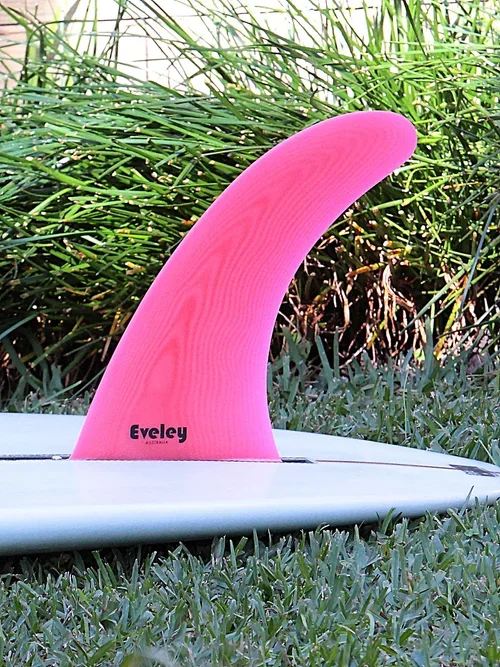
9.5" Flex Center Fin in cream on cerise Pro Glass.
Choosing the Right Fin Size
General Rule
For noseriding:
Bigger is better — within reason.
Typical sizing:
9"–9.5" → performance longboards, lighter surfers
9.5"–10" → classic all-round noseriding
10"+ → heavy boards, serious tip riding
If unsure:
Choose the larger option for better hold.
Fin Placement for Maximum Nose Time
Moving the fin:
Back in the box → more hold, longer nose rides
Forward in the box → easier turning, less stability
Noseriding setup rule:
Start near the back and adjust forward slightly if turning feels stiff.
Wave Type and Fin Choice
Small, weak waves
Use:
Larger fin
Upright template
More surface area
This maintains lift at slow speed.
Clean point waves
You can ride:
4A-style fins
Slightly smaller sizes
Because the wave provides natural hold.
Steep pocket noseriding
Choose:
Santa Monica or large pivot fin
Maximum depth and base
For total tail control in the curl.
Common Mistakes When Choosing a Noseriding Fin
Too small
→ Causes side-slip and short nose rides.
Too much rake
→ Feels fast but unstable on the tip.
Cheap plastic construction
→ Lacks control and hold.
Best Eveley Fin Styles for Noseriding
Ideal Eveley options include:
9"–10" Santa Monica center fins for strong hold
Large pivot fins for classic trim and stability
Traditional fiberglass construction for firm response
These designs match the core physics of successful noseriding.
FAQ: Best Longboard Fin for Noseriding
What size fin is best for noseriding?
Most surfers achieve the best results with 9.5" to 10" center fins.
Are Santa Monica fins better than 4A fins?
Santa Monicas provide maximum hold, while 4A fins offer better turning balance.
Should beginners use a larger fin?
Yes. Larger fins increase stability and confidence when learning to nose ride.
Conclusion
The best longboard fin for noseriding is one that maximises:
Tail hold
Upright stability
Smooth fiberglass flex
Here are some excellent Noserider fins from the Eveley Range:
shop the 10" Pivot Center Fin, Volan Pro Glass here.
shop the 10" Santa Monica Center Fin here.
shop the 10" Classic Center Fin here.