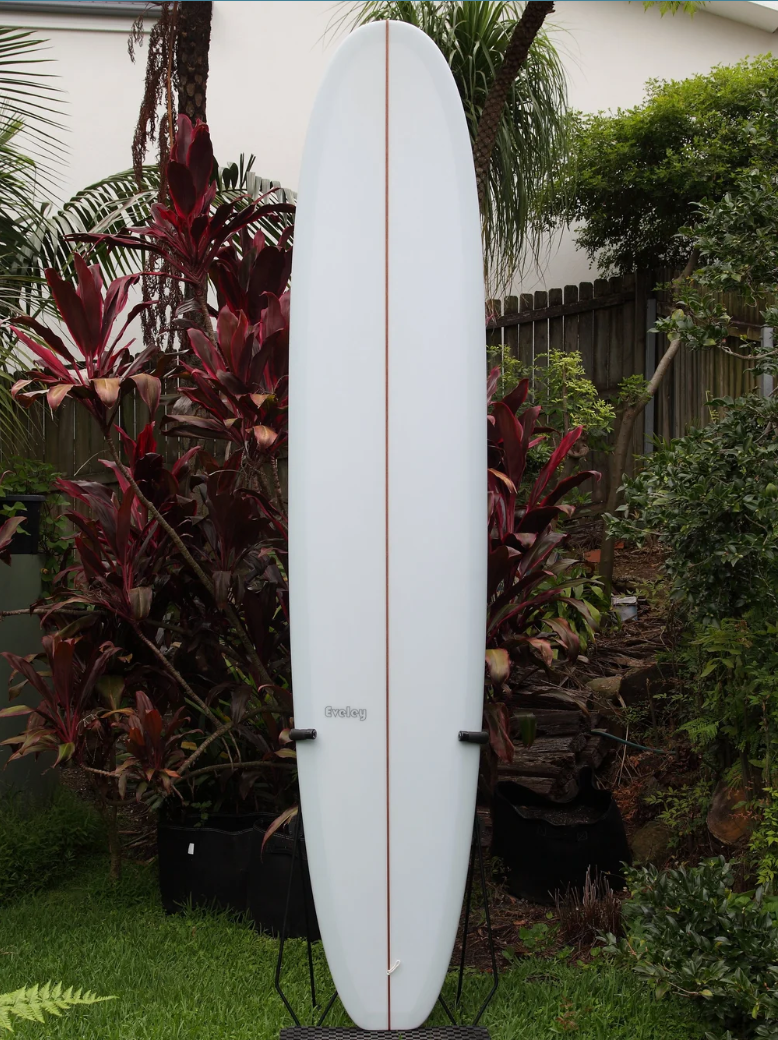
Noosa Festival of Surfing 2026
A Celebration of Surfing Culture, Equipment and Style
Every March the point breaks of Noosa Heads become the centre of the longboarding world. The 2026 Noosa Festival of Surfing, running 13–22 March at First Point in Laguna Bay, marks the event’s 35th year, continuing a tradition that blends competition, surf culture, and community in one of the most iconic longboard waves on the planet.
What began in the early 1990s as a small Malibu-style contest organised by the Noosa Malibu Club has grown into the largest surfing festival of its kind, attracting professional competitors, rising talents, and everyday surfers from around the world.
For surfers and equipment enthusiasts alike, the Festival is a living showcase of surfboard design — from classic single-fin loggers to high-performance longboards and retro twin fins.
A Festival Built Around Surfboard Diversity
Unlike many surf contests that focus on a single performance format, the Noosa Festival celebrates multiple styles of surfing and board design. This approach reflects Noosa’s famous long right-hand point break, which rewards flow, trim, and style as much as manoeuvres.
Across the week-long competition schedule, several distinct board categories are showcased.
Logger Pro
The Logger Pro divisions represent the traditional heart of Noosa surfing. Competitors ride classic longboards — often around 9’0″–10’0″ single fins — emphasising smooth trimming, cross-stepping and noseriding.
Logger-style surfing prioritises:
Flow and rail engagement
Long nose rides
Classic turns and drop-knee style
These divisions often attract surfers deeply connected to traditional surf culture and craftsmanship.
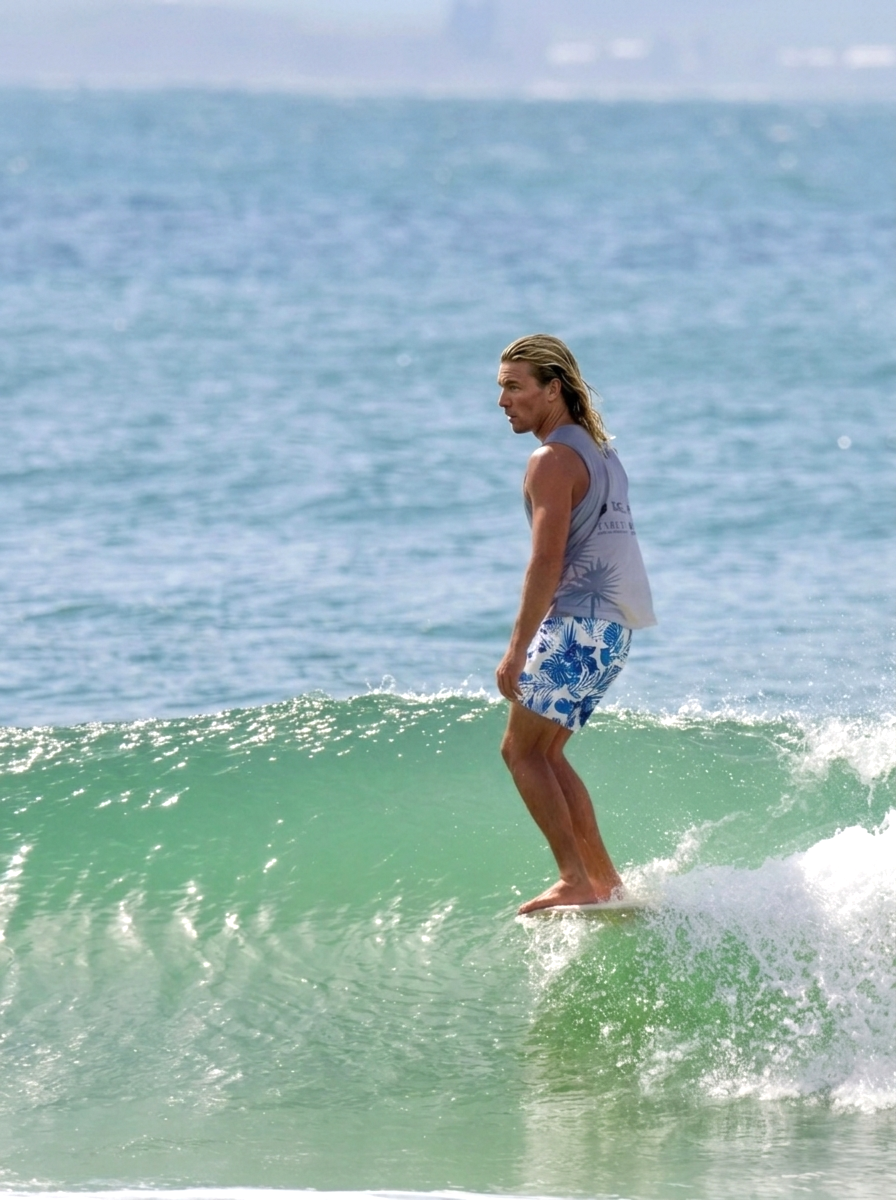
HPFC Longboard (High Performance Fin Control)
The HPFC Longboard division introduces a very different approach.
“HPFC” generally refers to High Performance Fin Control longboarding, where surfers ride lighter, more progressive longboards designed for aggressive manoeuvres and tighter turns.
Typical characteristics include:
2+1 or thruster fin setups
Narrower outlines and thinner rails
Faster top-to-bottom surfing
These boards allow surfers to perform:
Re-entries
Tail slides
Critical pocket turns
At Noosa, the HPFC division demonstrates how modern longboarding continues to evolve beyond classic trim surfing.
Twin Fin Division
The Festival also celebrates the retro twin fin revival.
This division requires surfers to ride pre-1985 style twin fins, bringing back the loose, fast feeling that defined surfing in the late 1970s and early 1980s.
Twin fins emphasise:
Speed down the line
Smooth carving arcs
Flow rather than pivot
Watching these boards at Noosa’s long point walls is a reminder that design experimentation has always been central to surfing progression.
Old Mal Division
One of the most nostalgic parts of the festival is the Old Mal division, where surfers ride genuine vintage longboards.
These boards often feature:
Heavy glass jobs
Full rails
Single fins
1960s outlines
The result is a beautiful display of traditional surfing style that honours the roots of the sport.
Juniors and Age Divisions
The festival also includes:
Junior divisions
Senior and masters categories
Team challenges
Family divisions
This inclusive structure allows surfers of all ages to participate and contributes to the festival’s relaxed, community atmosphere.
The WSL Noosa Longboard Pro (LQS)
Running alongside the festival is one of the most important professional events in the region:
The Noosa Longboard Pro – part of the World Surf League Longboard Qualifying Series (LQS).
This elite competition attracts top longboarders from Australia and across the Asia-Pacific region. The event is expected to begin around 19 March, depending on surf conditions.
The LQS plays a crucial role in professional surfing because it:
awards points toward the WSL Longboard Tour qualification
showcases emerging talent
connects the grassroots longboard scene with the global professional circuit
For spectators, it creates a fascinating contrast between festival-style surfing and elite high-performance competition.
Surfers to Watch in 2026
Kai Ellice-Flint
One of the headline competitors at the 2026 Festival is Kai Ellice-Flint, the 2025 World Longboard Champion. His presence alone raises the competitive level of the event and highlights Noosa’s importance on the longboard calendar.
Ellice-Flint represents a modern generation of longboarders capable of blending traditional style with high-performance manoeuvres.
Emerging Talent
Events like the Noosa Festival often reveal the next generation of longboard stars.
Young surfers entering through the Junior divisions and LQS pathway are beginning to redefine the boundaries of longboard performance with:
progressive rail surfing
dynamic pocket turns
extended nose rides in critical sections
Many of today’s world-tour longboarders first gained recognition at festivals like Noosa.
Why Noosa Matters in Surf Culture
Few surf competitions capture the spirit of surfing quite like this one.
Several factors make Noosa unique:
The Wave
Noosa’s First Point is one of the world’s most perfect longboard waves — a long, peeling right-hander ideal for trimming and noseriding.
The Format
Rather than focusing solely on elite professionals, the festival celebrates every style of surfing, from beginners to world champions.
The Atmosphere
Beyond competition, the festival includes:
art exhibitions
surf photography shows
community events
live music and beach bar gatherings
All of this contributes to an event that feels more like a surf culture gathering than a conventional contest.
A Living Museum of Surfboard Design
For surfboard enthusiasts, the Noosa Festival of Surfing is essentially a moving exhibition of surfboard evolution.
Across a single week you can watch surfers ride:
classic heavy loggers
progressive HP longboards
retro twin fins
vintage Old Mal boards
Each division demonstrates how different board designs create completely different styles of surfing.
The Eveley View
Events like the Noosa Festival remind us that surfboard fins and board design shape surfing itself.
From the single-fin control of a classic logger to the drive of a modern 2+1 setup or the speed of twin fins, the festival highlights how equipment influences style.
For surfers, shapers and designers alike, Noosa is more than a contest.
It’s a celebration of surfing’s past, present and future — all unfolding along the same perfect point break.
✅ Eveley Tip:
If you’re watching the Festival closely, pay attention to the fin setups surfers choose in each division. The difference between a classic single fin, a twin fin, or a modern 2+1 longboard setup can completely change how a board performs on Noosa’s famous walls.
Surfers to Watch at the Noosa Festival of Surfing 2026
The Noosa Festival has always been a fascinating mix of world champions, established stylists, and emerging talents. With divisions ranging from classic loggers to progressive longboards and the WSL Longboard Qualifying Series (LQS) event, the 2026 festival again brings together surfers who represent the full spectrum of modern longboarding.
Below are several competitors worth watching throughout the week at First Point.
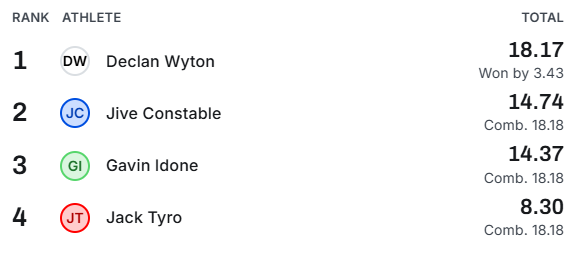
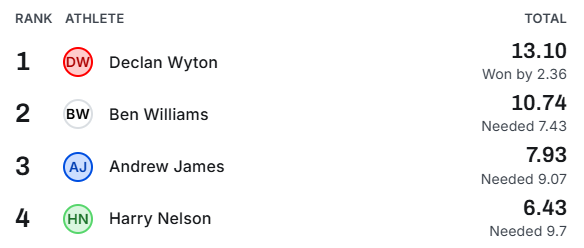
Declan Wyton
One of Australia’s most respected longboarders, Declan Wyton combines classic style with strong competitive instincts. His surfing blends long nose rides with controlled rail turns, making him extremely well suited to Noosa’s long walls. Wyton has spent years competing at elite level events and remains a consistent performer whenever conditions favour smooth, stylish surfing.
Jack Tyro
New Zealand surfer Jack Tyro has built a strong reputation around the Sunshine Coast for his powerful, flowing longboard style. He understands the nuances of Noosa’s points better than most competitors and often excels when conditions require precise positioning and patience on the wave.
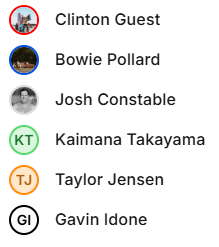
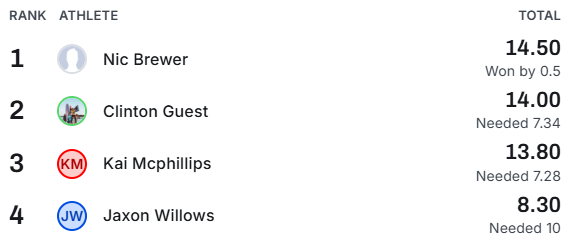
Clinton Guest
Australian Clinton Guest remains one of the most polished stylists in competitive longboarding. His surfing reflects traditional longboard values — trim, flow, and impeccable timing on the nose. When the waves line up cleanly at First Point, Guest is always capable of delivering standout performances.
Gavin Idone
American longboarder Gavin Idone represents the modern revival of classic logging. His approach is heavily influenced by traditional Malibu style surfing, with long controlled nose rides and elegant drop-knee turns. Idone’s presence in events like Noosa reinforces the festival’s reputation as a gathering place for surfers who celebrate the roots of the sport.
Matt Chojnacki
Another prominent stylist, Matt Chojnacki is widely recognised for his smooth, timeless surfing. His technique emphasises effortless trim and long noserides, often making difficult manoeuvres look deceptively easy. Chojnacki’s approach perfectly suits the flowing character of Noosa’s waves.
Archy Bemrose
A standout talent, Archy Bemrose represents the new generation of competitive longboarders. His surfing blends strong traditional fundamentals with progressive manoeuvres, making him particularly dangerous in modern longboard formats and LQS competition.
Kaimana Takayama
American surfer Kaimana Takayama brings a powerful, confident approach shaped by the waves of Waikiki and Oahu’s south shore. His surfing often combines aggressive turns with excellent nose riding, making him a strong contender whenever the surf becomes more critical.
Ben Considine
Australian Ben Considine is one of the most successful competitive longboarders of the past decade. Known for his explosive turns and progressive style, Considine helped push performance longboarding forward. In divisions where power and manoeuvres count heavily, he remains a serious threat.
Jesse Tabell
Hailing from Sydney, Australia, Jesse Tabell has developed a reputation as one of the most stylish surfers in logging circles. His surfing emphasizes grace, rhythm and raw aggression, which often resonates strongly with judges in longboard divisions. Jesse chooses to use Eveley boards and surfboard fins.
Women’s Longboarding Standouts
The women’s divisions at Noosa continue to grow in both depth and talent, featuring several surfers who have already made their mark on the international stage.
Honolua Blomfield
One of the most accomplished longboarders of her generation, Honolua Blomfield is a multiple-time world longboard champion. Her surfing combines flawless traditional technique with modern performance manoeuvres, making her a favourite in almost any longboard format.
Star D’Elia
American surfer Star D’Elia’s style balances progressive manoeuvres with elegant nose riding, making her ideally suited to waves like Noosa’s long, peeling points.
Kirra Molnar
Another exciting Australian talent, Kirra Molnar is known for her dynamic approach to modern longboarding. Her ability to generate speed and perform critical turns gives her a competitive edge in high-performance longboard divisions.
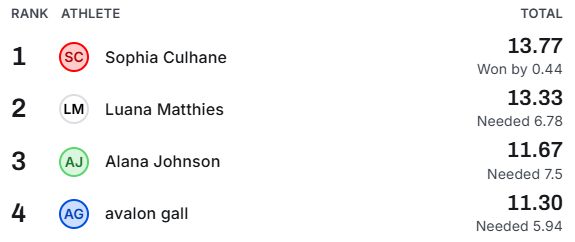
Sophia Culhane
Hawaiian surfer Sophia Culhane represents the strength of the longboard scene. Growing up surfing point breaks, she is extremely comfortable in the kind of conditions that often appear during the festival.
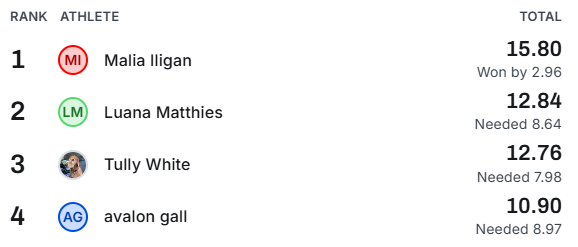
Avalon Gall
Young American surfer Avalon Gall has been steadily gaining recognition through junior and longboard events. Her smooth style and confident approach suggest she will be a strong contender in professional competitions.
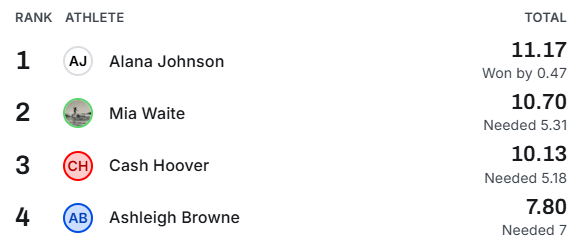
Alana Johnson
Hawaiian competitor Alana Johnson brings powerful rail surfing and excellent wave selection to longboard competition. Surfers from Hawaii often feel comfortable at Noosa due to the similarities between the points of Queensland and Waikiki.
Mia Waite
Australian longboarder Mia Waite is known for her clean lines and traditional longboard approach. Her ability to hold extended nose rides often makes her stand out in logger-style divisions.
Tully White
Emerging talent Tully White represents the next wave of Australian longboarders pushing through the competitive ranks. With strong fundamentals and improving competitive experience, surfers like White highlight the bright future of the sport.
A Unique Mix of Generations
One of the defining features of the Noosa Festival of Surfing is the way it brings together multiple generations of surfers.
At any given moment in the lineup you might see:
former world champions
respected longboard stylists
young competitors chasing their first major result
All surfing the same long point break.
That mix of experience, style, and emerging talent is exactly what makes the Noosa Festival such a special event — and why it continues to be one of the most anticipated gatherings in the global longboarding calendar.
The Noosa Longboard Pro – WSL LQS1000
Running alongside the community divisions of the festival is one of the most important professional contests of the week: The Noosa Longboard Pro, a World Surf League Longboard Qualifying Series (LQS1000) event.
While the broader Festival celebrates surfing culture and style across many divisions, the LQS event introduces high-stakes professional competition. Surfers are competing for ranking points that can help them progress toward qualification for the WSL Longboard Tour, the pinnacle of professional longboard surfing.
At Noosa’s long, flowing right-hand point breaks, competitors must balance traditional longboard flow with modern high-performance manoeuvres — making the event a fascinating contrast to the festival’s classic logging divisions.
Several experienced competitors and emerging talents will be ones to watch in the 2026 event.
Kevin Skvarna
American longboarder Kevin Skvarna is known for a powerful, rail-driven approach that blends traditional trim with modern manoeuvres. Skvarna has competed across numerous international longboard events and brings valuable experience to LQS competition. His ability to link turns through long walls makes him particularly suited to the long, peeling sections of Noosa’s points.
Max Weston
Australian surfer Max Weston represents the depth of talent emerging from the local longboard scene. Familiar with point breaks and longboard-friendly waves, Weston’s style emphasises smooth rail surfing and strong wave positioning. Competing at Noosa gives him the advantage of understanding the subtle rhythm of Queensland’s long point waves.
Taylor Jensen
One of the biggest names in modern longboarding, Taylor Jensen arrives at Noosa with an extraordinary competitive record. A multiple-time world longboard champion, Jensen is known for his explosive power surfing, combining aggressive turns with exceptional nose riding. His presence raises the competitive level of the event and provides younger surfers the chance to compete directly against one of the sport’s most accomplished athletes.
Bea Conroy
Australian surfer Bea Conroy has steadily built a reputation as a consistent performer in longboard competition. Her surfing combines strong fundamentals with confident manoeuvres, and she has proven capable of performing well in both traditional and modern longboard formats.
Amelie Wink
Emerging New Zealand competitor Amelie Wink represents the next generation of competitive longboarders. With a progressive approach and growing experience in national and regional events, Wink is one of the surfers pushing the sport forward at the grassroots level.
Malia Ilagan
American longboarder Malia Ilagan brings the influence of Waikiki-style longboarding to the contest. Ilagan’s smooth style and confident nose riding make her well suited to the conditions typically seen during the festival.
Luana Matthies
Australian surfer Luana Matthies is another competitor adding depth to the women’s field. Known for her fluid longboard style and competitive style, Matthies will gain valuable experience from this LQS event.
Where Tradition Meets Professional Competition
What makes the Noosa Longboard Pro unique is its setting within the broader Festival of Surfing.
At most surf events the professional contest dominates the schedule. At Noosa, however, the LQS runs alongside classic logging divisions, twin fin competitions, junior events, and community surfing.
The result is a rare environment where:
world champions
elite professionals
traditional stylists
emerging young surfers
are all surfing the same famous point break during the same week.
For spectators and competitors alike, that blend of high-level competition and pure surfing culture is what makes the Noosa Festival of Surfing one of the most distinctive events on the global surf calendar.
Futures™ is a trademark of Futures Fins. Eveley Surf is not affiliated with or endorsed by Futures Fins. All compatibility references to Futures Fins are for descriptive purposes only.
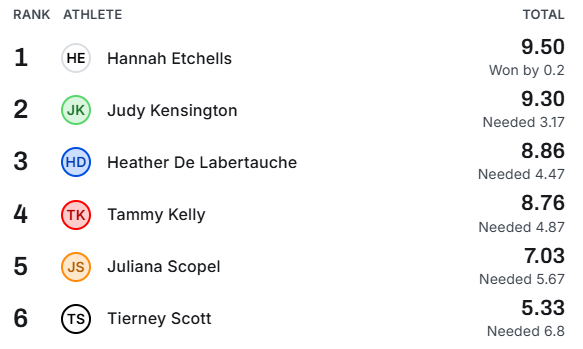
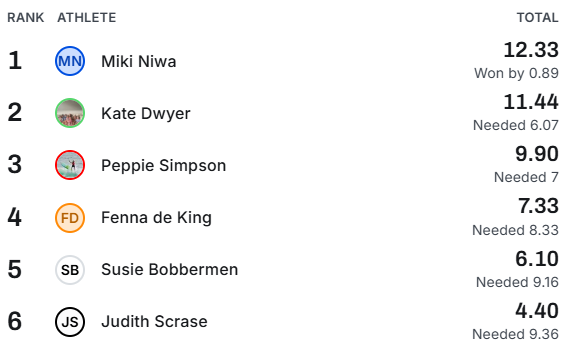
Finalists (in no particular order):
Womens Over 35
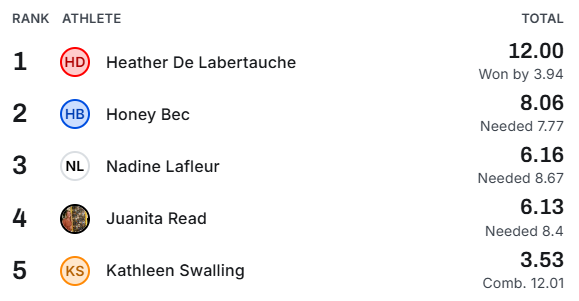

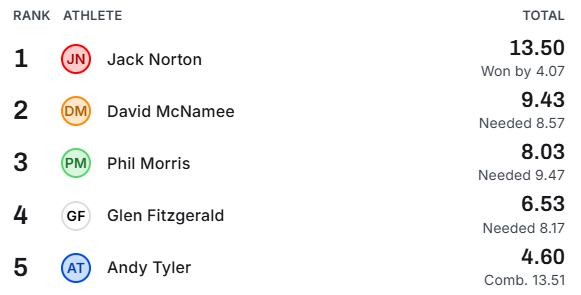
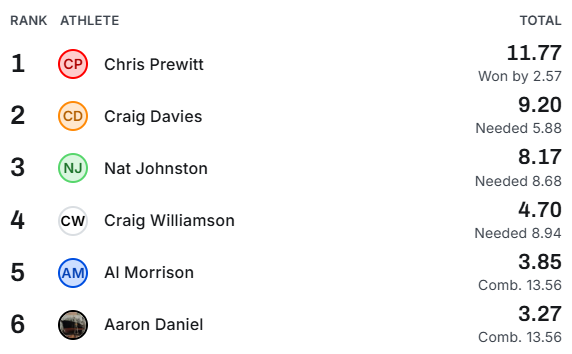
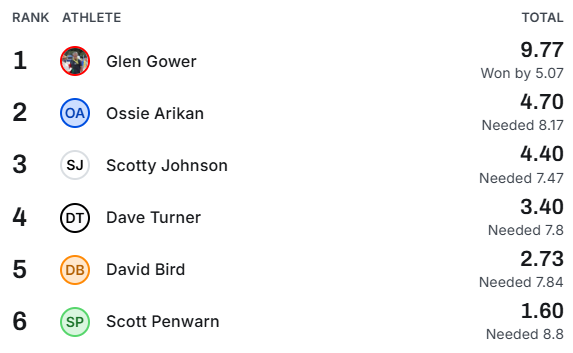
Jesse Tabell
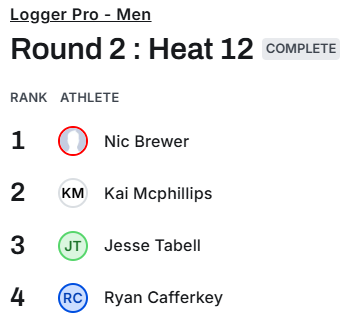
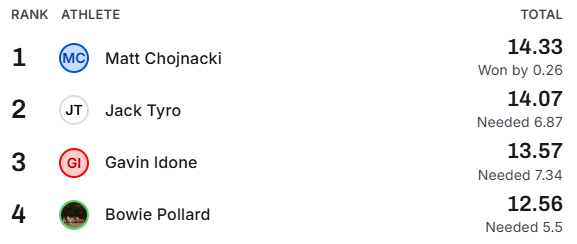
Jesse Tabell gained a very credible third place in round two of the Logger Pro Men riding his Eveley 9’6” ST Noserider. The surfers who came first and second in that heat came first and third in the WSL LQS1000 event.